US jury indicts South Dakota crypto investor on 29 counts over alleged $20 million investor fraud

A South Dakota crypto investor, Benjamin Paul Wiener, has been indicted by a U.S. jury on 29 counts related to an alleged $20 million fraud scheme targeting investors. The indictment, which was announced by the Department of Justice, outlines accusations that Wiener misled investors about the performance and viability of certain cryptocurrency investments. The trial is set to commence on September 15, and it is expected to attract significant attention given the growing scrutiny of fraudulent activities in the cryptocurrency sector.
Understanding the context of this indictment requires a closer look at the current regulatory landscape surrounding cryptocurrencies in the United States. As the popularity of cryptocurrencies has surged, so too has the incidence of fraud and scams targeting investors. Regulators have been ramping up their efforts to combat these illegal activities, leading to increased investigations and prosecutions. This case against Wiener exemplifies the challenges authorities face as they work to protect investors while navigating the rapidly evolving crypto market.
The implications of this case are significant for the broader market. Investor confidence can be easily shaken by high-profile fraud cases, particularly in an industry that has already faced skepticism. If Wiener is found guilty, it could serve as a cautionary tale for potential investors and may lead to calls for stricter regulations. This could impact not just individual investment decisions, but also the way crypto companies operate, as they may need to implement more rigorous compliance measures to avoid similar legal issues.
Industry experts have already begun to weigh in on the case, with many highlighting the need for greater transparency and accountability within the cryptocurrency space. Some believe that this indictment could prompt a shift in how crypto investments are marketed and sold, pushing for clearer guidelines and more thorough vetting processes for investment opportunities. Others caution that while such cases are important for accountability, they should not overshadow the legitimate innovations and advancements occurring within the crypto sector.
Looking ahead, the outcome of this trial could have far-reaching consequences. If Wiener is convicted, it may spark further investigations into other crypto projects that may be operating in a similar manner. Conversely, if he is acquitted, it could raise questions about the adequacy of the evidence presented against him. In either scenario, this case is likely to influence how regulators approach the crypto market moving forward and may catalyze changes in investor behavior as they seek to navigate an increasingly complex landscape.

CoinMagnetic Team
Crypto investors since 2017. We trade with our own money and test every exchange ourselves.
Updated: July 2026
From our insights:
Related news

EBA designates Circle’s USDC as the EU’s first ‘significant’ e-money token
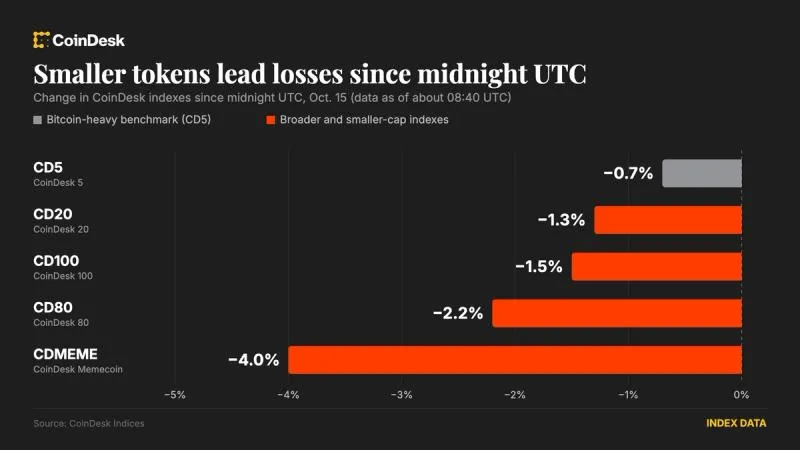
South Korean stock drop pushes bitcoin near $80,000 alongside altcoin losses
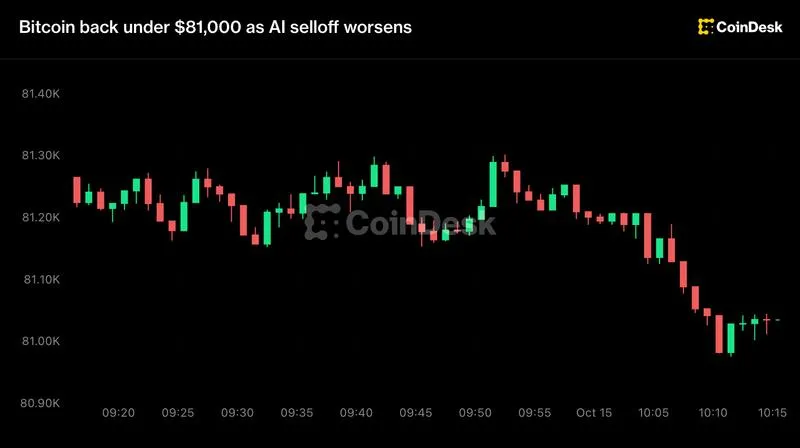
Bitcoin slips beneath $81,000 as September inflation and AI selloff weigh

Hyperliquid founder wants U.S. oversight of trading platforms, not his blockchain

Korean tech sell-off drags bitcoin down to $80,100 following KOSPI drop