US-Iran 60-day ceasefire would keep Bitcoin hostage to macro uncertainty – Do new strikes change that?

Recent reports indicate that the United States and Iran are negotiating a 60-day ceasefire, potentially allowing for a temporary pause in hostilities and the resumption of nuclear talks. According to Nikkei, this ceasefire could lead to the reopening of the strategically vital Strait of Hormuz approximately 30 days after a final agreement is reached. This situation is particularly significant for Bitcoin and the broader cryptocurrency market, as geopolitical tensions often create waves of uncertainty that influence investor sentiment and market volatility.
In the context of the ongoing US-Iran relationship, this ceasefire follows a series of escalations, particularly surrounding Iran's nuclear program and military actions in the region. The early-April ceasefire had provided a brief respite, and the extension could signal a window of stability that investors might find appealing. However, the complex dynamics of international diplomacy mean that any agreement could be fragile, subject to rapid changes depending on actions taken by either side. The potential for renewed hostilities, including military strikes, looms large over the discussions, creating a precarious environment for market participants.
The implications for Bitcoin are considerable. As a digital asset often seen as a hedge against traditional financial systems and geopolitical instability, Bitcoin's price tends to react strongly to macroeconomic uncertainty. If the ceasefire holds and leads to a more stable geopolitical climate, we might see a positive reaction in Bitcoin prices as investors feel more confident. Conversely, any resurgence in conflict or military action could trigger a flight to safety, leading investors to liquidate positions in cryptocurrencies, further amplifying market volatility.
Industry experts have expressed mixed reactions to this development. Some analysts believe that a ceasefire could bolster Bitcoin's standing as a safe haven asset, while others caution that the fragility of such agreements means investors should remain vigilant. The potential for new strikes or escalations could easily reverse any temporary gains, leaving the market in a state of flux. Additionally, the broader context of economic trends and regulatory changes will continue to play a critical role in shaping investor decisions.
Looking ahead, the next few weeks will be crucial in determining the trajectory of both the geopolitical landscape and the cryptocurrency market. If the ceasefire leads to meaningful progress in nuclear talks and a reduction in hostilities, we could see a more stable environment for Bitcoin and other digital assets. However, if tensions escalate or military actions occur, the market may face renewed uncertainty, keeping Bitcoin and its investors in a state of cautious anticipation. As always, staying informed and adaptable will be key for those navigating these turbulent waters.

CoinMagnetic Team
Crypto investors since 2017. We trade with our own money and test every exchange ourselves.
Updated: May 2026
From our insights:
Related news
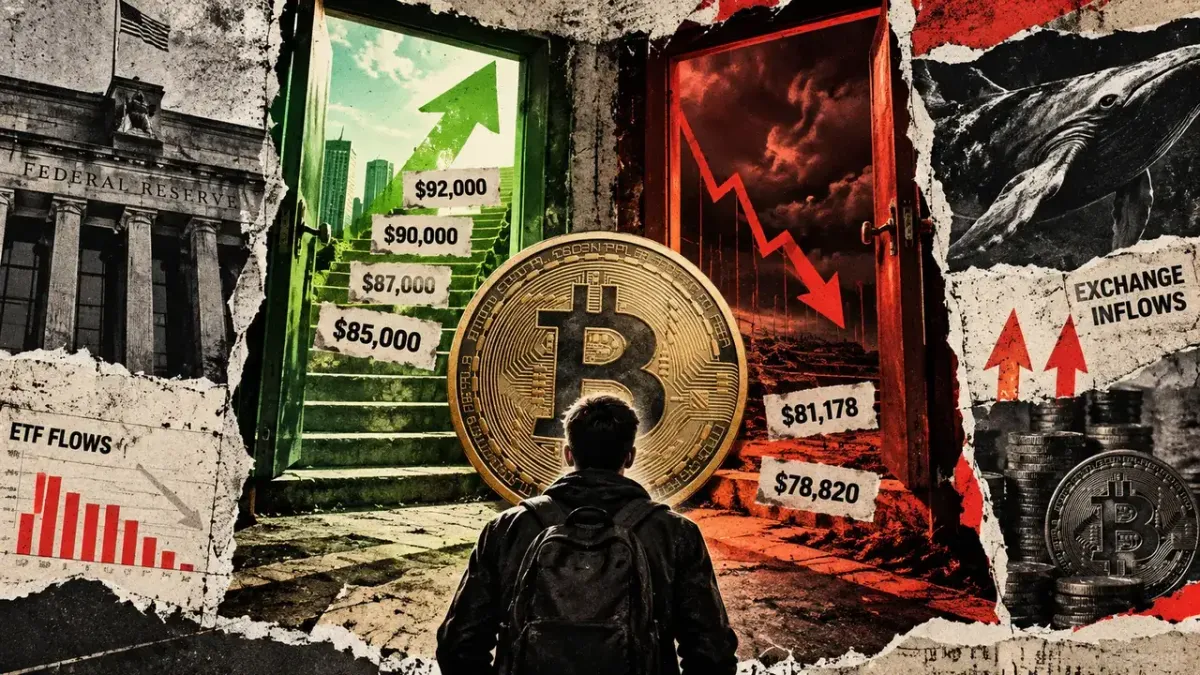
Bitcoin's weekly close above $81,000 signals potential rise to $90,000

Elon Musk's X integrates bitcoin trading options for U.S. users
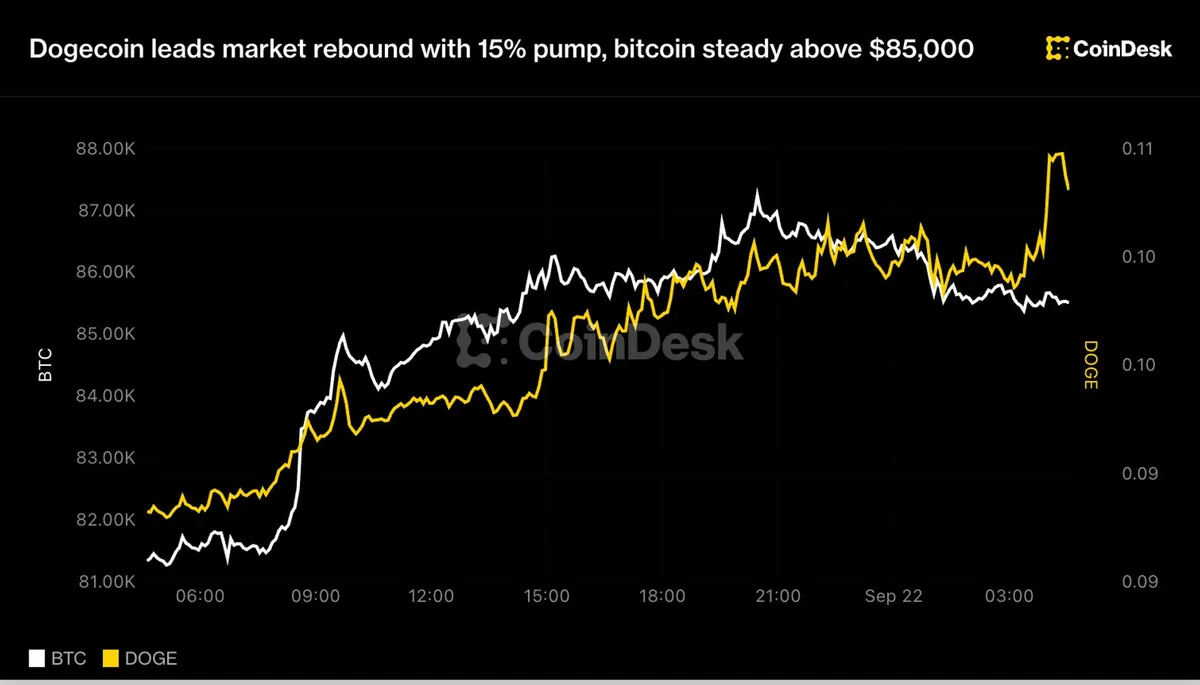
Dogecoin's 15% surge drives market recovery as bitcoin stabilizes above $85,000

Cardano adds tools for AI agent payments, joining Solana and XRP Ledger

Trueo prediction market moves from Base to Ethereum