US has seized nearly $1 billion in crypto from Iran, Bessent says
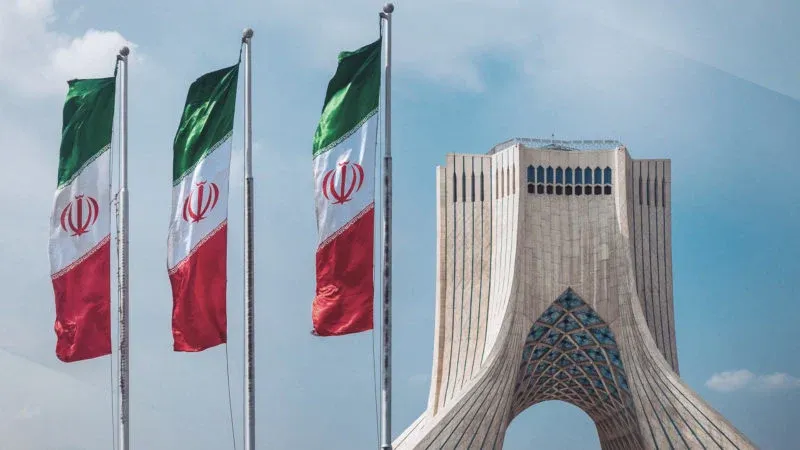
In a recent statement, Treasury Secretary Scott Bessent announced that the U.S. has seized nearly $1 billion in cryptocurrency assets linked to Iran. This significant figure marks a considerable increase from earlier reports that indicated seizures of around $500 million. The U.S. government has been actively targeting Iranian crypto assets as part of its broader strategy to counteract illicit activities and enforce sanctions against the Iranian regime. This latest development underscores the ongoing efforts by U.S. authorities to monitor and disrupt the use of cryptocurrency in ways that violate international laws and regulations.
The context behind these seizures lies in the U.S. government's long-standing sanctions against Iran, particularly due to its nuclear program and alleged support for terrorism. Cryptocurrency has emerged as a popular tool for states and actors seeking to evade sanctions, as it allows for relatively anonymous transactions across borders. The rise of digital currencies has complicated the enforcement of these sanctions, prompting the U.S. to adapt its strategies to include the monitoring of crypto assets. The recent seizure indicates that the U.S. is becoming increasingly vigilant in its efforts to track and confiscate these assets, which are often difficult to trace and regulate.
This news is particularly significant for the cryptocurrency market, as it highlights the potential regulatory risks that digital assets face. The seizure of such a large amount of crypto sends a clear message that governments are willing to take decisive action against perceived threats associated with digital currencies. For investors and market participants, this could lead to increased scrutiny of how cryptocurrencies are used and the potential for stricter regulations in the future. As the market continues to mature, the relationship between governments and cryptocurrencies will be a critical factor in shaping market dynamics.
Industry reactions have been mixed, with some experts applauding the U.S. government's proactive stance against illicit use of crypto while others express concerns about the implications for legitimate users. Some analysts argue that these actions could deter bad actors but may also create uncertainty for businesses and individuals who rely on cryptocurrencies for lawful purposes. Others see this as an opportunity for the industry to advocate for clearer regulations that distinguish between legitimate use cases and illegal activities, potentially fostering a more robust and compliant ecosystem.
Looking ahead, the actions taken by the U.S. government may spur other countries to re-evaluate their own approaches to cryptocurrency regulation, especially concerning sanctions and enforcement. As more nations grapple with the growing influence of digital assets, we may see a wave of similar initiatives aimed at curbing illicit transactions and enhancing compliance. The future of cryptocurrency regulation is likely to be marked by increased collaboration between governments and industry stakeholders, as both sides seek to navigate the complex landscape of digital finance while addressing security and compliance concerns.

CoinMagnetic Team
Crypto investors since 2017. We trade with our own money and test every exchange ourselves.
Updated: May 2026
From our insights:
Related news

Crypto sector emerges as top donor with $206 million in midterms backing
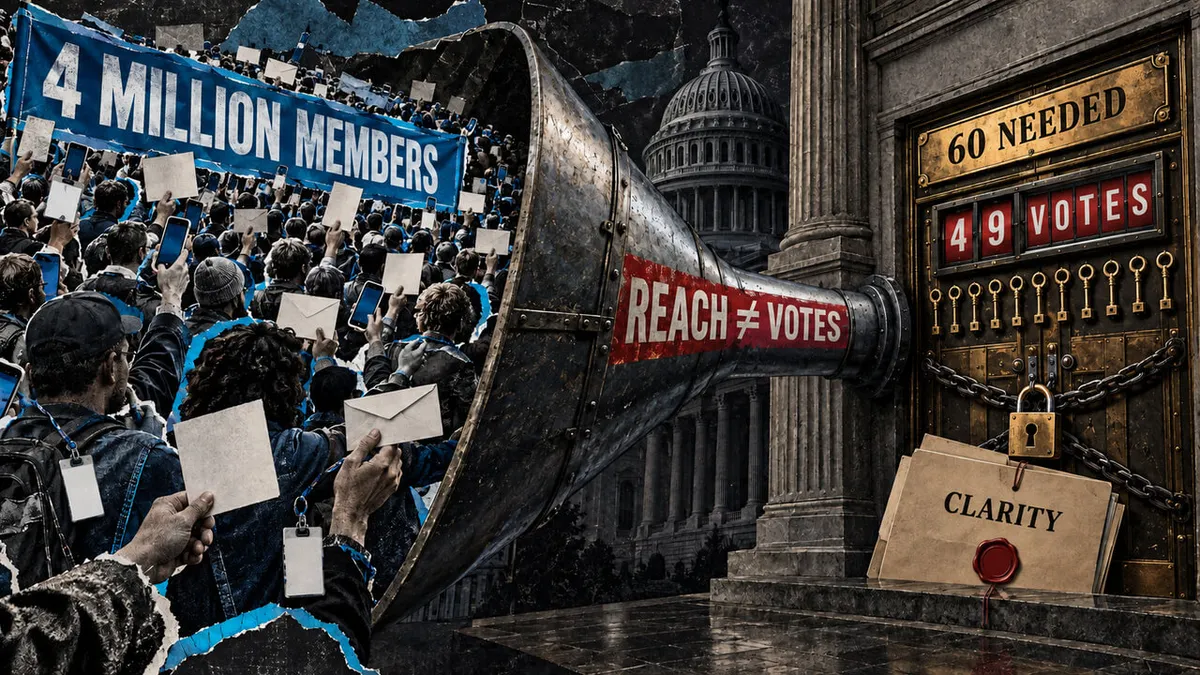
Stand With Crypto’s 4 million registered advocates couldn’t get the CLARITY Act through the Senate

Kakao Pay, KakaoBank to explore stablecoin opportunities with Fireblocks

US Attorney's investigation into Binance focuses on Iran sanctions compliance

ECB initiates wholesale digital euro for banks and tokenized bond purchases