US government watchdog urges FDIC to coordinate on crypto oversight

The U.S. Government Accountability Office (GAO) has recently urged the Federal Deposit Insurance Corporation (FDIC) to enhance its coordination with other regulators regarding oversight of the cryptocurrency sector. According to the GAO's findings, there is a notable absence of an ongoing coordination mechanism aimed at addressing the risks associated with blockchain technology and digital assets. This call for better collaboration comes as the regulatory landscape continues to evolve in response to the rapid growth and complexities of the crypto market, highlighting the need for a coherent approach to managing and mitigating risks.
This recommendation from the GAO is significant in the context of growing regulatory scrutiny of the cryptocurrency industry. Over the past few years, various government bodies, including the SEC and CFTC, have been grappling with how best to regulate digital assets. The FDIC, an agency primarily focused on ensuring the stability of the banking system, has found itself at the intersection of traditional finance and the burgeoning crypto space. As digital currencies become more integrated into the financial ecosystem, the urgency for a unified regulatory framework has intensified, prompting calls for inter-agency cooperation.
The implications of the GAO's recommendation are substantial for the market. A lack of coordinated oversight could lead to regulatory gaps that may expose consumers and investors to unforeseen risks. If the FDIC and other regulators can establish a more cohesive strategy, it could foster a safer environment for blockchain innovation while ensuring consumer protections are upheld. In turn, this might lead to greater institutional adoption of cryptocurrencies, as firms would have clearer guidance on compliance and risk management, potentially stabilizing the market further.
Reactions from industry experts have been mixed, reflecting the complexities of regulatory oversight in a rapidly changing landscape. Some analysts argue that improved coordination among regulators is essential for addressing the multifaceted risks associated with crypto assets. Others caution that overly stringent regulations could stifle innovation and push crypto-related activities into less regulated jurisdictions. The balance between fostering innovation and ensuring consumer protection remains a hot topic among stakeholders in the crypto industry.
Looking ahead, it will be crucial for the FDIC and other regulatory bodies to address the GAO's recommendations effectively. As the crypto market continues to evolve, establishing a robust framework for risk assessment and management is imperative. The next steps may include public consultations, the formation of task forces, and enhanced communication channels between agencies. This could pave the way for a more harmonized approach to cryptocurrency oversight, ultimately shaping the future of digital assets in the U.S. financial landscape.

CoinMagnetic Team
Crypto investors since 2017. We trade with our own money and test every exchange ourselves.
Updated: June 2026
From our insights:
Related news
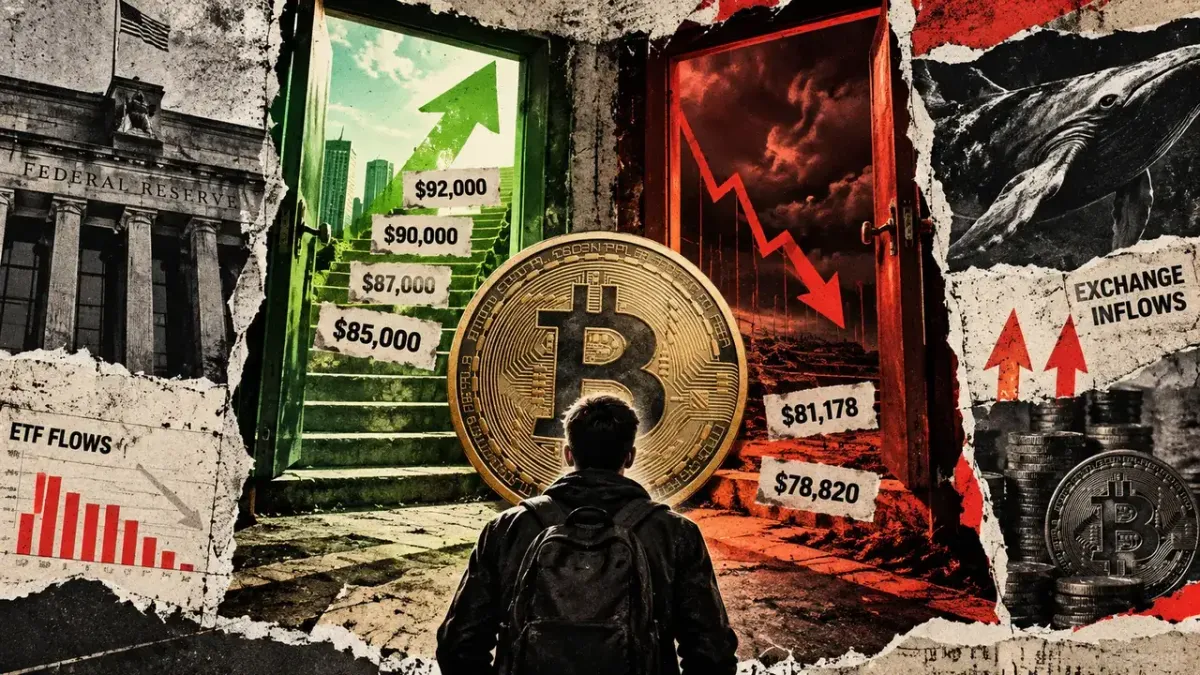
Bitcoin's weekly close above $81,000 signals potential rise to $90,000

Elon Musk's X integrates bitcoin trading options for U.S. users
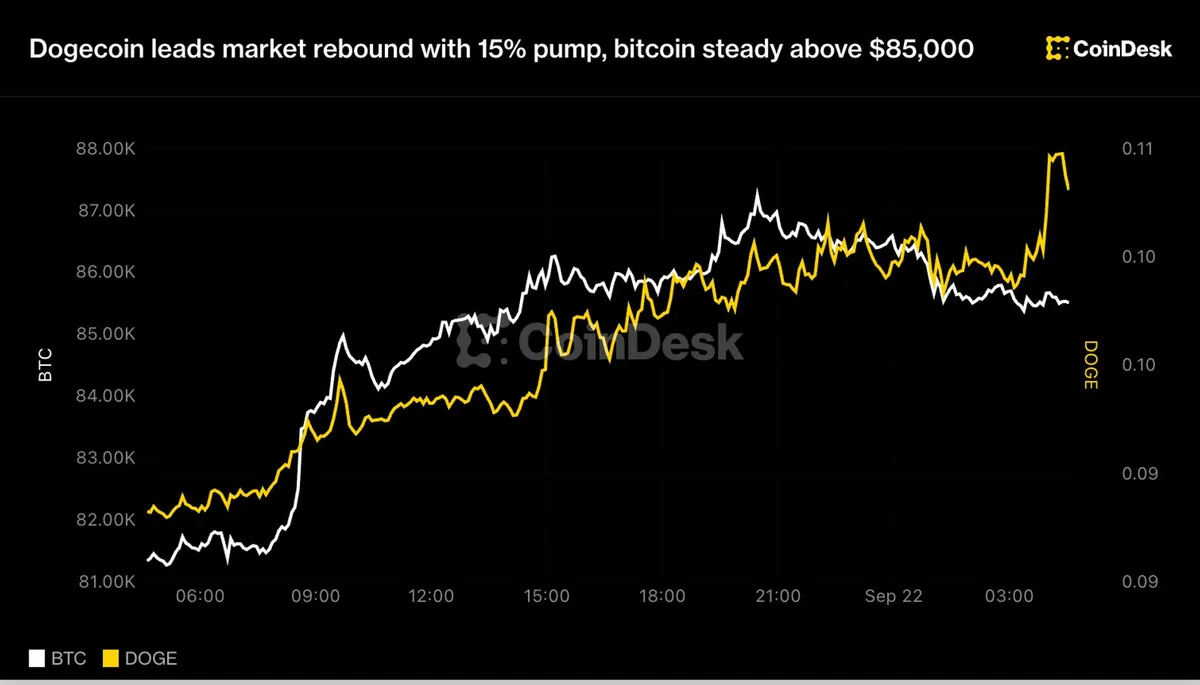
Dogecoin's 15% surge drives market recovery as bitcoin stabilizes above $85,000

Cardano adds tools for AI agent payments, joining Solana and XRP Ledger

Trueo prediction market moves from Base to Ethereum