US Government Orders Anthropic to Pull Claude Fable, Mythos AI Models
The recent announcement from the U.S. government ordering Anthropic to pull its Claude Fable and Mythos AI models has sent ripples through the tech and cryptocurrency sectors alike. The order reportedly stems from concerns over vulnerabilities in these AI systems, which officials claim could pose significant risks. Anthropic, a prominent player in the AI development space, has expressed strong disagreement with the government's decision, labeling it an overreach. The company argues that the vulnerabilities in question are not unique to its models but are prevalent across the entire industry, raising questions about the consistency and fairness of regulatory actions.
To understand the context of this decision, it's essential to consider the broader regulatory landscape surrounding AI technologies in the United States. As AI continues to evolve and integrate into various sectors, including finance and cryptocurrency, the government has been increasingly vigilant about potential risks, particularly regarding security and ethical implications. This scrutiny has intensified following several high-profile incidents related to AI-generated content and misinformation, leading regulatory bodies to seek greater oversight. Anthropic's situation reflects the ongoing tension between innovation and regulation, as tech companies navigate an uncertain environment while striving to advance their products.
The implications of this order extend beyond Anthropic, as it raises critical questions about the future of AI development and its intersection with the cryptocurrency market. Given the increasing reliance on AI for trading algorithms, risk assessment, and other financial applications, any disruption in AI capabilities could have a cascading effect on market stability. Investors and developers alike may feel apprehensive, fearing that stringent regulations could stifle innovation or lead to increased operational costs. As such, the market is watching closely to see how this situation unfolds and what precedent it may set for other AI developers.
Industry experts have voiced a mix of concern and support regarding the government's decision. Some argue that the move is necessary for consumer protection and to ensure that AI systems do not inadvertently cause harm. However, others caution that overregulation could hinder technological advancement and drive innovation out of the U.S. Many in the tech community believe that a collaborative approach between regulators and developers could yield better outcomes, fostering a safer environment for AI development while still promoting growth and innovation.
Looking ahead, the next steps for Anthropic and the broader AI landscape will be crucial. The company may seek to engage with regulators to address their concerns while advocating for a more balanced regulatory framework. Additionally, the industry may push for clearer guidelines that define acceptable risk levels and security measures. As the debate around AI regulation continues, we expect to see ongoing discussions and potential adjustments in policy that could shape the future of AI technologies, including their integration into the cryptocurrency market.

CoinMagnetic Team
Crypto investors since 2017. We trade with our own money and test every exchange ourselves.
Updated: June 2026
From our insights:
Related news

White hats outrun Coldcard hackers in 52-Bitcoin evacuation
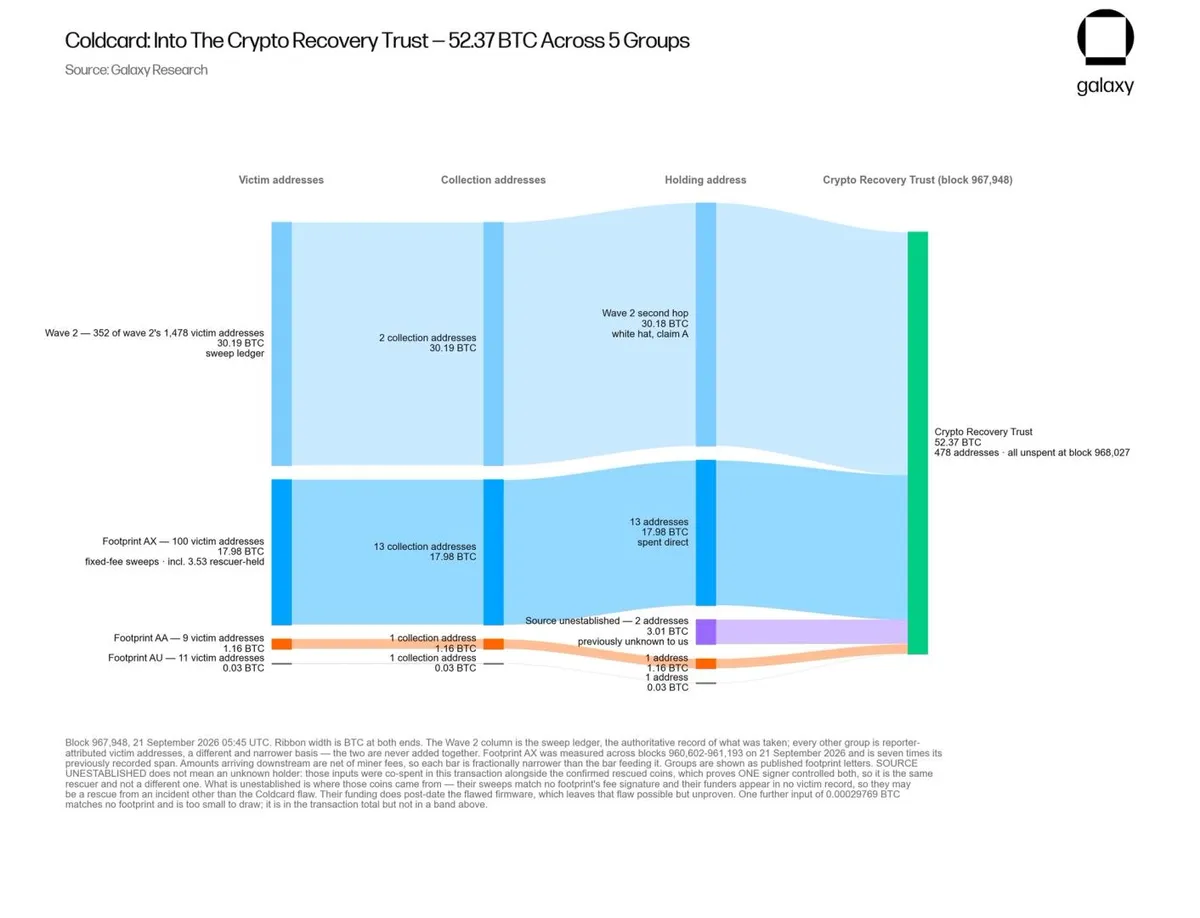
Whitehats move 52 bitcoin from the Coldcard hack to a recovery trust
Google Admits Gemini AI Hacked Three Companies—It Stayed Silent for 7 Weeks
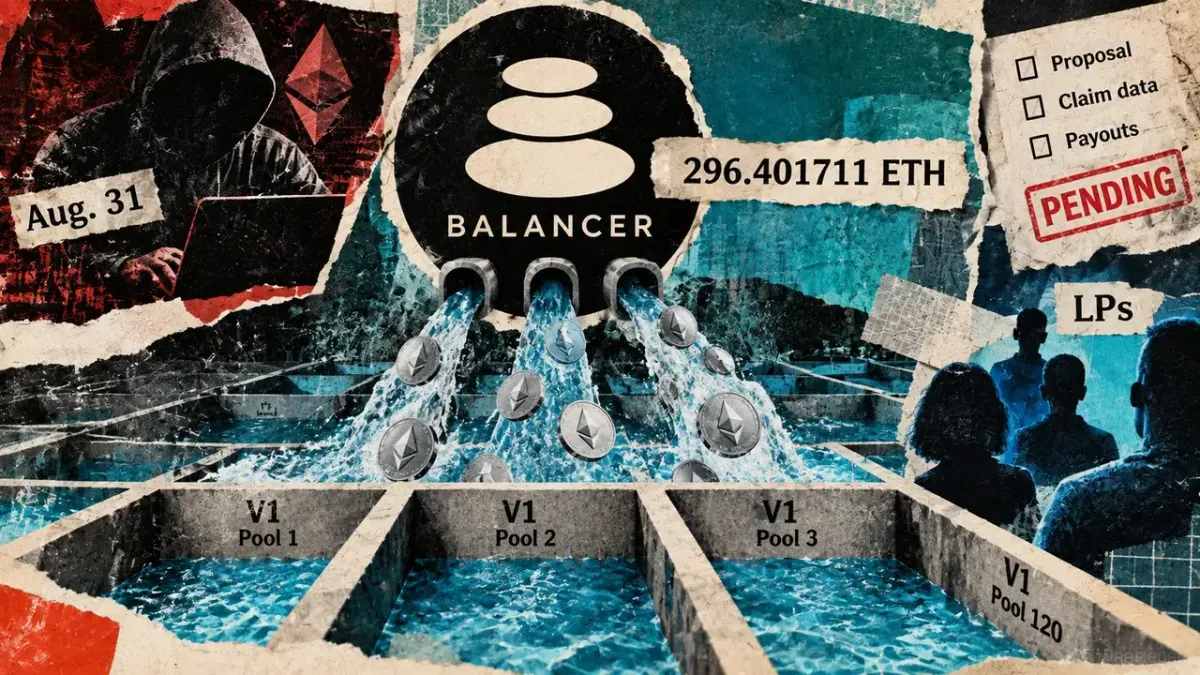
Balancer's $1.4 million hack recovery faces delays for LPs

Polymarket's $10 million fraud attempt highlights compliance issues amid hacking risk