US debt reaching $40 trillion could enhance Bitcoin's long-term appeal

The United States has recently surpassed the staggering milestone of $40 trillion in national debt, igniting discussions among analysts regarding its implications for Bitcoin and the broader cryptocurrency market. This development raises questions about the sustainability of such high levels of debt and the potential consequences for monetary policy, inflation, and alternative assets like Bitcoin. As the national debt grows, investors are contemplating how this might influence their investment strategies and asset allocations in the coming years.
Historically, rising national debt levels have prompted concerns about inflation and currency devaluation. With the U.S. government's borrowing increasing significantly, there is a growing sentiment that traditional fiat currencies may weaken in value over time. This situation creates a fertile ground for Bitcoin, which is often viewed as a hedge against inflation due to its limited supply and decentralized nature. As investors seek refuge from potential currency debasement, Bitcoin’s appeal as a store of value may strengthen.
The implications of the $40 trillion debt threshold are noteworthy for the cryptocurrency market. While the immediate drivers for Bitcoin prices remain influenced by factors such as Treasury yields, dollar strength, and liquidity in the financial system, the long-term narrative surrounding Bitcoin as a viable alternative to traditional fiat currencies could gain traction. Should inflation concerns continue to mount, Bitcoin may be positioned to attract more institutional and retail investors looking for protection against economic uncertainty.
Industry experts have expressed a range of perspectives on this development. Some analysts argue that the increasing national debt underscores the need for alternative financial systems and assets, with Bitcoin at the forefront of this shift. Others caution that while the long-term outlook for Bitcoin may improve, short-term volatility remains a significant risk as market participants react to fiscal and monetary policy changes. The current dynamics highlight a complex interplay between macroeconomic factors and cryptocurrency adoption.
Looking ahead, the debate surrounding the $40 trillion debt figure is likely to evolve as economic conditions change. Investors will be watching closely for signs of inflation or shifts in monetary policy that could further influence Bitcoin's market position. As the narrative around Bitcoin as a hedge against traditional economic risks continues to develop, both investors and analysts will need to navigate the complexities of this evolving landscape.

CoinMagnetic Team
Crypto investors since 2017. We trade with our own money and test every exchange ourselves.
Updated: August 2026
From our insights:
Related news

European issuers stress need for USD stablecoins despite euro alternatives

Cardano's DeFi ecosystem contracts over 50% as RealFi seeks revival through credit
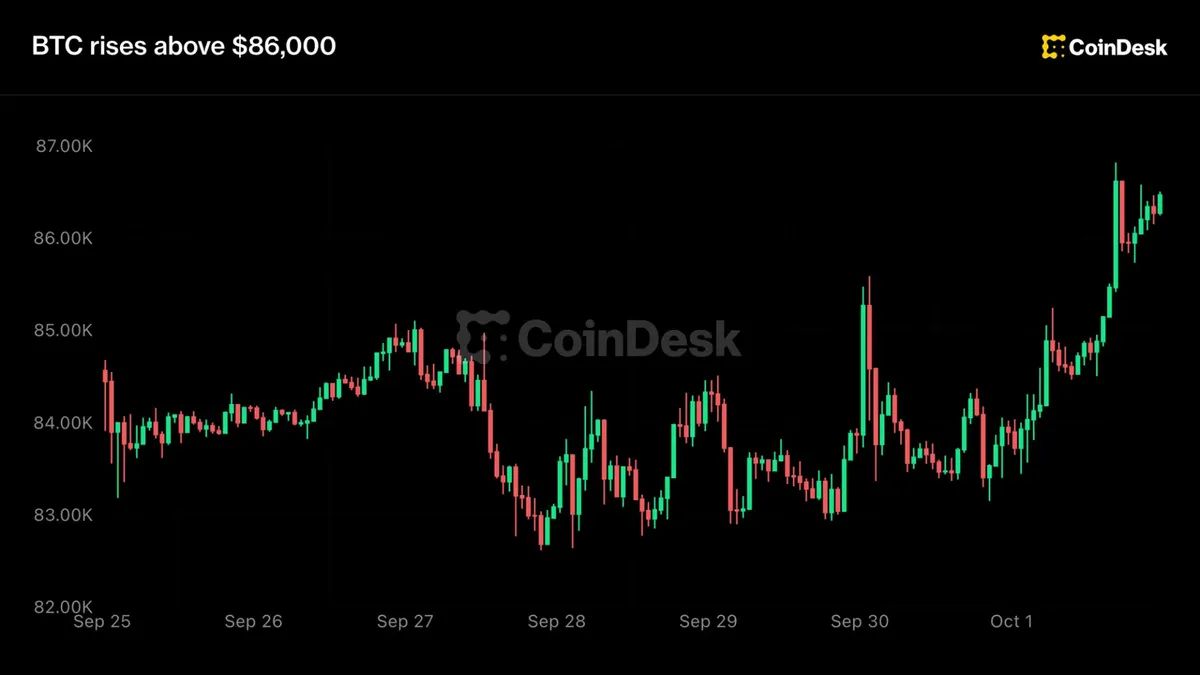
Bitcoin hovers around $87,000 amid U.S. jobs report miss

Aave founder reassures that V3 is secure despite $305K exploit

Bitcoin faces challenges in October despite strong September performance