US crypto perps are live but Bitcoin may be the only market many traders can actually use

The launch of cryptocurrency perpetual contracts by Kalshi has generated significant buzz within the trading community, as it marks a notable expansion in the options available to U.S. traders. These contracts allow investors to speculate on the future price movements of various cryptocurrencies without the need to own the underlying assets. However, as the platform goes live, it appears that Bitcoin may dominate the trading landscape, with many traders potentially sidelining altcoins. The initial excitement is tempered by concerns about factors like market depth, spreads, and funding rates, which can significantly impact the trading experience.
To understand the current environment, it's essential to consider the growth of cryptocurrency derivatives. Perpetual contracts have gained popularity due to their flexibility and the ability to maintain positions without expiration. Kalshi's entry into this space is a significant step, particularly in the U.S., where regulatory scrutiny has often limited options for crypto traders. While the platform has opened doors for broader participation, the focus on Bitcoin as the primary trading asset reflects a longstanding trend where altcoins often struggle to achieve the same liquidity and market interest.
The implications of this development are profound for the cryptocurrency market. Bitcoin has long been viewed as the flagship asset, often dictating market movements for other cryptocurrencies. The potential dominance of Bitcoin perpetual contracts may reinforce this trend, leading to a further bifurcation between Bitcoin and altcoin markets. Traders may find themselves gravitating toward Bitcoin due to its established liquidity and perceived safety, potentially stifling innovation and investment in altcoins that could benefit from increased trading activity.
Industry reactions to Kalshi's launch have been mixed. While some experts commend the introduction of a regulated platform for crypto derivatives, others express skepticism about the viability of trading altcoins on such venues. Concerns about liquidity and the overall trading environment could deter traders from venturing beyond Bitcoin. Additionally, the spreads and funding rates associated with altcoin contracts may not be favorable enough to attract significant interest, leading to a situation where Bitcoin remains the dominant player in the market.
Looking ahead, it will be crucial to monitor how traders adapt to Kalshi's offerings and whether the platform can foster a more balanced trading environment. If liquidity and spreads improve for altcoins, there may be an opportunity for increased participation in these markets. Alternatively, if Bitcoin continues to overshadow altcoins, we could see a continued consolidation of trading activity around this leading cryptocurrency. The outcome will significantly shape the future dynamics of the cryptocurrency market and influence trader strategies in the coming months.

CoinMagnetic Team
Crypto investors since 2017. We trade with our own money and test every exchange ourselves.
Updated: June 2026
From our insights:
Related news

Magic Eden incident places 3,832 NFTs in protective custody for safety
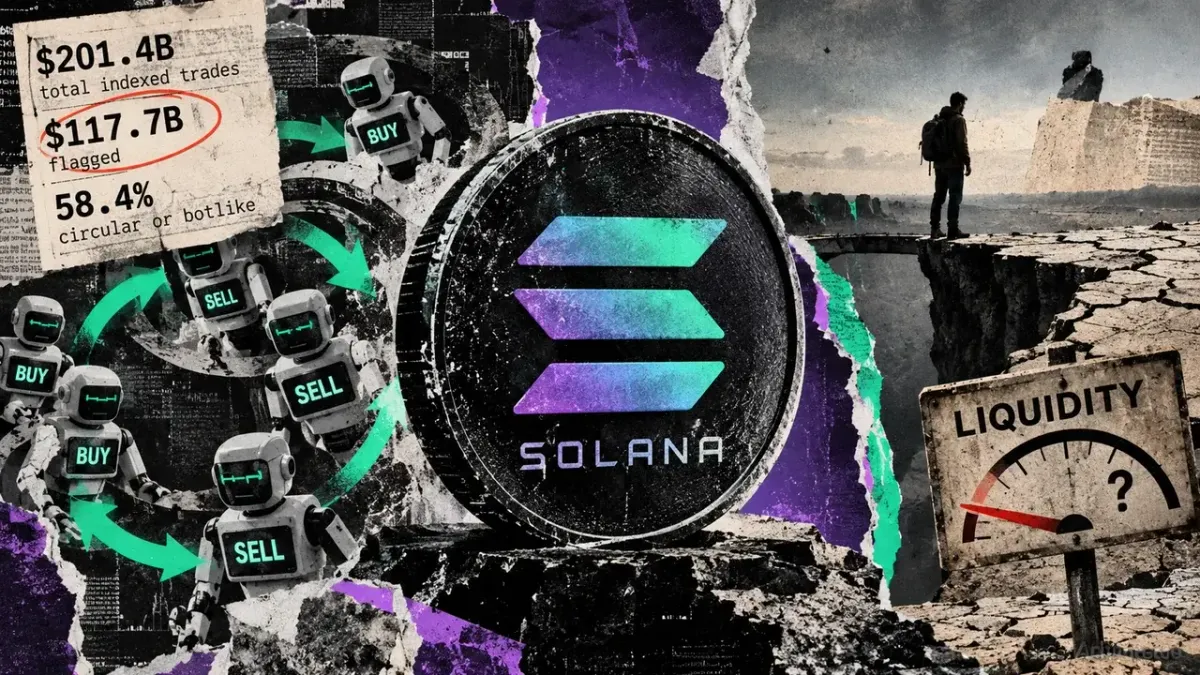
Solana DEX volume surge linked to circular trades and bot activity

Keonne Rodriguez and 70 others face new transfer after 30-day ordeal

2.8 billion XRPL volume driven by just 185 trades across two obscure pools

New York's lawsuit against Polymarket seeks triple damages and penalties