US sanctions extend to all operating in Iran's crypto sector amidst Economic D-Day
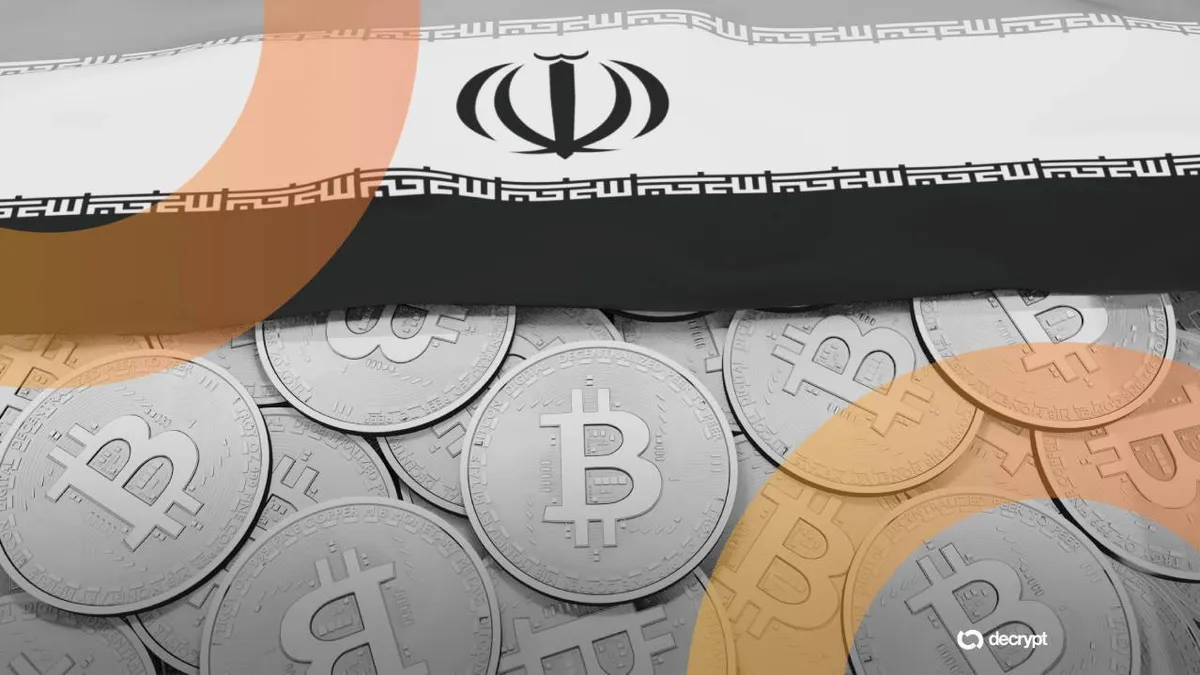
The U.S. Treasury has announced that it can now impose sanctions on any individual or entity operating within Iran's cryptocurrency sector. This move is part of a broader initiative termed "Economic D-Day," which also targets the technology, gold, aviation, and shipping industries. The sanctions reflect the U.S. government's ongoing efforts to curb Iran's ability to finance its activities through various economic channels, especially in the realm of digital assets, which have gained traction in recent years.
The context behind this decision stems from increasing concerns about Iran's utilization of cryptocurrencies for circumventing international sanctions and funding activities that the U.S. deems hostile. The Iranian government has turned to digital currencies as a means to bolster its economy amid stringent sanctions. By extending sanctions to the crypto sector, the U.S. aims to close off a significant avenue for financial transactions that could support various state-sponsored initiatives.
This development is crucial for the cryptocurrency market, particularly as it may instill further wariness among investors regarding regulatory risks associated with digital assets. The U.S. sanctions could deter businesses and individuals from engaging with Iranian crypto operations, potentially leading to a restriction in the global flow of cryptocurrencies. It also raises questions about how compliant exchanges and platforms will navigate these regulations, which could affect liquidity and trading volumes.
Industry reactions have been mixed, with some experts acknowledging the necessity of such measures for national security while others warn about the potential stifling of innovation in the crypto space. The sanctions could push Iranian crypto activities further underground or into less regulated jurisdictions, which might not be in the best interest of consumer protection or transparency. Opinions vary on whether these actions will achieve the intended outcomes or simply complicate the landscape further.
Looking ahead, the implications of these sanctions will likely unfold as the U.S. Treasury continues to monitor compliance within the crypto sector. Companies operating internationally must remain vigilant about their ties to Iranian entities, while Iranian crypto operators may need to adapt quickly to the evolving regulatory environment. The broader effect on global cryptocurrency markets will depend on how stakeholders respond to these sanctions and whether they can find ways to mitigate the risks associated with operating in an increasingly regulated landscape.

CoinMagnetic Team
Crypto investors since 2017. We trade with our own money and test every exchange ourselves.
Updated: August 2026
From our insights:
Related news

CFTC seeks to classify event contracts as swaps amid ongoing legal battles

OpenAI and Anthropic war-game AI cyberattacks to prepare rapid congressional briefings

Blockchain.com applies for US licenses to launch event contracts and futures

New York AG secures up to $35 million from former Celsius CEO Alex Mashinsky

ESMA gathers industry data to evaluate tokenized collateral risks under stress