US plans to leverage stablecoins to enhance dollar dominance globally
The U.S. government is reportedly considering a strategy to bolster its dollar dominance by funding private stablecoin initiatives abroad. This move aims to protect the U.S. dollar's status as the world's primary reserve currency while simultaneously supporting demand for U.S. Treasury securities. The initiative is seen as part of a broader effort to maintain economic influence in an increasingly competitive global landscape where other nations are exploring their own digital currencies.
Historically, the U.S. dollar has held a prominent position as the primary global reserve currency, significantly influencing international trade and finance. However, recent developments, including the rise of cryptocurrencies and digital currencies from other nations, have raised concerns about the dollar's long-term supremacy. As countries like China work to establish their own digital yuan, the U.S. is focusing on innovative strategies to ensure that the dollar remains the go-to currency for international transactions.
This initiative is particularly significant for the market as it suggests a shift in how the U.S. views stablecoins–not just as a form of digital currency, but as a tool for geopolitical strategy. By potentially funding stablecoin projects in other countries, the U.S. could enhance the operational framework for these currencies while simultaneously ensuring they remain tethered to the dollar. This could lead to an increased adoption of stablecoins globally, which would also have implications for the existing crypto market dynamics.
Industry reactions have been mixed, with some experts welcoming the potential for U.S. involvement in stablecoin developments, viewing it as a necessary step to maintain competitive advantage. Others, however, express concerns about regulatory overreach and the potential for the U.S. to impose its monetary policy on other nations through these stablecoin initiatives. The debate highlights the complexities of integrating digital currencies into the existing financial system and the balance of power among nations.
Looking ahead, the next steps for the U.S. will likely involve collaboration with private sector firms to explore viable stablecoin projects that align with national interests. As discussions progress, it will be crucial to monitor how international partners respond and whether they welcome U.S. involvement or seek to develop their own independent solutions. The outcomes of these initiatives could reshape the future of global finance and the role of the dollar in the digital age.

CoinMagnetic Team
Crypto investors since 2017. We trade with our own money and test every exchange ourselves.
Updated: September 2026
From our insights:
Related news

Ondo launches onchain portfolio tokens based on BlackRock-developed strategies
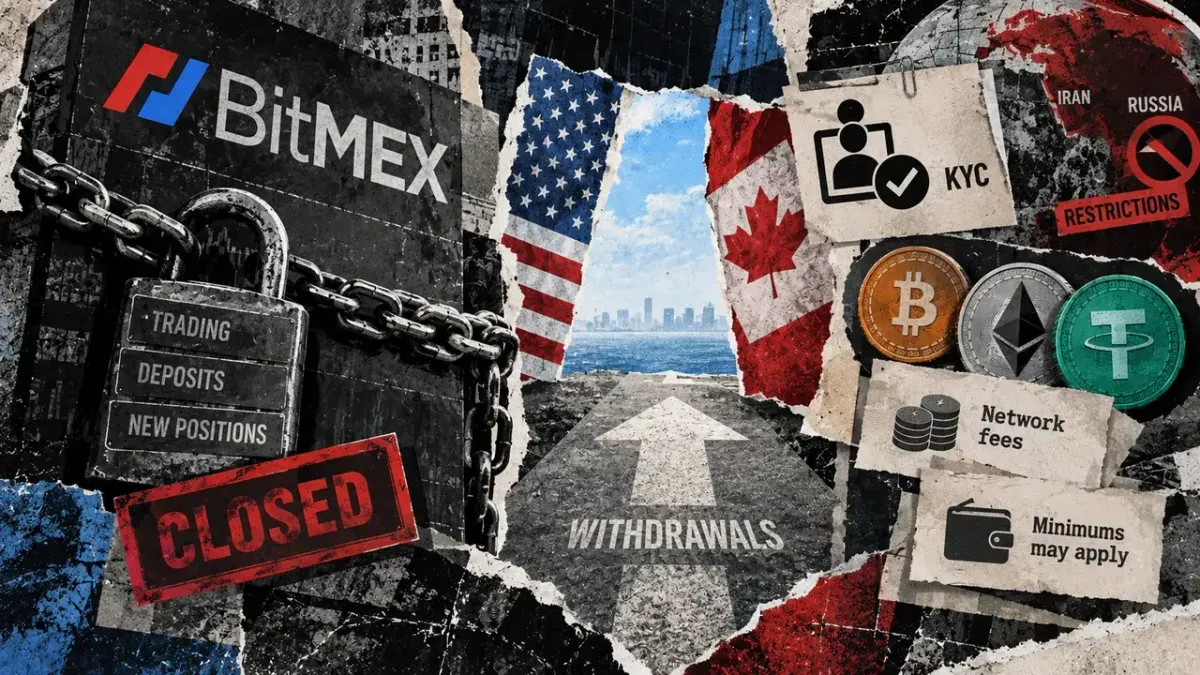
BitMEX allows previously barred customers to recover funds after policy change

BlackRock identifies $5 trillion AI-driven demand for stablecoins
Bitcoin's $80,000 breakout sparks institutional interest amid ETF inflows

NYSE, Blockchain.com in tie-up to bring tokenized US stocks to crypto users