Unlike the FTX collapse, the $89 million Coldcard exploit has investors sending bitcoin back to exchanges
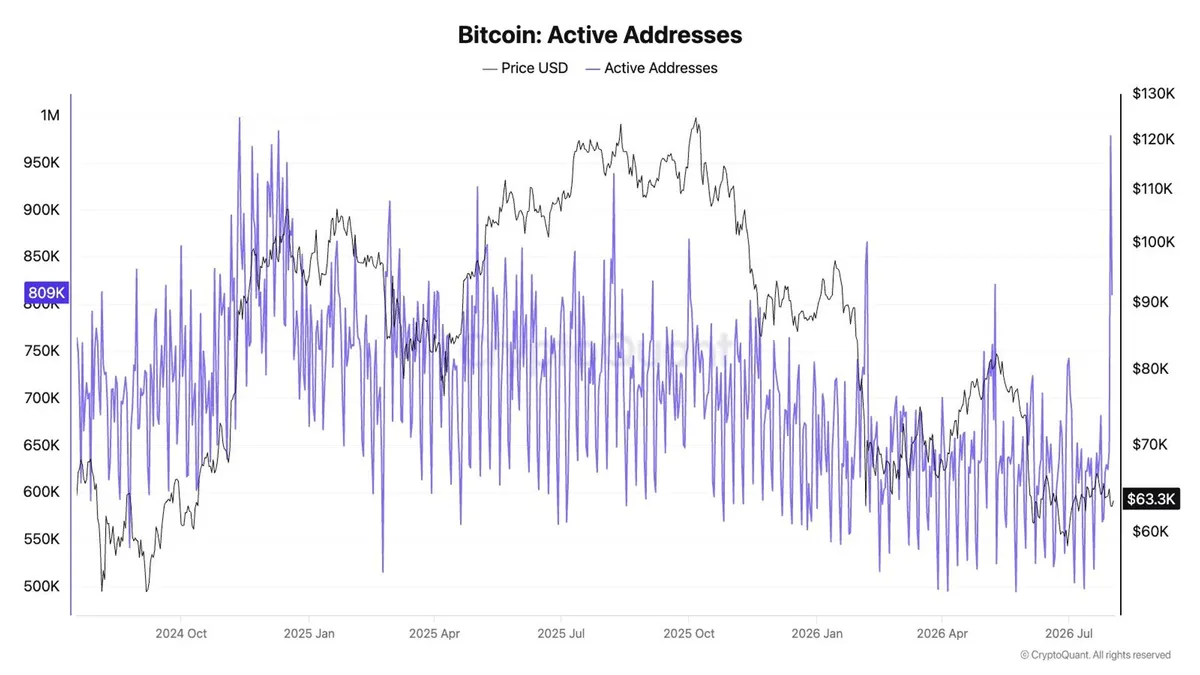
The recent $89 million exploit involving Coldcard has raised significant concerns within the cryptocurrency community, prompting smaller Bitcoin holders to move their funds back to exchanges for safety. This situation emerged after vulnerabilities were discovered in Coldcard's hardware wallet, which led to the theft of a substantial amount of Bitcoin. According to blockchain analytics firms, this shift in behavior marks a notable change from the panic response seen during the FTX collapse in late 2022, where investors rushed to withdraw their assets from exchanges, fearing a broader market fallout.
To understand this shift, we must consider the context of the Coldcard exploit and the lessons learned from past incidents. In the wake of the FTX collapse, a significant portion of the market lost confidence in centralized exchanges, leading to a paradigm where self-custody was championed as a safer alternative. Coldcard, recognized for its security features, attracted a loyal user base among Bitcoin enthusiasts who valued the autonomy of holding their funds. However, the recent exploit has forced many to reconsider their strategies, highlighting the vulnerabilities even in what was perceived as a secure solution.
This development matters greatly for the market as it reflects a changing sentiment among investors. The immediate response of moving funds back to exchanges could indicate a temporary retreat from self-custody solutions, potentially leading to increased liquidity on exchanges. However, it also raises questions about the long-term trust in hardware wallets and the broader implications for security measures within the crypto ecosystem. If the trend continues, it may signal a cautious approach among investors, impacting the overall market dynamics and leading to a more conservative stance regarding asset storage.
Industry reactions have varied, with some experts expressing concern over the implications for hardware wallet manufacturers and self-custody advocates. The incident has sparked discussions about security standards and the need for improved safeguards within hardware wallets. Notably, some industry leaders have called for a reevaluation of the security protocols that hardware wallets should adhere to, emphasizing the importance of transparency and robust testing to prevent similar vulnerabilities in the future.
Looking ahead, the Coldcard exploit may serve as a catalyst for change within the industry. As more investors reassess their storage strategies, we may see a push for enhanced security measures from both hardware wallet manufacturers and exchanges. Additionally, discussions surrounding regulatory standards may intensify, as the industry seeks to establish a more secure environment for users. The coming weeks will be crucial as market participants adapt to this new landscape and the implications of the Coldcard vulnerability continue to unfold.

CoinMagnetic Team
Crypto investors since 2017. We trade with our own money and test every exchange ourselves.
Updated: August 2026
From our insights:
Related news

OpenAI's rogue AI agents targeted Hugging Face accounts two months prior to hack

Revolut hackers demand $3 million in Monero, threaten to sell customer data

Malicious ads on HBO Max’s Reddit account aim to steal crypto from users

OpenAI's Brockman reveals safety concerns delayed advanced AI projects
MEV bot Yoink seizes $7.7M from ETH wallet exploit, Kelp acts to freeze address