UK treats crypto network like a sanctioned bank after claims it processed $90B for Russia

The recent actions taken by the UK government against a cryptocurrency network have raised significant eyebrows in the financial world. Authorities have claimed that this network processed approximately $90 billion for Russian entities, which has led to a severe tightening of regulations and scrutiny similar to that applied to sanctioned banks. This move comes amid ongoing efforts by Western governments to isolate Russia financially following its invasion of Ukraine. The UK’s financial regulators are now treating this crypto network with heightened caution, indicating a major shift in how cryptocurrencies are viewed in the context of international sanctions.
To understand the implications of this development, it is essential to grasp the broader context. Over the past three years, Western nations implemented a series of stringent sanctions aimed at crippling Russia's economy. This included removing Russian banks from the SWIFT payment system and freezing the country’s foreign reserves. Despite these measures, reports suggest that Russia has been working to create alternative financial mechanisms, including leveraging cryptocurrencies to facilitate transactions and circumvent these barriers. The allegation that a specific crypto network has played a significant role in this effort highlights the ongoing cat-and-mouse game between regulators and those seeking to exploit digital assets for illicit purposes.
This situation is particularly critical for the cryptocurrency market, as it underscores the increasing scrutiny that digital currencies face from governments worldwide. The UK’s actions could set a precedent for how other nations approach cryptocurrency regulation, especially in relation to sanctions compliance. If regulators treat crypto networks similarly to traditional banks in terms of sanctions enforcement, it could lead to a chilling effect on innovation and investment in the sector. Market participants will need to navigate this new regulatory landscape carefully, as the potential for increased oversight may influence their trading strategies and business models.
Industry reactions to these developments have been varied. Some experts argue that the UK’s approach is a necessary step to prevent cryptocurrencies from being used as tools for evading sanctions. They emphasize the importance of maintaining the integrity of the global financial system and the responsibility of crypto networks to comply with regulatory standards. Conversely, others express concern that such measures could stifle innovation within the crypto space and drive legitimate businesses to operate in less regulated jurisdictions, potentially undermining the very goals of compliance and consumer protection.
As we look ahead, the future of cryptocurrency regulation in the UK and beyond remains uncertain. With the ongoing geopolitical tensions and the evolving nature of digital currencies, it is likely that we will see more discussions around the balance between fostering innovation and preventing misuse. Stakeholders in the cryptocurrency market will need to remain vigilant and adaptable, as regulatory frameworks continue to evolve in response to these pressing concerns. The coming months may reveal how effectively the industry can align with regulatory expectations while still pursuing growth and technological advancement.

CoinMagnetic Team
Crypto investors since 2017. We trade with our own money and test every exchange ourselves.
Updated: May 2026
From our insights:
Related news

Crypto sector emerges as top donor with $206 million in midterms backing

Stand With Crypto’s 4 million registered advocates couldn’t get the CLARITY Act through the Senate

Kakao Pay, KakaoBank to explore stablecoin opportunities with Fireblocks

US Attorney's investigation into Binance focuses on Iran sanctions compliance
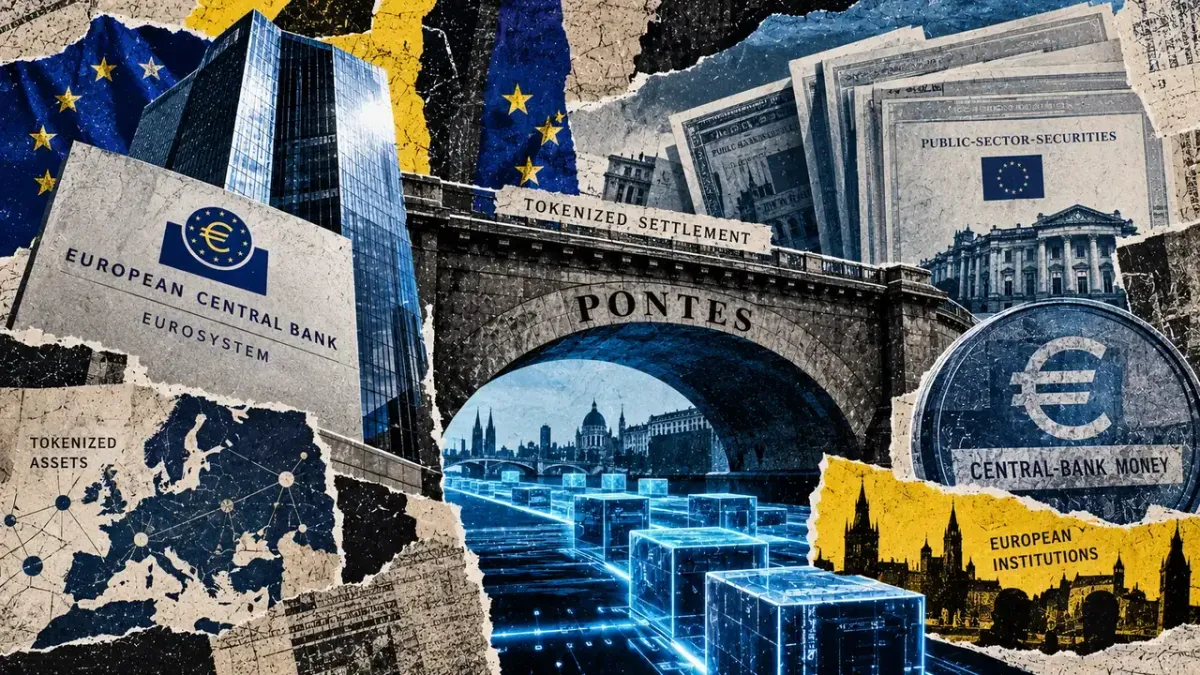
ECB initiates wholesale digital euro for banks and tokenized bond purchases