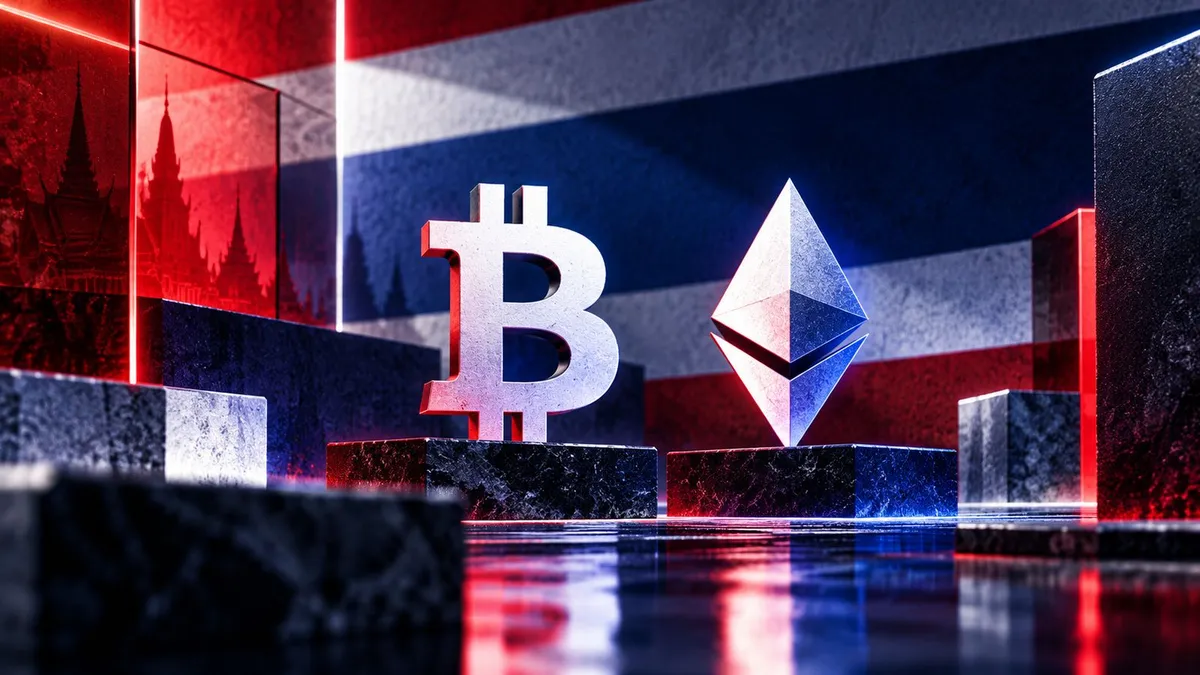
Cryptomus and TokenSpot hit as UK expands sanctions targeting Russian networks
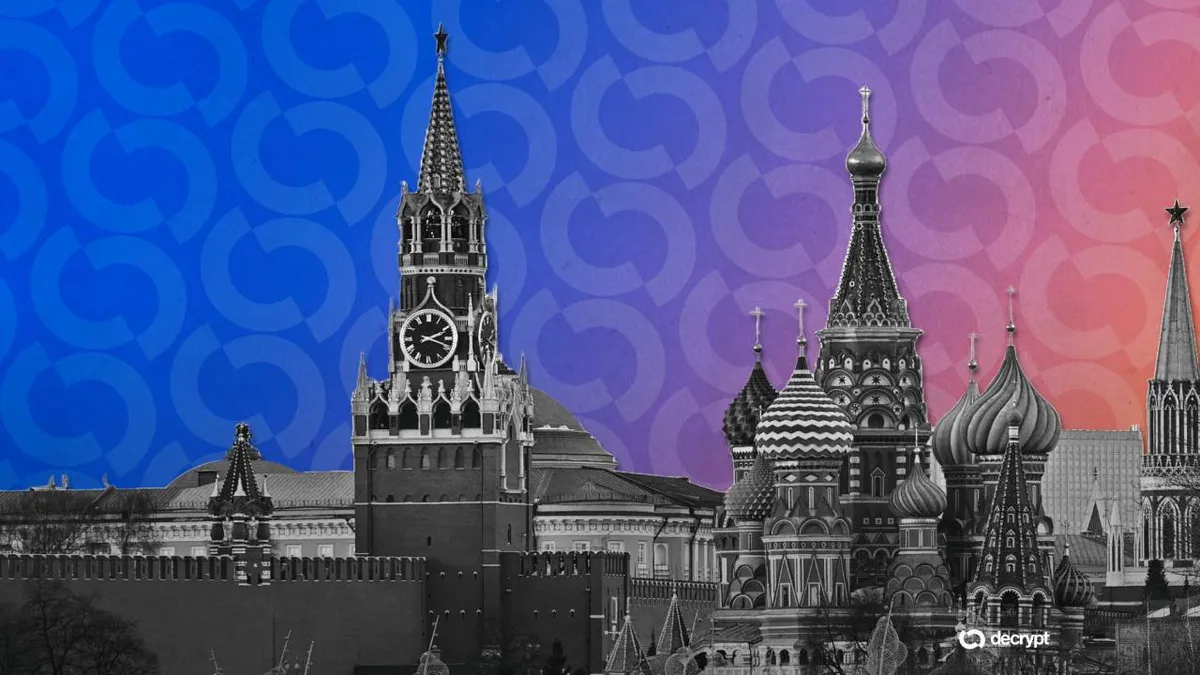
We are closely following the latest developments from the United Kingdom, where the government has introduced a new package of sanctions targeting entities linked to Russia. Among the firms named in the latest restrictive measures are several cryptocurrency and payment platforms, specifically Cryptomus and TokenSpot. According to official statements from UK authorities, the newly targeted platforms include a total of five crypto and payment services that have allegedly facilitated financial transactions for Russian networks, drawing the attention of international regulators.
This recent escalation builds upon a broader pattern of financial scrutiny that has intensified over the past few years. The UK government noted that at least two of the newly sanctioned crypto platforms were actively involved in handling transactions with Russia's A7 network. As Western authorities continue to tighten the screws on potential channels for sanctions evasion, digital asset infrastructure has increasingly become a primary focus for compliance officials seeking to cut off alternative financial corridors.
For the wider digital asset market, this development underscores the growing regulatory risks associated with cross-border payment processors operating in grey areas. As compliance standards tighten globally, market participants are being forced to re-evaluate their exposure to platforms that lack rigorous know-your-customer procedures or maintain opaque ownership structures. The inclusion of specialized crypto services in state-level sanction lists demonstrates that enforcement agencies are developing more sophisticated capabilities to track and disrupt digital asset flows.
Industry observers and legal experts have pointed out that these measures signal a permanent shift in how governments approach crypto oversight during geopolitical conflicts. Compliance firms and analytics providers are already analyzing the ripple effects of the designation on liquidity and transaction routing. While established exchanges maintain robust compliance frameworks to screen out sanctioned entities, smaller and less regulated payment processors face mounting pressure to prove their legitimacy or risk being completely frozen out of international markets.
As we monitor the situation, attention will turn to how other international allies respond and whether similar designations will follow in the near future. Payment platforms operating globally will likely accelerate their adoption of advanced blockchain surveillance tools to prevent accidental interactions with sanctioned addresses. For now, the latest move serves as a clear reminder that the perimeter of traditional financial sanctions now firmly encompasses the cryptocurrency ecosystem.

CoinMagnetic Team
Crypto investors since 2017. We trade with our own money and test every exchange ourselves.
Updated: October 2026
From our insights:
Related news
Bitcoin tests key support levels between $83,000 and $72,000 in Uptober
DWF Labs affiliates demand $141 million from BitGo over contested token sales
Uptober optimism fades as crypto majors slide ahead of key dates

Zcash developers set January target for quantum-resistant payments after ‘bunker mode’ scare

Crypto gains extend as Trump Iran pledge leaves bitcoin shorts facing liquidations