UK sets out plan to integrate payments rules covering stablecoins and tokenized deposits

The UK Treasury has recently laid out an ambitious plan to unify payments regulations that encompass traditional payment services alongside emerging technologies such as stablecoins and tokenized deposits. Announced during Fintech Week in London, this proposal aims to establish a comprehensive framework that reflects the evolving financial landscape and ensures consumer protection, financial stability, and innovation in the fintech sector. The initiative seeks to provide clarity for businesses operating within these domains and aims to align UK regulations with international standards.
The move towards integrating these payment rules comes against the backdrop of the UK’s broader efforts to enhance its position as a global fintech hub. In recent years, the rise of digital currencies and blockchain technology has prompted regulators worldwide to reevaluate existing frameworks to accommodate new financial products. The UK has been proactive in this regard, having previously issued consultations on the regulation of stablecoins and other digital assets. By consolidating rules, the Treasury aims to simplify compliance for businesses and foster a more competitive environment for innovation.
This unification of payment regulations is significant for the market as it signals a commitment to a clear regulatory approach for digital currencies. Investors and businesses alike may view this as a positive development, as clarity in regulation often leads to increased confidence and investment. Furthermore, integrating stablecoins into the existing payments framework could enhance the usability of these digital assets, potentially increasing their adoption in everyday transactions. The move could also pave the way for greater interoperability between traditional finance and the burgeoning crypto ecosystem.
Reactions from industry experts have been largely optimistic, with many viewing this proposal as a necessary step towards mainstreaming digital assets. Some analysts believe that a clear regulatory framework can help mitigate risks associated with stablecoins, such as volatility and consumer protection issues. Others have emphasized the importance of finding a balance between fostering innovation and ensuring adequate oversight to prevent financial instability. The consensus appears to be that the UK is taking a thoughtful approach to regulation that could serve as a model for other jurisdictions.
Looking ahead, the UK Treasury's proposal will likely undergo further discussions and consultations with stakeholders across the financial sector. This process will be crucial in refining the proposed regulations and ensuring that they effectively address the concerns of both traditional financial institutions and fintech companies. As the UK moves forward with this initiative, the ongoing dialogue will be essential in shaping a regulatory environment that supports innovation while safeguarding the interests of consumers and the broader financial system.

CoinMagnetic Team
Crypto investors since 2017. We trade with our own money and test every exchange ourselves.
Updated: April 2026
From our insights:
Related news

Bitcoin's weekly close above $81,000 signals potential rise to $90,000

Elon Musk's X integrates bitcoin trading options for U.S. users
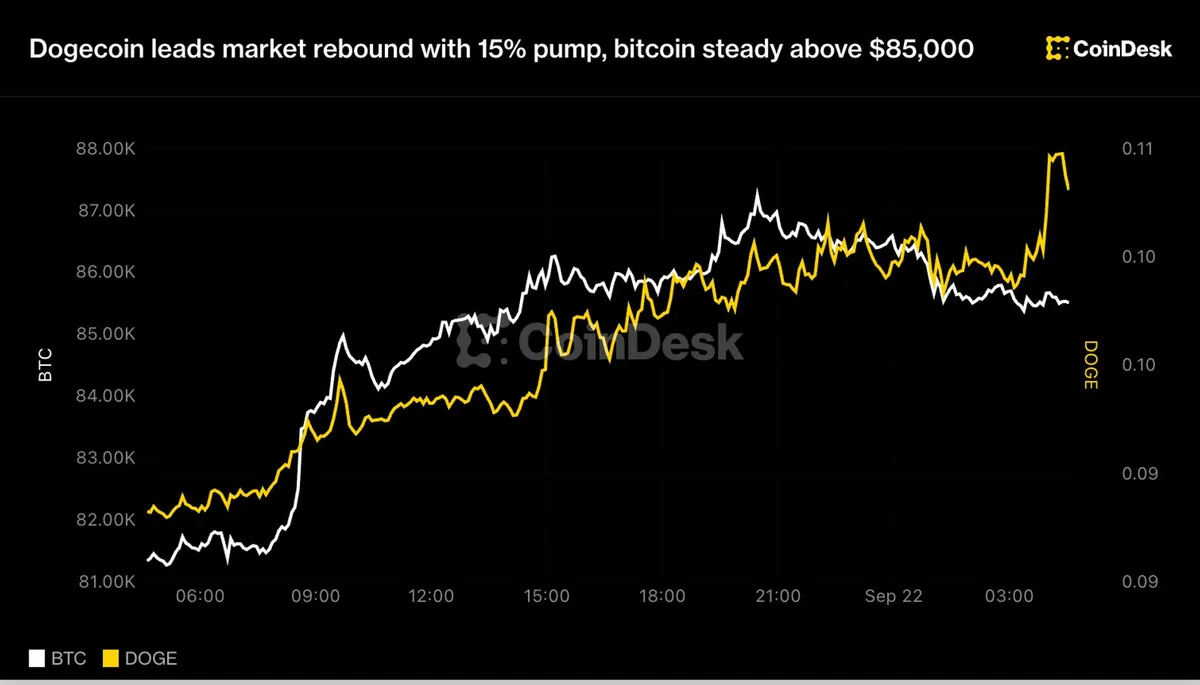
Dogecoin's 15% surge drives market recovery as bitcoin stabilizes above $85,000

Cardano adds tools for AI agent payments, joining Solana and XRP Ledger

Trueo prediction market moves from Base to Ethereum