UK’s financial payments network is ready for tokenization, regulators say
The U.K.’s financial watchdog and the Bank of England have recently announced a comprehensive roadmap for the tokenization of the country's financial payments network. This plan focuses on the integration of stablecoins for institutional settlements and aims for a phased transition toward 24/7 operational capabilities. The regulators emphasize that this initiative is crucial for enhancing the efficiency and resilience of the financial system, allowing for real-time settlement of transactions. As the financial landscape evolves, the U.K. aims to position itself as a leader in the adoption of digital currencies, recognizing the growing importance of stablecoins in the global market.
To understand the significance of this announcement, it is essential to consider the broader context of the U.K.’s financial infrastructure. Over recent years, there has been a notable shift towards digitalization in finance, driven by advancements in technology and changing consumer preferences. The rise of cryptocurrencies and stablecoins has prompted regulators to explore new frameworks that can accommodate these innovations. The U.K. government has been proactive in fostering a regulatory environment that supports innovation while ensuring consumer protection and financial stability. This roadmap is a continuation of those efforts, aiming to harness the benefits of tokenization while addressing potential risks.
The implications of this development for the market are significant. By endorsing the use of stablecoins for institutional settlements, the U.K. is not only modernizing its financial payments network but also signaling to the global market that it is open to embracing digital currencies. This could potentially attract more investment and participation from fintech companies and traditional financial institutions looking to leverage blockchain technology for faster and more secure transactions. Moreover, the move towards 24/7 operations could enhance liquidity in the market and reduce settlement times, which would be a boon for traders and institutions alike.
The industry response to this roadmap has been largely positive, with experts highlighting the importance of regulatory clarity in fostering innovation. Many see this as a crucial step toward legitimizing stablecoins and integrating them into the mainstream financial system. Some advocates argue that this could lead to increased efficiency in cross-border transactions and lower costs for consumers. However, there are also calls for caution, with some industry players urging regulators to consider potential risks, such as volatility and security concerns associated with digital currencies.
Looking ahead, the phased implementation of this roadmap will be closely monitored by both the industry and regulators. As the U.K. embarks on this journey toward tokenization, stakeholders will be keen to see how these changes unfold and what additional measures may be needed to address challenges that arise. The success of this initiative could set a precedent for other nations exploring similar paths, ultimately shaping the future of global finance in an increasingly digital world.

CoinMagnetic Team
Crypto investors since 2017. We trade with our own money and test every exchange ourselves.
Updated: May 2026
From our insights:
Related news
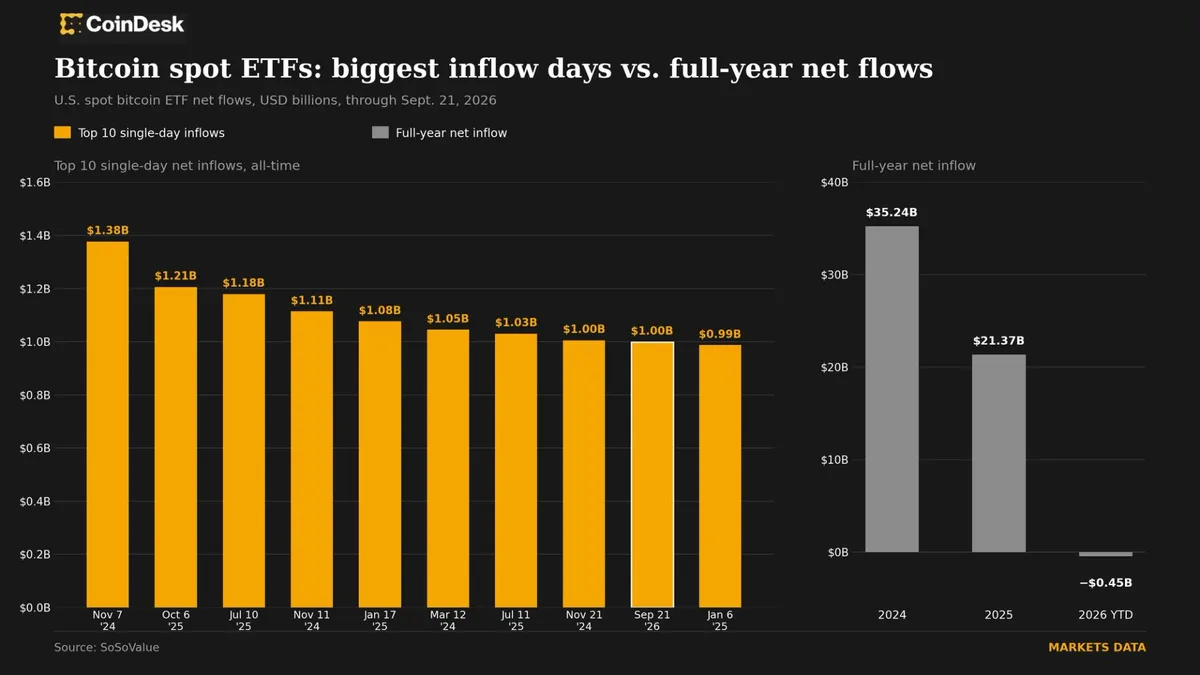
Spot bitcoin ETFs see nearly $1 billion inflow as bitcoin hits January highs

US spot Bitcoin ETFs see nearly $1 billion inflow, highest since October 2025

Bitcoin's rise to $86,000 restores profitability for ETF investors
Apple and Google seek crypto experts, signaling potential stablecoin initiatives
ECB initiates bond purchases using its own funds in crypto-linked system