UK bond fund ownership records move onto Ethereum and Solana accessible 24/7

In a groundbreaking move, UK bond fund ownership records are now being migrated onto Ethereum and Solana, enabling 24/7 accessibility for investors. This initiative, spearheaded by the firm BAGEY, aims to tokenize ownership records, transforming them into legally recognized digital assets. By leveraging blockchain technology, BAGEY seeks to enhance transparency, security, and liquidity in the bond market, which has traditionally been constrained by long settlement times and limited access. This transition represents a significant step toward modernizing financial infrastructure, as it allows for real-time ownership verification and a more streamlined trading process.
To understand the implications of this development, it's important to consider the broader context of the bond market and the role of blockchain technology. The bond market has long been seen as a bastion of traditional finance, often characterized by complex processes and intermediaries. With the rise of decentralized finance (DeFi) and blockchain solutions, there has been an increasing push to integrate these technologies into established financial systems. Tokenization, in particular, stands out as a potential game changer, enabling assets to be broken down into smaller, tradeable units while ensuring compliance with legal standards. By moving ownership records onto public blockchains, BAGEY is setting a precedent for other financial instruments to follow suit.
This move is likely to have significant ramifications for the market. By providing 24/7 access to bond ownership records, BAGEY is not only improving the efficiency of transactions but also increasing the appeal of bonds to a wider range of investors. The ability to trade bonds in a more flexible manner could attract younger, tech-savvy investors who are accustomed to operating in a 24/7 digital environment. Moreover, by integrating with established blockchain networks like Ethereum and Solana, BAGEY is positioning itself at the forefront of a trend that could redefine how traditional assets are managed and traded in the future.
Industry experts have reacted positively to BAGEY's initiative, noting its potential to disrupt the status quo in the bond market. Some analysts emphasize that while the tokenization of ownership records is a promising step, there are still challenges that need to be addressed, particularly in the areas of transfer mechanics, collateral management, and custody solutions. These elements are crucial for ensuring that the model can operate effectively and securely. Additionally, the legal implications of tokenized assets will need to be carefully navigated to provide clarity for investors and regulators alike.
Looking ahead, the next steps for BAGEY will involve testing and refining the mechanics of their tokenization model. As they work through the practical challenges of transferring ownership and managing collateral within a blockchain environment, we can expect to see further innovations and partnerships emerge in this space. The success of this model could pave the way for a broader adoption of blockchain technology across various asset classes, potentially reshaping the future of finance as we know it.

CoinMagnetic Team
Crypto investors since 2017. We trade with our own money and test every exchange ourselves.
Updated: June 2026
From our insights:
Related news
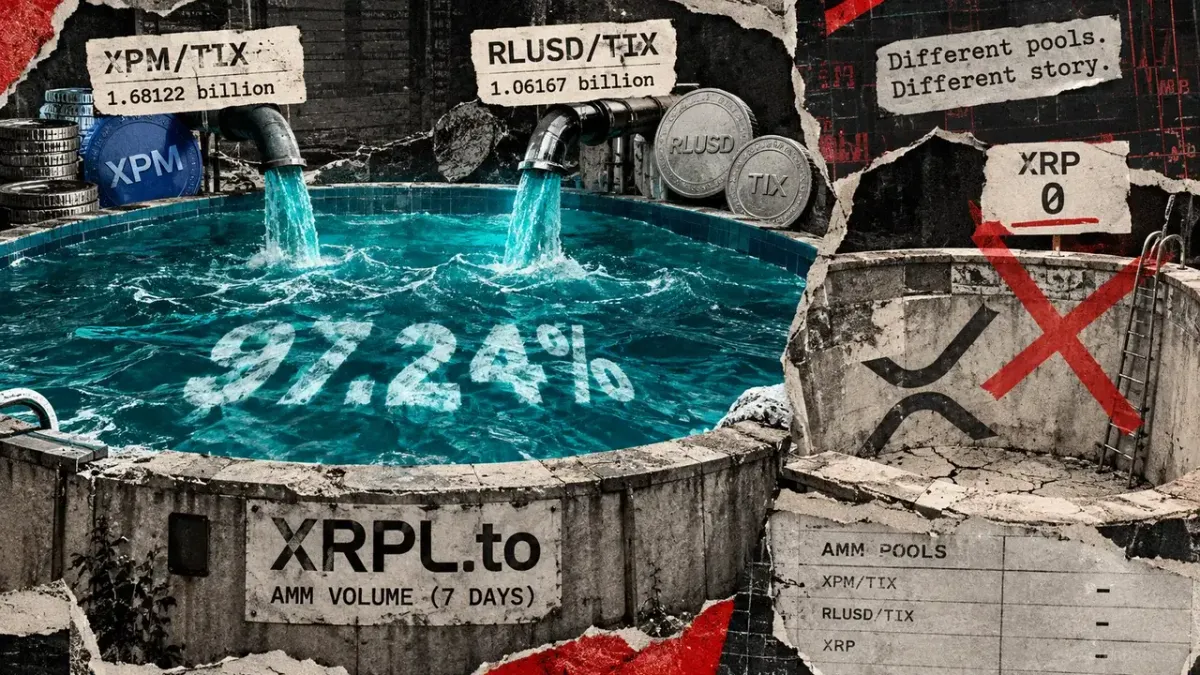
2.8 billion XRPL volume driven by just 185 trades across two obscure pools

New York's lawsuit against Polymarket seeks triple damages and penalties

TRON's lifetime volume of $30 trillion raises concerns for investors

Ondo Finance denies rumors of sale following founder Nathan Allman's death

U.S. commodities firms can invest in tokenized assets, use blockchain records: CFTC