U.S. regulator warns prediction markets against cutting corners in event contracts
The Commodity Futures Trading Commission (CFTC) has issued a new advisory aimed at prediction markets, cautioning them against the dangers of self-certification processes that could compromise the integrity of event contracts. This warning highlights concerns that some firms may be taking shortcuts in their operations, opting for a more streamlined, but less thorough, approach to self-certification rather than adhering to the detailed regulatory requirements established for derivatives trading. The advisory reinforces the importance of maintaining high standards in the market, ensuring that all contracts are compliant and transparent.
This advisory comes in the wake of growing interest in prediction markets, which have gained traction as a unique way to speculate on future events, from political outcomes to financial trends. As these markets have expanded, the CFTC has been vigilant in monitoring their operations to ensure that they operate within the legal framework. Historically, prediction markets have faced scrutiny, particularly regarding their classification under existing commodity laws. The CFTC's proactive stance is a response to the evolving landscape of digital trading platforms and the potential risks that arise when firms prioritize expediency over compliance.
The implications of this advisory are significant for the market. As the CFTC continues to emphasize the need for stringent regulatory adherence, firms operating in the prediction market space may need to reassess their compliance strategies. A failure to heed this warning could result in penalties, increased scrutiny, and a potential loss of trust from users and investors. Moreover, this advisory serves as a reminder of the broader regulatory landscape that continues to evolve in response to the rapid growth of the cryptocurrency and digital asset markets.
Industry experts have responded to the CFTC's advisory with a mixture of concern and support. Some view the warning as a necessary measure to protect the integrity of prediction markets, arguing that a commitment to rigorous standards is essential for fostering long-term growth and trust in the sector. Others, however, express concern that overly stringent regulations could stifle innovation and limit the potential of prediction markets to provide valuable insights into future events. The balance between regulation and innovation remains a critical discussion point among stakeholders.
Looking ahead, the CFTC's advisory may serve as a catalyst for further discussions on the regulatory framework surrounding prediction markets. As the industry evolves, firms will likely need to engage in dialogue with regulators to ensure their practices align with compliance expectations while continuing to innovate. It remains to be seen how this will impact the development of new platforms and features within prediction markets, but the emphasis on accountability and integrity is likely to shape the future landscape significantly.

CoinMagnetic Team
Crypto investors since 2017. We trade with our own money and test every exchange ourselves.
Updated: July 2026
From our insights:
Related news

Google Quietly Updates Privacy Policy to Let Gmail and Photos Data Feed Ads
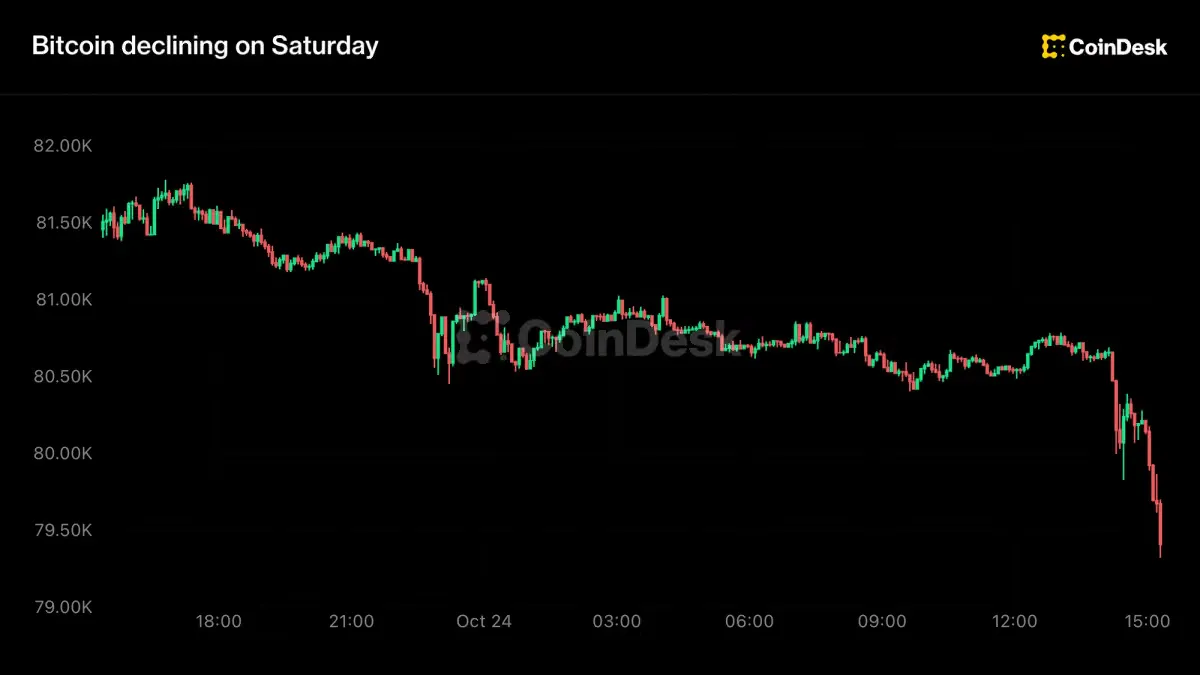
Bitcoin falls below $80,000 as U.S. evacuations heighten market pressure

Call of Duty studio discussed dropping physical discs as early as 2007

Xapo Bank CEO sees wealthy bitcoin holders favoring loans and yield strategies

IRS program overhaul targets reduced penalties for crypto and other tax violations