U.S.-Iran deal lifts equities, sends oil lower, while crypto stays wary
The recent peace deal between the U.S. and Iran has sparked a wave of optimism across global financial markets, prompting a notable rally in equities while simultaneously driving oil prices lower. This breakthrough, seen as a significant diplomatic achievement, has provided the much-anticipated stimulus that investors were hoping for. However, despite the positive momentum in traditional markets, the cryptocurrency sector remains cautious. Traders in the crypto space are approaching the situation with a degree of skepticism, having witnessed similar headlines in the past that failed to yield lasting effects.
Historically, geopolitical events have had a profound impact on market dynamics, often leading to fluctuations in asset prices. The U.S.-Iran relationship has been fraught with tension, and any signs of easing hostilities typically signal an increased appetite for riskier investments, such as equities. Conversely, commodities like oil tend to decline as the potential for conflict diminishes. This pattern has been evident in previous instances, where diplomatic negotiations led to short-lived surges in optimism. For the cryptocurrency market, however, the reaction has been more muted, as traders remain wary of overly optimistic narratives.
The cautious stance taken by crypto traders is particularly significant given the volatile nature of the market. While equities may rally in response to geopolitical developments, cryptocurrencies are influenced by a broader range of factors, including regulatory scrutiny, technological advancements, and market sentiment. The distrust among crypto traders regarding the U.S.-Iran deal highlights a growing awareness of the complexities involved in market movements. Unlike traditional assets, which can respond swiftly to news, cryptocurrencies often require a more nuanced interpretation of events and their implications.
Industry experts have weighed in on the situation, emphasizing the need for a balanced perspective. Some analysts argue that the peace deal could ultimately lead to a more stable economic environment, which might benefit all markets in the long run, including cryptocurrencies. Others, however, caution that the crypto market's inherent volatility may lead to unpredictable reactions, regardless of external factors. This sentiment reflects a broader acknowledgment within the crypto community that while traditional markets may respond predictably to geopolitical news, the same cannot be assumed for digital assets.
Looking ahead, the cryptocurrency market will likely continue to monitor the situation closely. As the implications of the U.S.-Iran deal unfold, traders will need to assess the broader economic landscape and its potential impact on digital assets. The interplay between traditional markets and cryptocurrencies will remain a topic of interest, with many anticipating that any shifts in investor sentiment could create opportunities or challenges for the crypto space. As always, staying informed and adaptable will be crucial for navigating this ever-evolving landscape.

CoinMagnetic Team
Crypto investors since 2017. We trade with our own money and test every exchange ourselves.
Updated: June 2026
From our insights:
Related news
SoFi begins stablecoin settlement on Mastercard network for program expected to exceed $25 billion in annualized volume

A $3.2 million 'bitcoin butterfly' option trade bets on $95,000 by the end of October
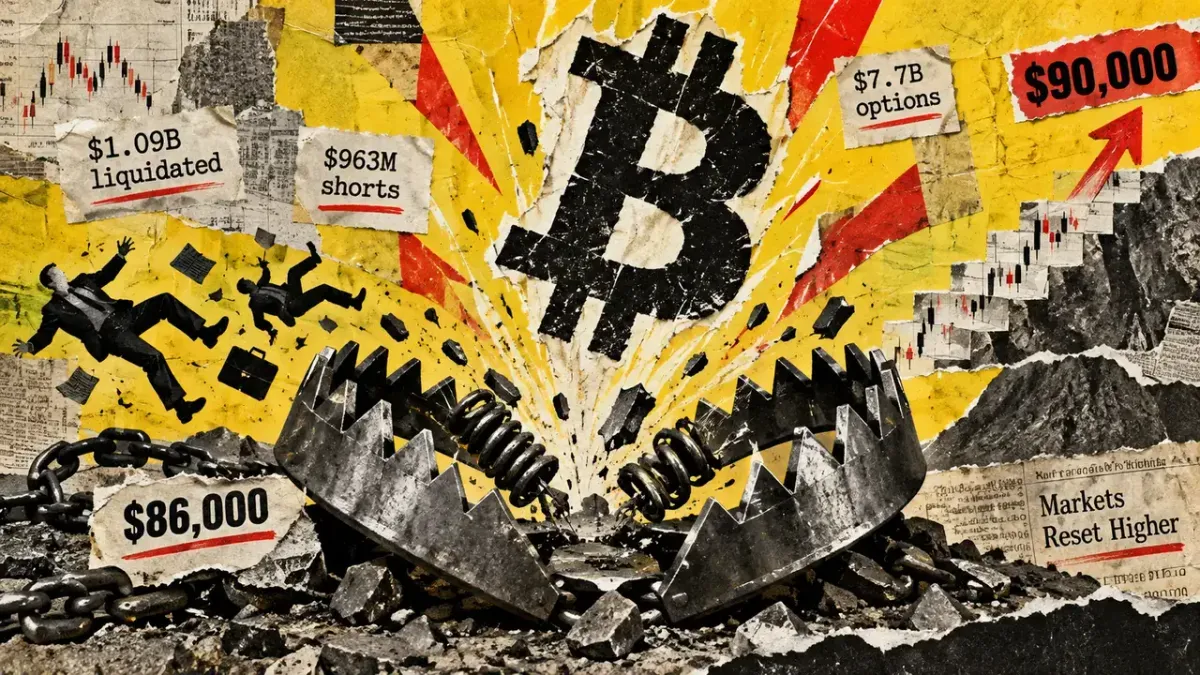
Bitcoin surges past $86,000 as $1 billion in shorts are liquidated, eyes on $90,000
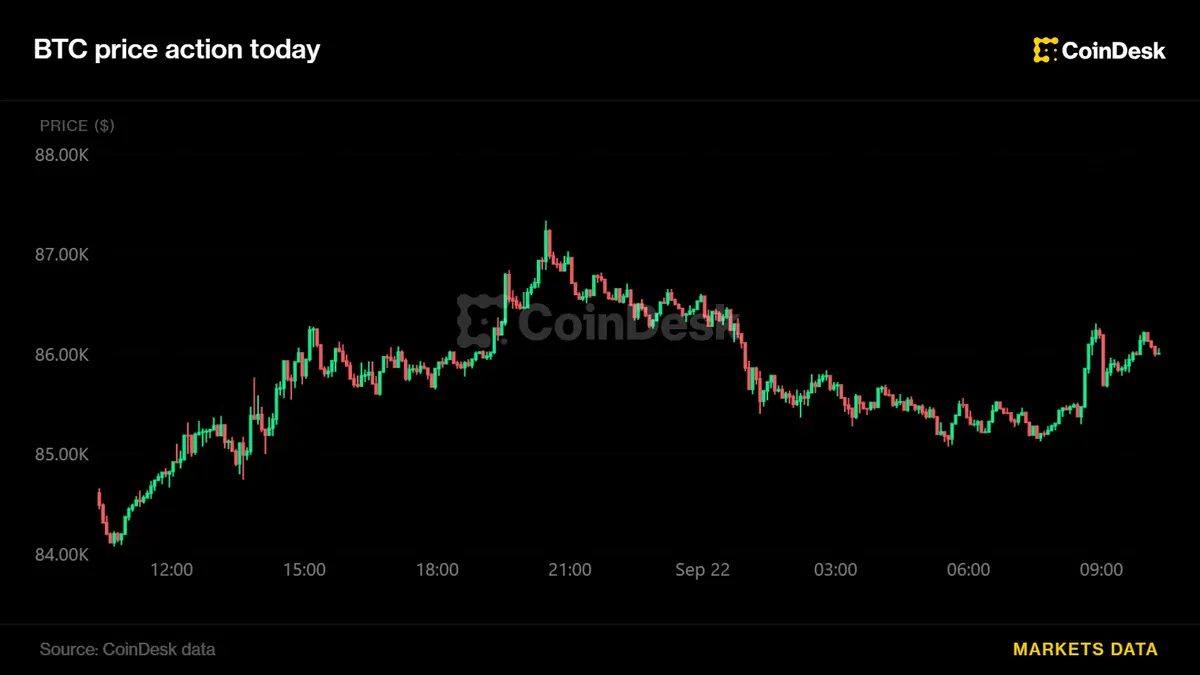
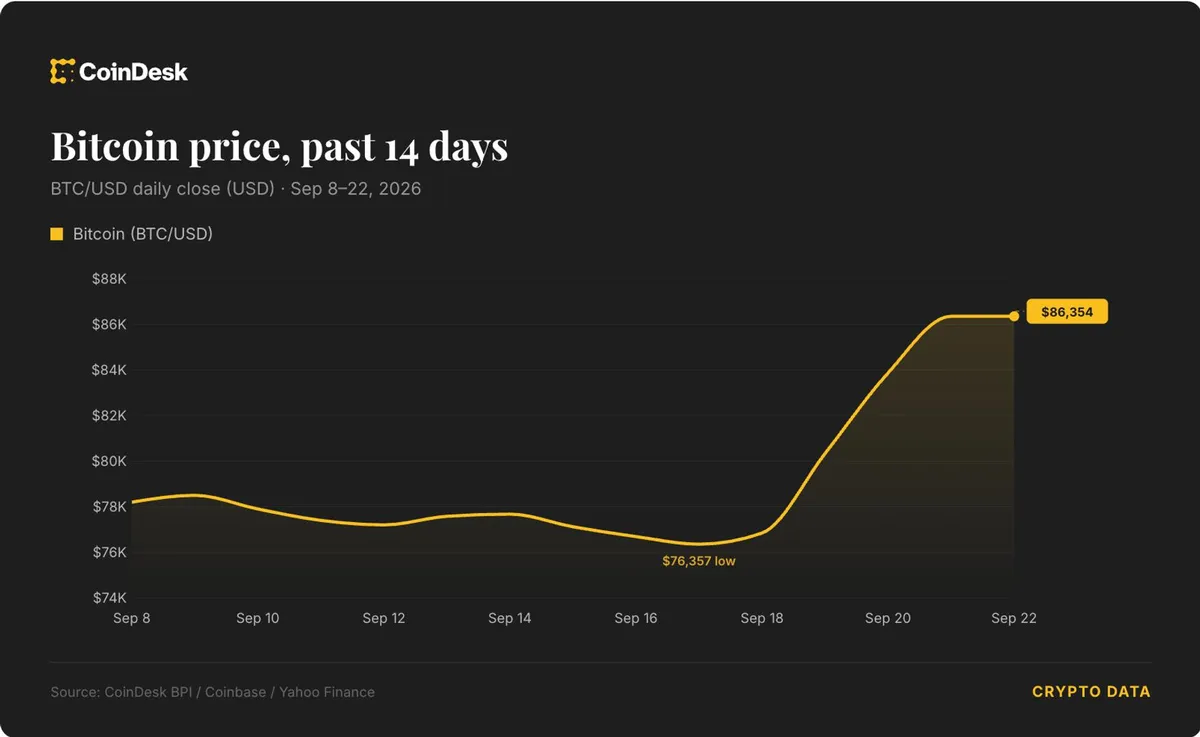
Bitcoin bounces back to $86,000 as oil prices decline and stocks rise

Prediction markets projected to reach $10 trillion by 2035, surpassing sports