U.S. House Democrat, who may soon run key committee, condemns crypto in 401(k)s
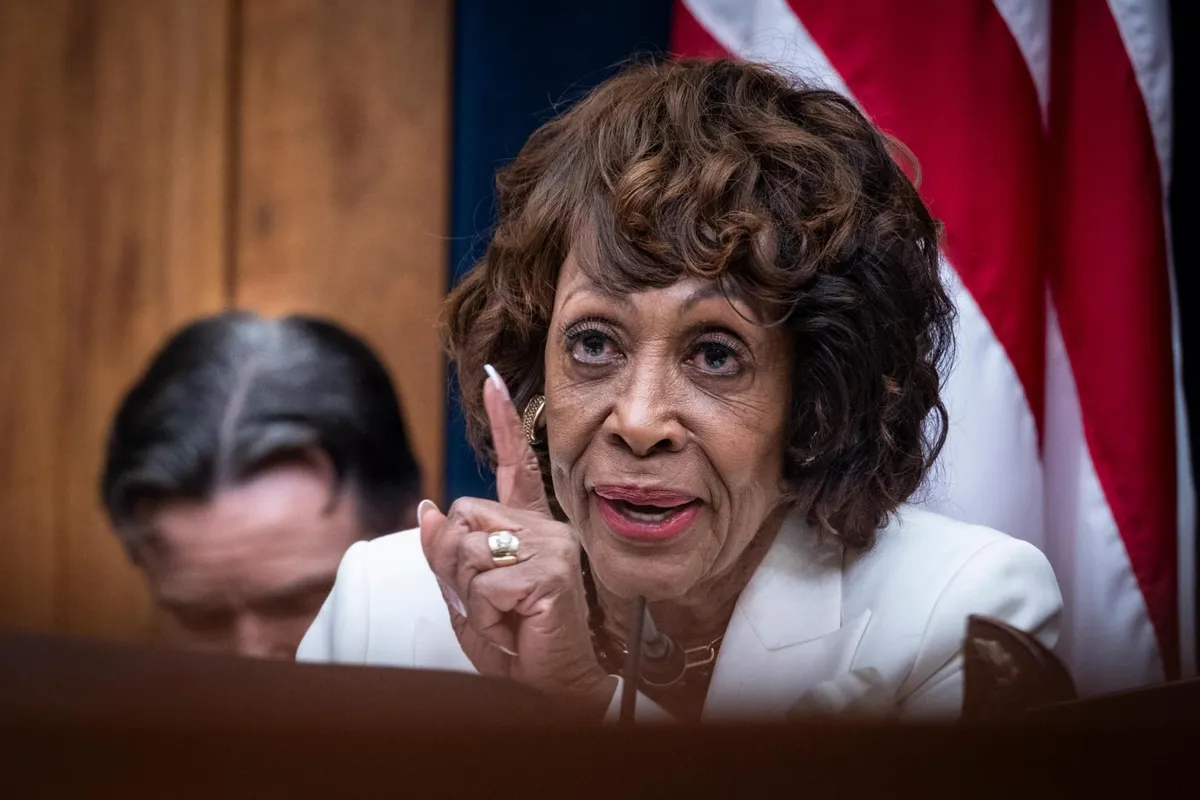
In a significant move that could impact the future of cryptocurrency in retirement savings, Maxine Waters, the ranking Democrat on the House Financial Services Committee, has publicly condemned the inclusion of cryptocurrencies in 401(k) plans. Waters has reached out to the Secretary of Labor, advocating for the withdrawal of a recent proposal that would allow plan sponsors to offer alternative assets, including digital currencies, as investment options. This pushback reflects broader concerns among lawmakers regarding the volatility and regulatory uncertainties surrounding cryptocurrencies, particularly in the context of retirement savings where long-term stability is paramount.
The backdrop to this development involves ongoing debates within Congress about the role of cryptocurrencies in the financial system. As digital assets have gained popularity, discussions have turned to how they fit into traditional financial frameworks, including retirement accounts. The Department of Labor's proposal aimed to provide more flexibility for plan sponsors, allowing them to include alternative investments that could potentially yield higher returns. However, Waters' stance highlights a growing apprehension among some lawmakers about the risks involved, especially given the recent downturns in the crypto market and the lack of comprehensive regulatory oversight.
This condemnation by Waters is expected to have a considerable impact on the market, particularly for cryptocurrencies that may have been considered for inclusion in 401(k) plans. Investors and financial institutions had begun to explore the potential for integrating digital assets into retirement savings, but this pushback may stall or entirely derail those efforts. If the Department of Labor heeds Waters' call, it could signal a more cautious regulatory approach toward cryptocurrencies in traditional financial products, potentially dissuading institutional investment in the space.
Industry reactions to Waters' statements have been mixed. Some experts argue that the inclusion of cryptocurrencies in retirement accounts could provide diversification benefits and reflect the evolving nature of investment strategies. Others support Waters' concerns, emphasizing the need for rigorous investor protections, particularly for individuals who may not fully understand the risks of investing in highly volatile assets. The debate continues to reflect the broader tension between innovation in financial technology and the regulatory safeguards necessary to protect consumers.
Looking ahead, it remains to be seen how the Department of Labor will respond to Waters' request and whether this will lead to a more cautious regulatory stance on cryptocurrencies in retirement plans. If the proposal is withdrawn, it may prompt a reevaluation of how financial institutions approach the integration of digital assets into their offerings. As lawmakers continue to grapple with the implications of cryptocurrency in traditional finance, stakeholders in the crypto market will be closely monitoring developments, anticipating further guidance on the regulatory landscape that could shape the future of digital asset investments.

CoinMagnetic Team
Crypto investors since 2017. We trade with our own money and test every exchange ourselves.
Updated: June 2026
From our insights:
Related news

Magic Eden incident places 3,832 NFTs in protective custody for safety

Solana DEX volume surge linked to circular trades and bot activity

Keonne Rodriguez and 70 others face new transfer after 30-day ordeal

2.8 billion XRPL volume driven by just 185 trades across two obscure pools

New York's lawsuit against Polymarket seeks triple damages and penalties