U.S. CFTC opens crypto 'perp' door with first approval at Kalshi

The Commodity Futures Trading Commission (CFTC) has made a significant move by approving the first regulated trading of crypto perpetual futures contracts through Kalshi, a regulated exchange. This decision marks a pivotal moment in the evolving landscape of cryptocurrency trading, as it sets the stage for U.S. firms to engage in these types of derivatives. Perpetual futures contracts are popular among traders for their ability to allow leveraged positions without any expiration date, making them particularly attractive for speculators in the volatile crypto market. The CFTC's approval indicates a growing acceptance of cryptocurrency as a legitimate asset class within the regulated financial landscape.
Historically, the regulatory environment surrounding cryptocurrencies has been fraught with uncertainty. The CFTC has been cautious in its approach, focusing on protecting investors while simultaneously promoting market integrity. This latest approval can be seen as part of a broader effort to establish a framework for crypto derivatives that aligns with existing financial regulations. Kalshi, known for its unique event contracts, is now leading the charge in bringing perpetual futures to the U.S. market, which could potentially transform how traders and institutions engage with cryptocurrencies.
The implications of this approval are substantial for the market. By legitimizing perpetual futures contracts, the CFTC is likely to encourage institutional participation in the crypto space, which has been somewhat limited due to regulatory uncertainties. Increased institutional involvement could lead to greater liquidity and price stability in the crypto markets, making them more appealing to a wider range of investors. Furthermore, this move could pave the way for other regulated exchanges to develop similar offerings, potentially expanding the range of financial products available to traders.
Industry experts have reacted positively to the CFTC's decision, viewing it as a necessary step toward fostering a more robust regulatory framework for digital assets. Many believe that this approval could serve as a model for future crypto regulations, encouraging other regulatory bodies to follow suit. Some analysts suggest that this move could also stimulate innovation within the crypto derivatives space, as firms may seek to create more products that align with the CFTC's guidelines. Overall, the sentiment is that this step represents a maturing of the crypto market and an acknowledgment of its growing significance in the broader financial ecosystem.
Looking ahead, the approval of crypto perpetual futures contracts at Kalshi could trigger a wave of similar initiatives across the industry. Other exchanges may be inspired to explore the development of regulated crypto derivatives, while financial institutions might begin to invest in infrastructure to support these products. As the regulatory landscape continues to evolve, the market will be closely watching how these developments unfold and what additional regulations may emerge in response to the growing interest in cryptocurrency derivatives. The potential for increased regulatory clarity could lead to a healthier, more sustainable crypto market in the long term.

CoinMagnetic Team
Crypto investors since 2017. We trade with our own money and test every exchange ourselves.
Updated: May 2026
From our insights:
Related news

Bitcoin's weekly close above $81,000 signals potential rise to $90,000

Elon Musk's X integrates bitcoin trading options for U.S. users
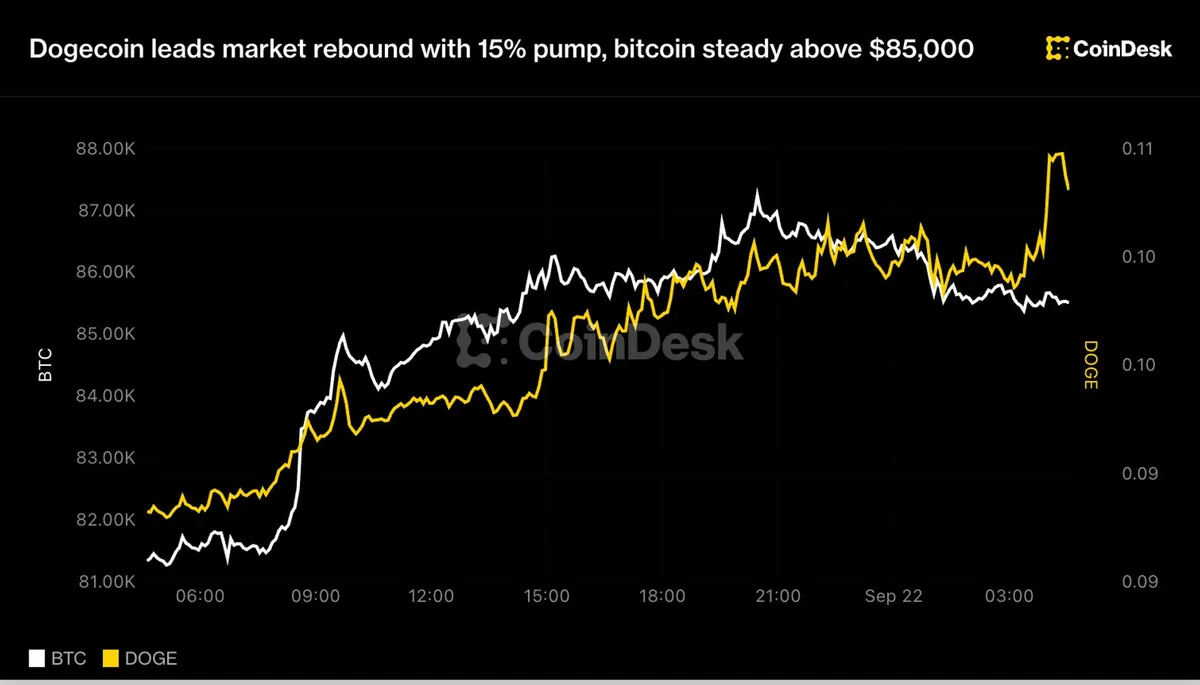
Dogecoin's 15% surge drives market recovery as bitcoin stabilizes above $85,000

Cardano adds tools for AI agent payments, joining Solana and XRP Ledger

Trueo prediction market moves from Base to Ethereum