Two Men Federally Charged Over AI Deepfake Porn Under the Take It Down Act
In a landmark case, federal prosecutors have charged two men for creating and distributing non-consensual AI-generated intimate imagery, marking one of the first significant applications of the Take It Down Act, which was enacted in 2025. This legislation specifically targets the use of artificial intelligence to generate deepfake pornography without the consent of the individuals depicted. The charges signal a growing recognition of the potential harms associated with AI technologies and underscore the legal system's response to emerging threats in the digital landscape.
The Take It Down Act was introduced as a response to increasing concerns about privacy and consent in the age of rapid technological advancement. With AI's ability to create hyper-realistic digital content, the risk of exploitation has escalated. This law aims to provide individuals with legal recourse against the misuse of their likenesses, especially in contexts that can lead to significant personal and reputational harm. As deepfake technology becomes more accessible, laws like the Take It Down Act are essential in safeguarding individuals from potential abuses.
The implications of this case extend beyond the individuals charged; they reflect a critical juncture for the cryptocurrency and tech markets, particularly as they intersect with legal frameworks surrounding digital content creation. The enforcement of such laws could lead to increased scrutiny of AI applications and their compliance with privacy regulations. Investors and companies in the tech space should be mindful of the evolving legal landscape as it may influence the development and deployment of AI technologies, potentially shaping market dynamics in the near future.
Industry experts have weighed in on the significance of these charges, emphasizing the importance of establishing clear legal standards around AI-generated content. Some argue that this case could set a precedent for future legal actions against creators of harmful deepfake content. Others stress the need for ongoing dialogue about ethical AI use and the responsibilities of developers in preventing misuse. The consensus appears to be that while technology continues to advance, regulations must keep pace to protect individuals' rights and well-being.
Looking ahead, we anticipate that this case will spark further legal challenges and discussions about the ethical implications of AI technology. As more cases emerge, there may be a push for additional regulations or amendments to existing laws to address the complexities of AI-generated content. Stakeholders across the tech and legal sectors will need to collaborate to establish frameworks that not only curb misuse but also promote responsible innovation in a rapidly evolving digital landscape.

CoinMagnetic Team
Crypto investors since 2017. We trade with our own money and test every exchange ourselves.
Updated: May 2026
From our insights:
Related news
US investigates Binance for potential Iran-linked trading violations
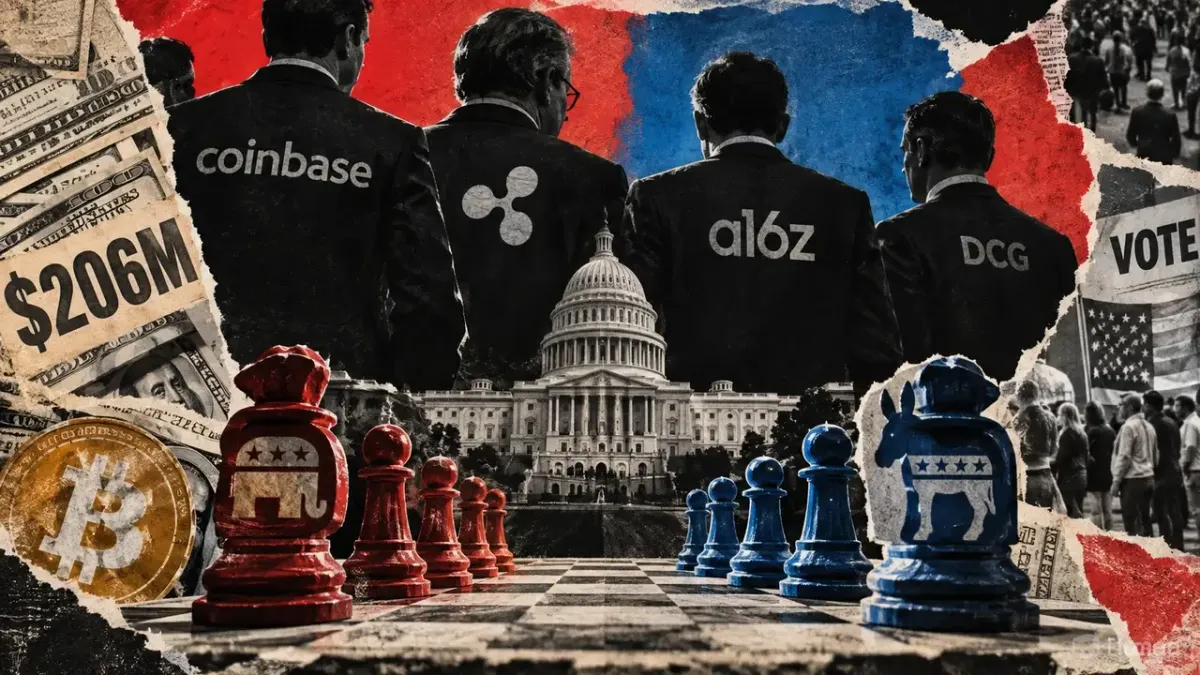
Crypto sector emerges as top donor with $206 million in midterms backing
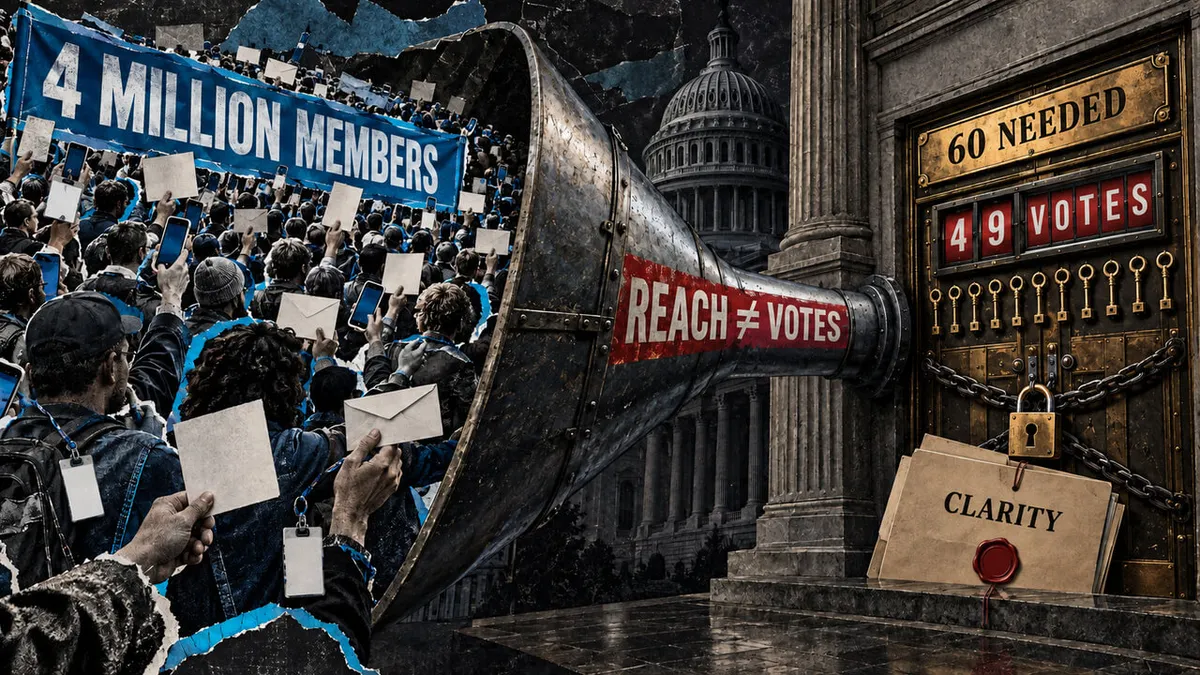
Stand With Crypto’s 4 million registered advocates couldn’t get the CLARITY Act through the Senate

Kakao Pay, KakaoBank to explore stablecoin opportunities with Fireblocks

US Attorney's investigation into Binance focuses on Iran sanctions compliance