Trump Won't Sign Housing Bill With CBDC Ban—Will It Become Law Tonight Anyway?
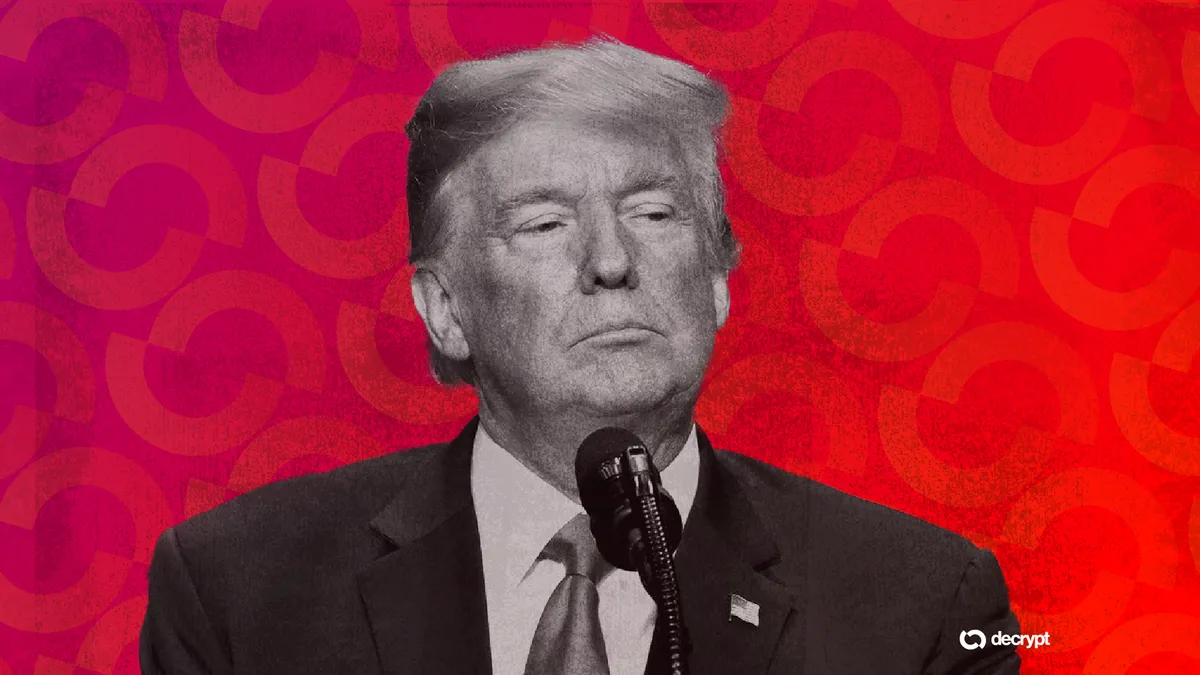
In a significant turn of events, President Trump has indicated he will not sign a housing bill that includes a ban on the Federal Reserve's development of a Central Bank Digital Currency (CBDC) until 2031. With the clock ticking down to midnight, the bill is poised to become law automatically unless the President decides to veto it. This situation has created a whirlwind of speculation within both political and financial circles, as the implications of such a ban could reshape the landscape of digital finance in the United States for nearly a decade.
The context of this situation is rooted in the growing debate surrounding CBDCs and their potential impact on the economy. Advocates argue that a CBDC could streamline transactions and enhance monetary policy, while critics warn of privacy concerns and the possibility of undermining the traditional banking system. The housing bill, which encompasses various provisions aimed at addressing housing affordability and availability, unexpectedly included this CBDC ban, reflecting a broader skepticism towards digital currencies among certain political factions.
This development matters for the market as it could set a precedent for how digital currencies are treated by the government. A long-term ban on CBDCs may stifle innovation in the digital currency space and deter investments in related technologies. Conversely, it could bolster the position of cryptocurrencies, which operate outside the purview of central banks, as they may be viewed as more desirable alternatives. Investors and companies involved in digital finance are closely monitoring this situation, as it could significantly influence market sentiment and investor strategies.
Industry reactions have been mixed, with some experts expressing relief at the potential delay of a CBDC, while others worry about the long-term implications for the digital currency ecosystem. Some analysts argue that a ban could hinder the U.S.'s competitive edge in the global digital economy, especially as other countries explore or implement their own CBDCs. Moreover, financial institutions and fintech companies are recalibrating their strategies as they await clarity on the government's stance regarding digital currencies.
Looking ahead, the next steps depend heavily on President Trump's decision. If he does not veto the bill, it will become law, solidifying the ban and possibly prompting further discussions in Congress about the future of digital currency regulation. Alternatively, if he chooses to veto it, the stage will be set for a renewed debate on the role of the Federal Reserve in digital currencies. Either way, stakeholders in the financial sector will need to remain agile and prepared for a rapidly evolving landscape shaped by this legislative development.

CoinMagnetic Team
Crypto investors since 2017. We trade with our own money and test every exchange ourselves.
Updated: July 2026
From our insights:
Related news

NFL aligns with states and Gensler against federal oversight of prediction markets

Korea's crypto market profile highlights regulatory environment for 2026

EU regulators mandate removal of unauthorized stablecoins in 3 months

Tokenized shares of Apple, Nvidia and Tesla to trade on Solana via Securitize

EU lawmakers include crypto in anti-corruption strategy discussions