Trump teleprompter operator accused over Kalshi bets leaves government: AP
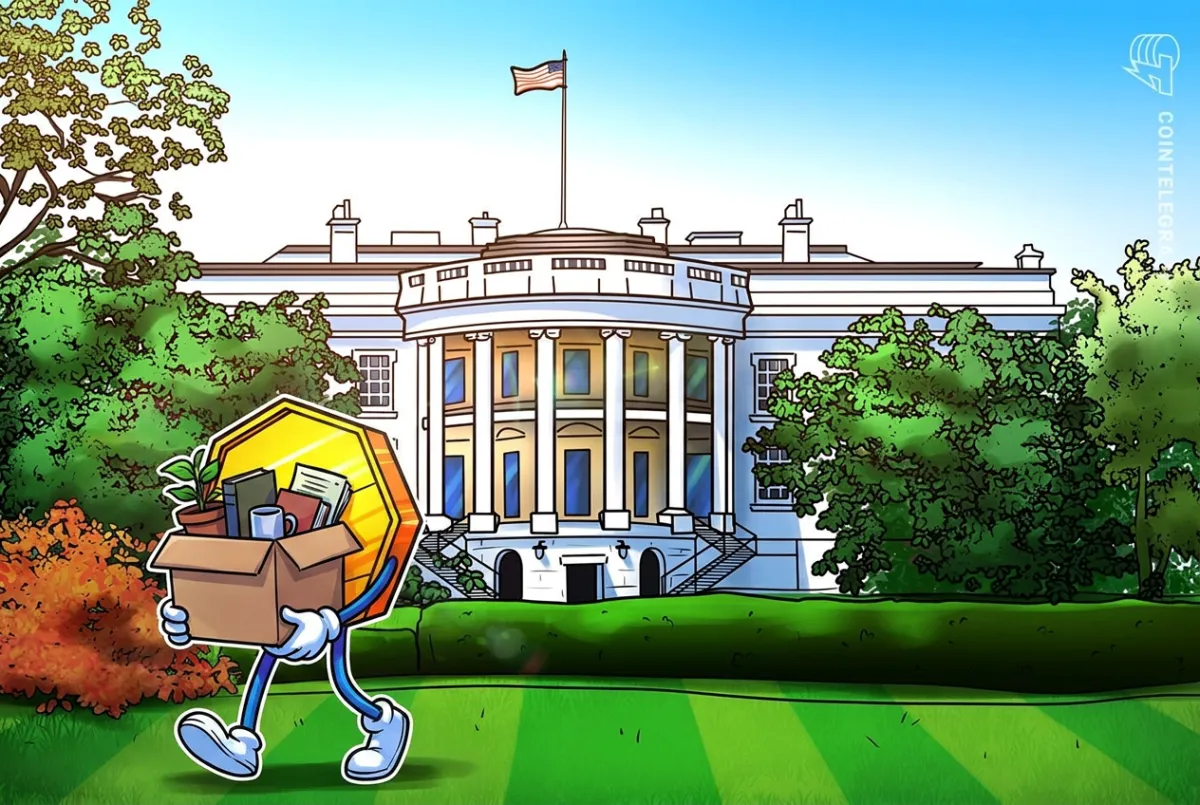
Gabriel Perez, the teleprompter operator for former President Donald Trump, has reportedly left his position within the federal government following allegations of profiting from bets placed on Kalshi–a prediction market platform–linked to Trump's speeches. The accusations against Perez center around claims that he had insider knowledge of the content of the speeches, which he allegedly used to his advantage by placing bets on the outcomes of various statements. The situation has raised significant ethical questions regarding the intersection of public service and private financial gain.
The background of this incident highlights the growing scrutiny of prediction markets and their role in political events. Kalshi allows users to bet on the outcomes of various events, including political speeches, making it a unique element in the broader landscape of financial markets. This case has drawn attention not only because of the implications for Perez but also due to the potential risks associated with insider knowledge in such markets. As prediction platforms gain traction, the need for regulatory oversight becomes increasingly pressing to ensure fair practices.
This matter is particularly significant for the market as it underscores the delicate balance between political events and financial speculation. The credibility of prediction markets could be jeopardized by such allegations, especially if it is perceived that insiders can manipulate outcomes for personal gain. This incident serves as a reminder of the ethical responsibilities that come with positions of influence, particularly in high-stakes environments like federal government roles, and raises questions about the integrity of prediction markets at large.
Industry experts have weighed in on the implications of this situation, emphasizing the potential for increased regulation in prediction markets. Some analysts believe that this incident could prompt lawmakers to take a closer look at the operational frameworks of platforms like Kalshi, potentially leading to new guidelines aimed at preventing insider trading practices. Others suggest that this could deter participants from engaging with prediction markets, fearing similar accusations or ethical dilemmas.
Looking ahead, it remains to be seen how regulatory bodies will respond to this incident and whether there will be changes in how prediction markets operate. As the discussion around ethical standards in financial speculation continues to evolve, stakeholders in the crypto and finance sectors will be watching closely for any developments that may emerge from this case. The outcome could have lasting implications not only for Kalshi but also for the broader landscape of prediction markets and their role in political and economic forecasting.

CoinMagnetic Team
Crypto investors since 2017. We trade with our own money and test every exchange ourselves.
Updated: July 2026
From our insights:
Related news

Investor predicting AI boom now sees bitcoin reaching $57,000
Galaxy points to ETF demand and US debt as drivers for bitcoin accumulation

StoneX sees 34 percent upside for Strive after fresh equity bolsters reserves

OpenAI drops GPT-6.1 Terra prices by 50% while improving app control

Injective debuts GPU rental futures to track Nvidia computing costs