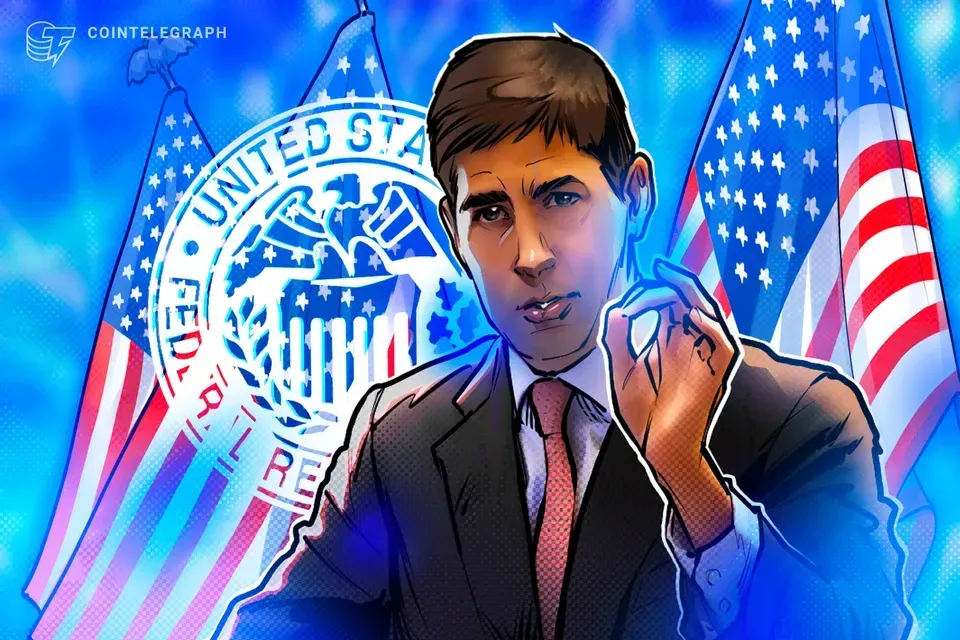
Trump targets Brazil's payments system while dollar stablecoins are quietly overtaking country's payments
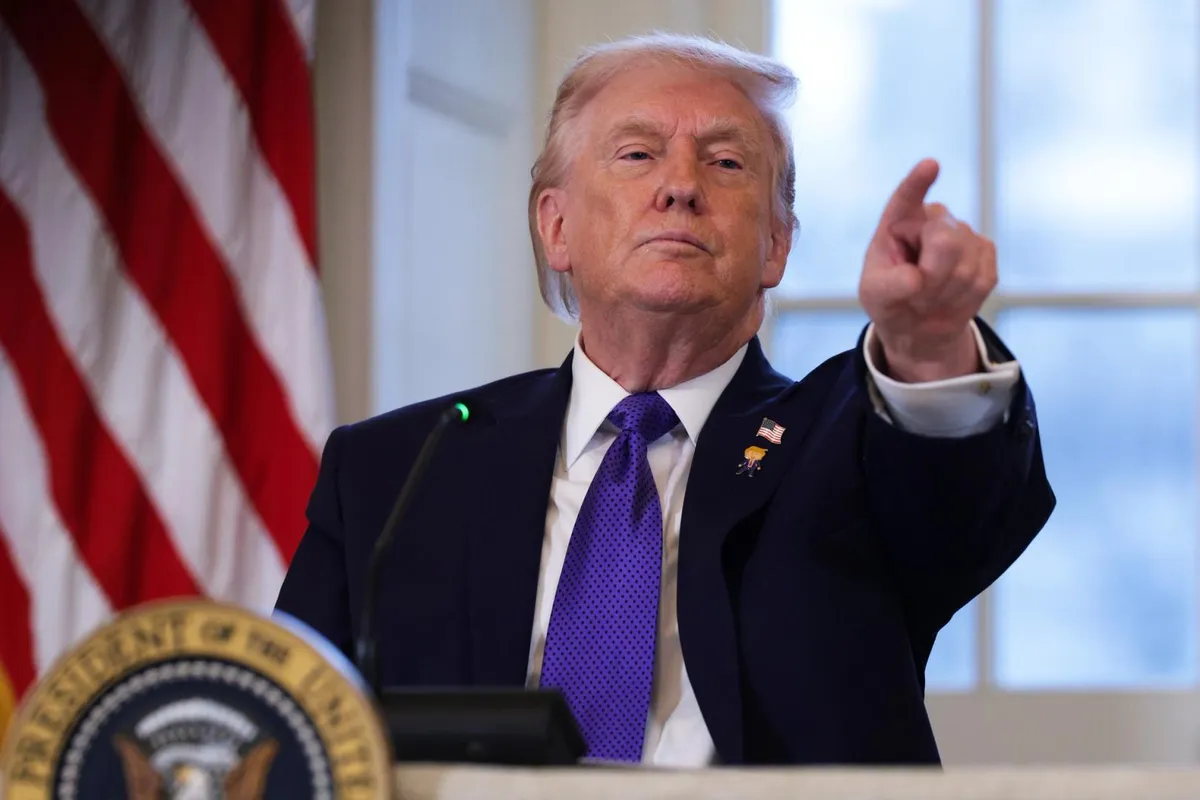
Recently, former President Donald Trump has directed attention towards Brazil's payment systems, particularly highlighting the government's promotion of non-dollar payment channels. This includes the country's burgeoning instant payment system, Pix, and the increasing use of stablecoins, which are pegged to various currencies, including the U.S. dollar. Washington perceives these developments as a potential threat to the dominance of the dollar in international trade. As Brazil explores alternatives to dollar-centric transactions, concerns are rising among U.S. policymakers about the implications for the global financial landscape.
To understand the significance of these developments, it is essential to consider Brazil's economic context. The country has been actively promoting its Pix payment system since its launch in late 2020, aiming to facilitate faster and more efficient transactions. At the same time, the adoption of stablecoins has surged, with approximately 90% of Brazil's crypto transactions linked to dollar-pegged assets. This trend reflects broader shifts in the global economy, where countries are increasingly seeking financial sovereignty and exploring alternatives to the U.S. dollar, especially in the wake of geopolitical tensions and economic sanctions.
The implications of Brazil moving towards non-dollar payment systems are substantial for the market. As Brazil is one of the largest economies in Latin America, its shift could inspire other nations to follow suit, potentially undermining the dollar's status as the world's primary reserve currency. If more countries adopt similar strategies, it could lead to a gradual decline in the dollar's influence in international trade. This shift may also increase volatility in the crypto market, as stablecoins become more integral to transactions within Brazil and beyond.
Industry experts have weighed in on this issue, with many acknowledging the complexities of the situation. Some analysts argue that Brazil's move could accelerate the adoption of blockchain technology and digital currencies, fostering innovation within the financial sector. Others caution that while the use of stablecoins may offer efficiency, it also raises concerns around regulation, security, and potential market manipulation. The consensus seems to be that this trend will continue to evolve, with significant implications for both traditional finance and the cryptocurrency landscape.
Looking ahead, it will be crucial to monitor how Brazil's government responds to U.S. concerns and whether it will continue to promote its payment systems in the face of potential pressure. Additionally, the influence of stablecoins in Brazil's economy could prompt further regulatory discussions, both domestically and internationally. As the situation develops, stakeholders across the financial spectrum will need to remain vigilant, as the outcomes could reshape not only Brazil's economic landscape but also the global financial order.

CoinMagnetic Team
Crypto investors since 2017. We trade with our own money and test every exchange ourselves.
Updated: July 2026
From our insights:
Related news

TD Cowen raises Strive stock target by 27 percent following bitcoin plans

Tesla Roadster Rocket with SpaceX thrusters delayed to 2028 and limited to invite-only

CERT-In tests show autonomous AI agents accessing private Indian corporate data
CFTC's attempt to void Gemini's $5M settlement rejected by judge
Technical indicators point to ongoing bullish momentum for bitcoin