Trump signs orders to build a quantum computer and protect against the one that could break encryption

The White House has made a significant move in the realm of technology and cybersecurity by issuing two executive orders aimed at advancing the United States' capabilities in quantum computing. The first order focuses on accelerating the development of large-scale quantum computers, which have the potential to revolutionize various sectors by solving complex problems far beyond the reach of classical computers. The second order seeks to bolster defenses against quantum computers that could potentially break current encryption standards, raising concerns about data security in the digital age. This dual approach reflects a strategic recognition of the opportunities and challenges that quantum technology presents.
The context for these orders lies in the rapid advancement of quantum computing technology over the last few years. Major tech companies and research institutions have made significant strides, leading to growing concerns about the implications for cryptography and data security. Traditional encryption methods, such as RSA and ECC, rely on the computational difficulty of certain mathematical problems, which quantum computers could solve efficiently. As these machines become more capable, the urgency to develop robust defenses against their potential threat has become increasingly apparent.
This initiative matters significantly for the market, particularly within sectors reliant on data security, such as finance, healthcare, and government. As quantum computing evolves, it is crucial for companies and institutions to proactively adapt their security measures. The executive orders signal a commitment by the U.S. government to remain a leader in this emerging field while addressing the security vulnerabilities that quantum technology may introduce. This could lead to increased investment in cybersecurity solutions and quantum-resistant encryption methods, shaping the future landscape of digital security.
Industry reactions have been mixed, with some experts applauding the proactive approach while others express concerns about the potential for a quantum arms race. Cybersecurity professionals emphasize the necessity for ongoing research and development in quantum-resistant algorithms to safeguard sensitive information. Additionally, some voices within the tech community caution against overhyping the potential of quantum computers, arguing that practical applications might still be years away. Nevertheless, the consensus is that a strategic approach to quantum technology will be crucial for maintaining security and competitiveness in the digital economy.
Looking ahead, we can expect heightened collaboration between government agencies, private sector companies, and academic institutions as they work to realize the goals outlined in these executive orders. The commitment to advancing quantum computing research alongside the development of protective measures will likely spur innovation and create new opportunities in the tech industry. As this landscape evolves, stakeholders will need to remain vigilant and adaptable to harness the benefits of quantum technology while mitigating its risks.

CoinMagnetic Team
Crypto investors since 2017. We trade with our own money and test every exchange ourselves.
Updated: June 2026
From our insights:
Related news

Bitcoin's weekly close above $81,000 signals potential rise to $90,000

Elon Musk's X integrates bitcoin trading options for U.S. users
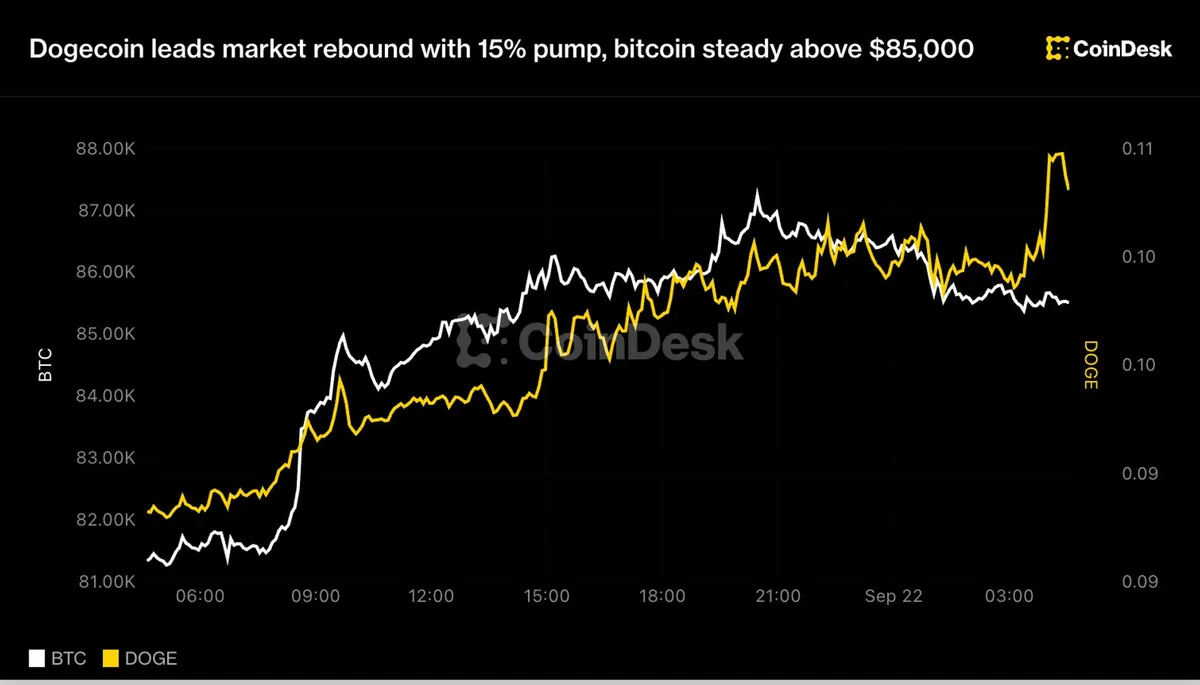
Dogecoin's 15% surge drives market recovery as bitcoin stabilizes above $85,000

Cardano adds tools for AI agent payments, joining Solana and XRP Ledger

Trueo prediction market moves from Base to Ethereum