Trump signs executive orders setting 2031 deadline for post-quantum migration

In a significant move to bolster national security, former President Donald Trump has signed executive orders mandating a transition to post-quantum cryptography (PQC) for all federal high-value assets and systems by the end of 2031. This decision comes in light of increasing concerns about the potential threat posed by quantum computing to traditional cryptographic systems. The orders aim to secure sensitive government data against the capabilities of quantum computers, which could potentially break the encryption methods currently in use. This transition will require government agencies to adopt new cryptographic standards that are resilient against quantum attacks, marking a crucial shift in the landscape of cybersecurity.
The background to this decision lies in the rapid advancement of quantum computing technology, which has the potential to revolutionize various fields, including cryptography. Traditional encryption methods, such as RSA and ECC, are vulnerable to quantum algorithms like Shor’s algorithm, which can factor large numbers and solve elliptic curve problems exponentially faster than classical computers. As researchers and tech companies race to develop quantum computers, the urgency for a robust quantum-resistant cryptographic framework has become increasingly apparent. The signing of these executive orders reflects a proactive approach to safeguarding national security and protecting sensitive information from future quantum threats.
The implications of this move extend beyond just governmental operations; it also has significant ramifications for the wider cryptocurrency and blockchain industry. As cryptocurrencies and blockchain technologies rely heavily on cryptographic principles for security and integrity, the advent of quantum computing poses a potential risk to their foundational structures. The push towards post-quantum cryptography could lead to a more secure future for digital currencies and decentralized finance (DeFi) systems, reassuring users and investors alike. This transition may incentivize further developments in quantum-resistant protocols, potentially reshaping the landscape of digital assets.
Industry experts have largely welcomed this initiative, emphasizing the importance of proactive measures in the face of emerging technologies. Many cryptographers and cybersecurity professionals recognize the necessity of transitioning to post-quantum standards to mitigate risks associated with quantum computing. Some have pointed out that although the 2031 deadline may appear distant, the complexity of implementing new cryptographic systems across federal agencies will require substantial planning and collaboration. The move is seen as a crucial opportunity for the tech industry to innovate and develop solutions that not only address quantum threats but also enhance overall cybersecurity practices.
Looking ahead, the focus will likely shift towards the development and standardization of post-quantum cryptographic algorithms. As federal agencies begin to assess their existing systems and prepare for the transition, discussions around best practices and potential challenges will become increasingly relevant. The next few years will be critical for both government and industry stakeholders as they work towards establishing a secure infrastructure capable of withstanding the challenges posed by quantum computing. This executive order could act as a catalyst for broader adoption and innovation in post-quantum cryptography, setting a precedent for global cybersecurity standards in the age of quantum technology.

CoinMagnetic Team
Crypto investors since 2017. We trade with our own money and test every exchange ourselves.
Updated: June 2026
From our insights:
Related news

SoFi begins stablecoin settlement on Mastercard network for program expected to exceed $25 billion in annualized volume

A $3.2 million 'bitcoin butterfly' option trade bets on $95,000 by the end of October

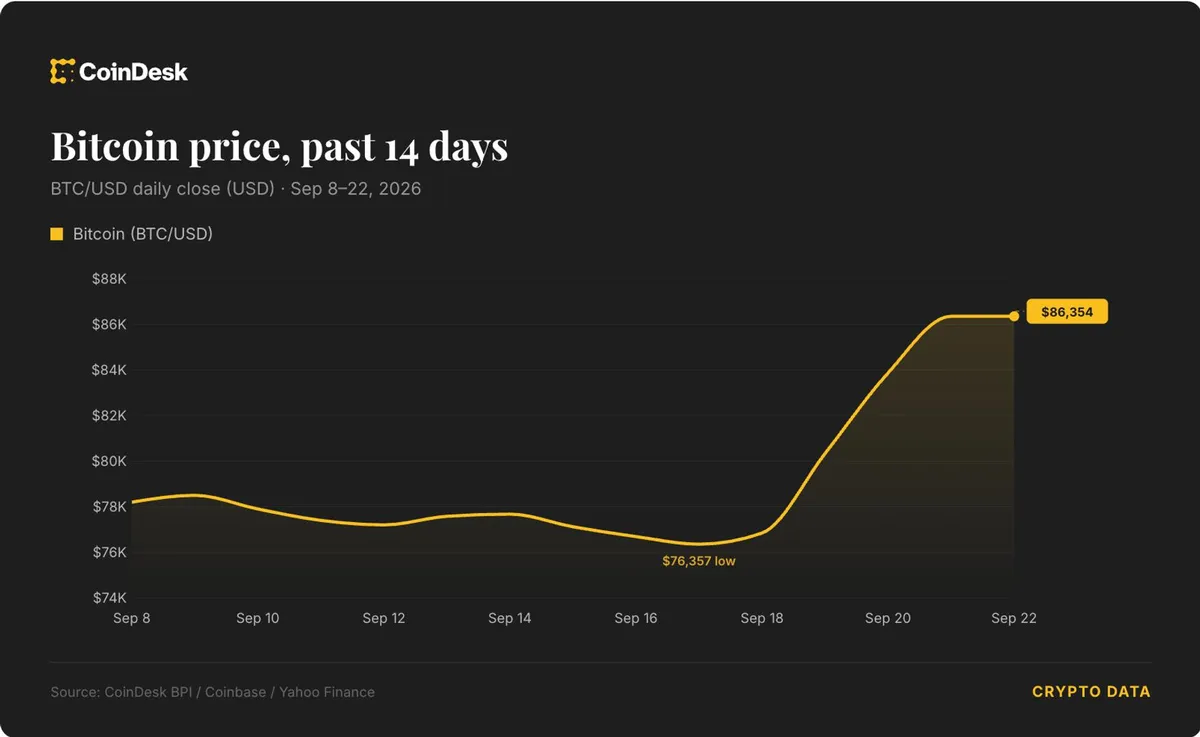
Bitcoin surges past $86,000 as $1 billion in shorts are liquidated, eyes on $90,000
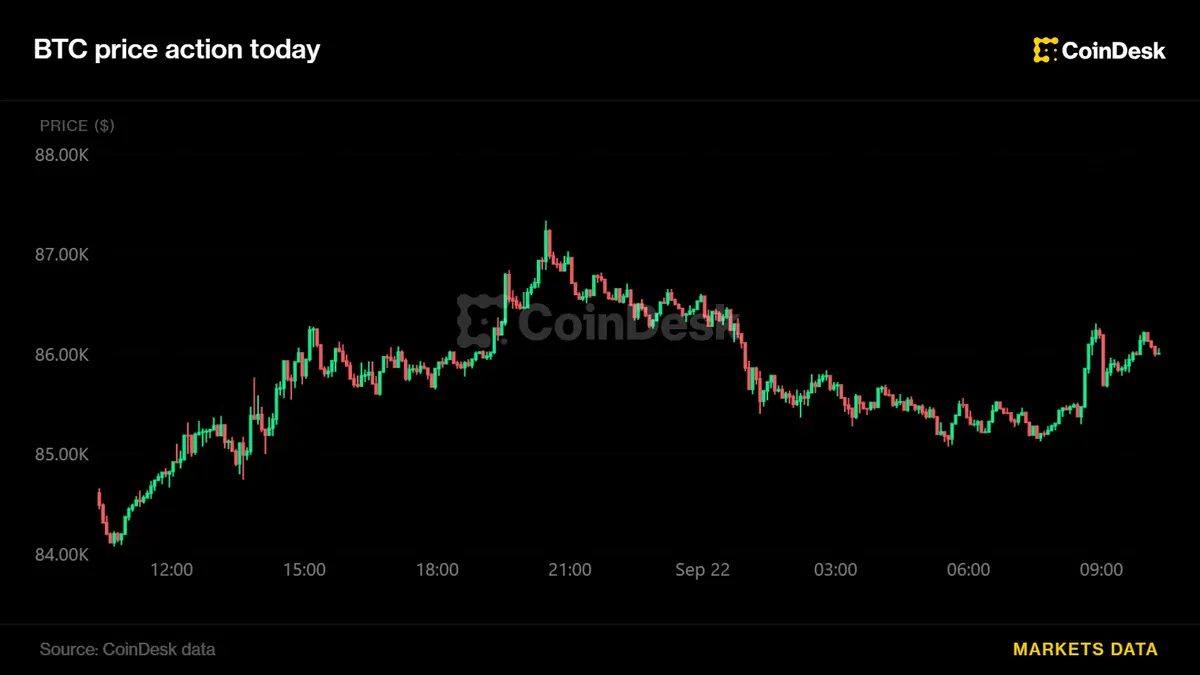
Bitcoin bounces back to $86,000 as oil prices decline and stocks rise

Prediction markets projected to reach $10 trillion by 2035, surpassing sports