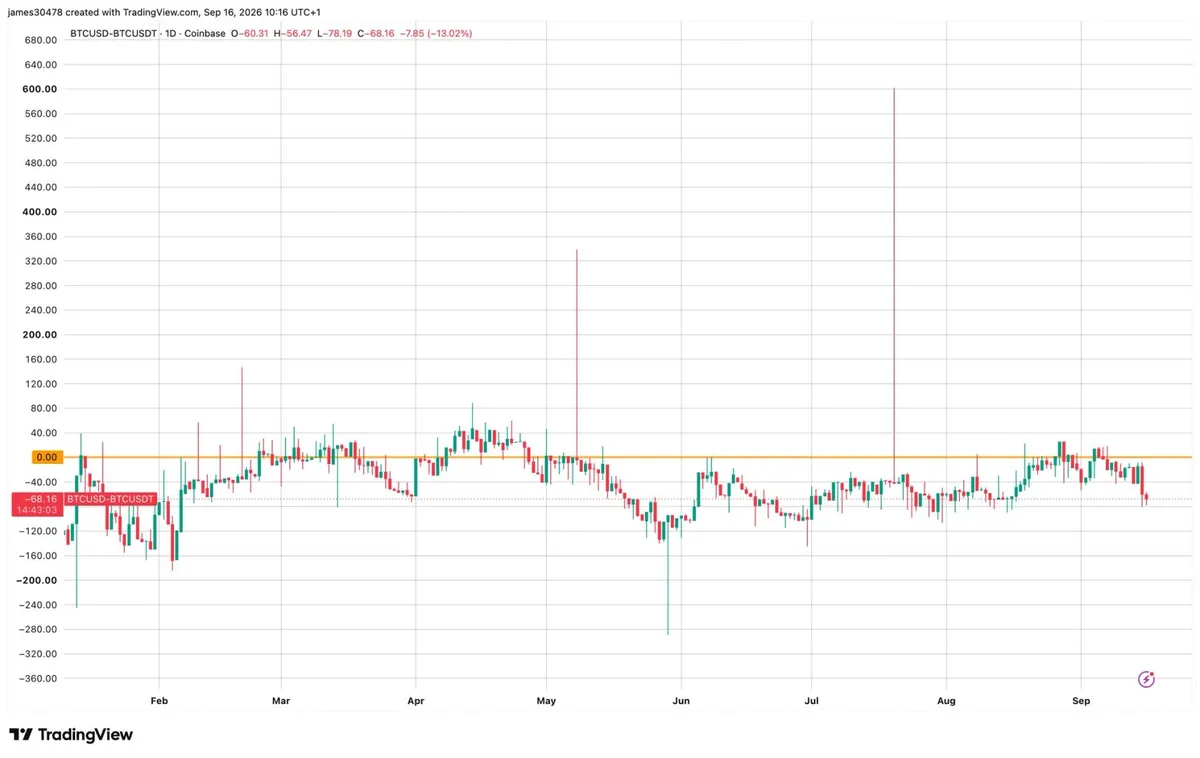
Trump’s legal loophole around the Supreme Court is keeping inflation alive – and trapping Bitcoin in the Fed’s crosshairs
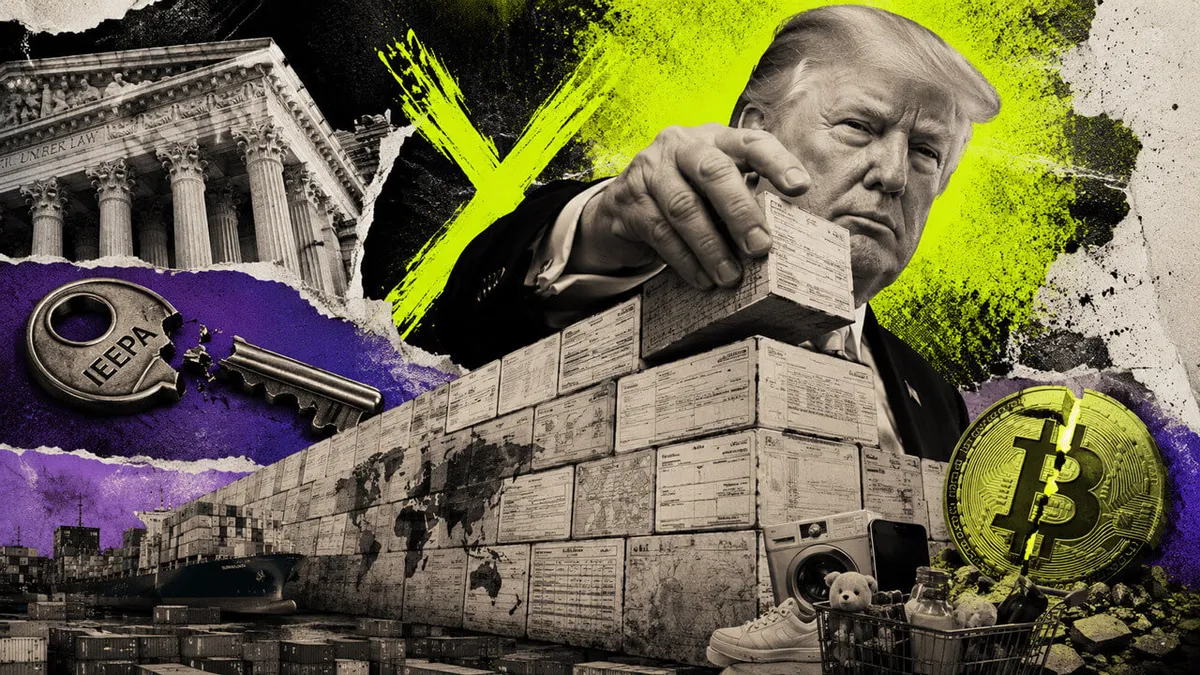
In a recent development, former President Donald Trump appears to be leveraging a loophole in legal interpretations surrounding tariffs, which could have broader implications for inflation and the cryptocurrency market, particularly Bitcoin. Following a Supreme Court ruling in February that stated Trump lacked the authority to impose tariffs through the emergency law he previously invoked, the response from Washington has not been as straightforward as one might expect. Instead of viewing this ruling as a definitive barrier, the administration's approach has been more flexible, utilizing alternative avenues to maintain pressure on inflation, which in turn impacts economic conditions relevant to Bitcoin and other cryptocurrencies.
The context of this situation stems from a complex interplay of trade policies and economic strategies that have been in play since Trump's presidency. His administration's use of emergency powers to impose tariffs was met with mixed responses from both the public and various economic experts. While the Supreme Court's decision aimed to clarify the limits of executive power, the ongoing economic challenges, including persistent inflation, have prompted policymakers to seek unconventional methods to stabilize the economy. This has resulted in a scenario where inflation remains high, influencing investor sentiment and market dynamics.
For the cryptocurrency market, particularly Bitcoin, this legal maneuvering adds another layer of uncertainty. As inflation persists, traditional investors may look to Bitcoin as a hedge against economic instability. However, the Federal Reserve's focus on curbing inflation could lead to tighter monetary policies, which historically have negatively affected cryptocurrency prices. The juxtaposition of ongoing inflation and potential regulatory shifts creates a challenging environment for Bitcoin, as it tries to navigate these turbulent economic waters while maintaining its appeal as a store of value.
Industry experts have weighed in on the situation, indicating that the implications of Trump's legal tactics could resonate beyond the immediate economic effects. Some analysts suggest that if inflation continues unabated, it could lead to increased interest in Bitcoin and other digital assets as alternative investments. Conversely, others warn that any aggressive moves from the Fed to combat inflation could suppress market enthusiasm for cryptocurrencies, leading to volatility. The general consensus is that the interplay between legal decisions, economic policy, and investor behavior will be crucial for the future of Bitcoin and the broader crypto landscape.
Looking ahead, the evolving legal and economic landscape will likely continue to shape the relationship between inflation and cryptocurrency. As more developments unfold, particularly in the realm of fiscal policy and potential regulatory changes, the crypto market will need to adapt to these shifts. Investors should remain vigilant and informed as they navigate this complex environment, anticipating how both macroeconomic factors and legal interpretations will influence the trajectory of Bitcoin and the broader cryptocurrency market.

CoinMagnetic Team
Crypto investors since 2017. We trade with our own money and test every exchange ourselves.
Updated: August 2026
From our insights:
Related news

JPMorgan indicates Clarity Act has slim chance of passing this year

Zuckerberg defends Meta's AI development pace amid calls for slowdown
Clarity Act setback paves way for stablecoin rewards on idle balances, Bernstein predicts swift SEC action
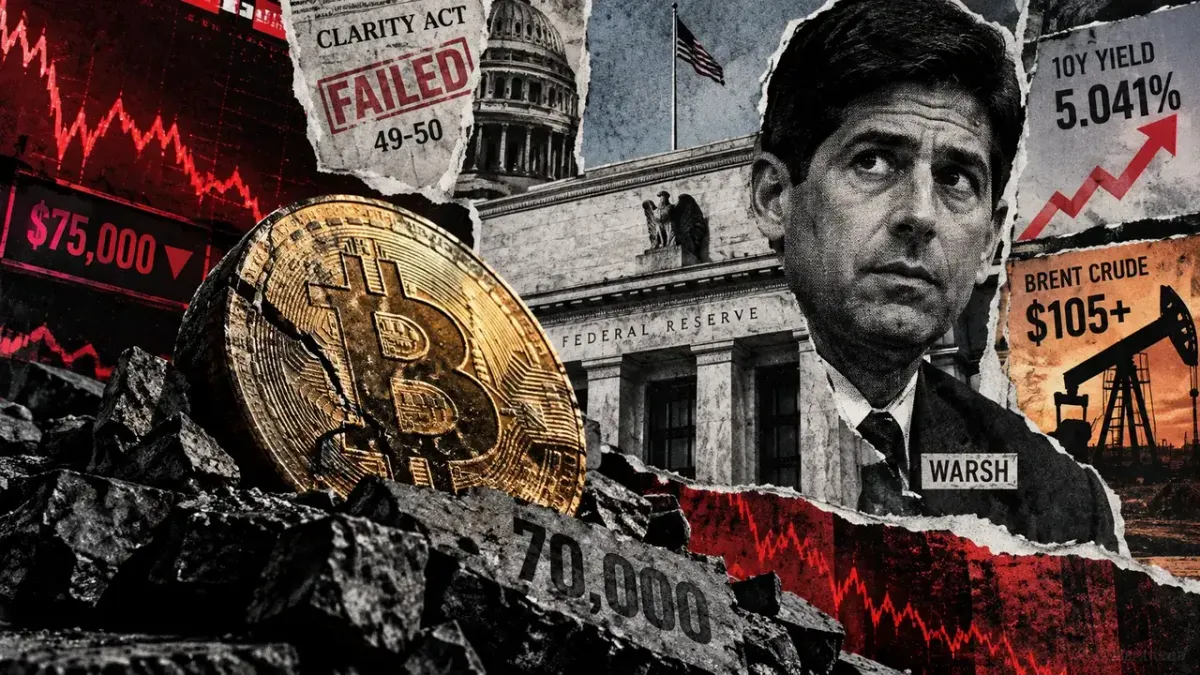
Bitcoin tests $70K after sell-off as Senate fails to advance CLARITY Act

Bitcoin Core 32 enters final testing with faster validation, fee changes and security fixes