Trump's crypto riches loom over Clarity Act talks to ban conflicts for U.S. officials
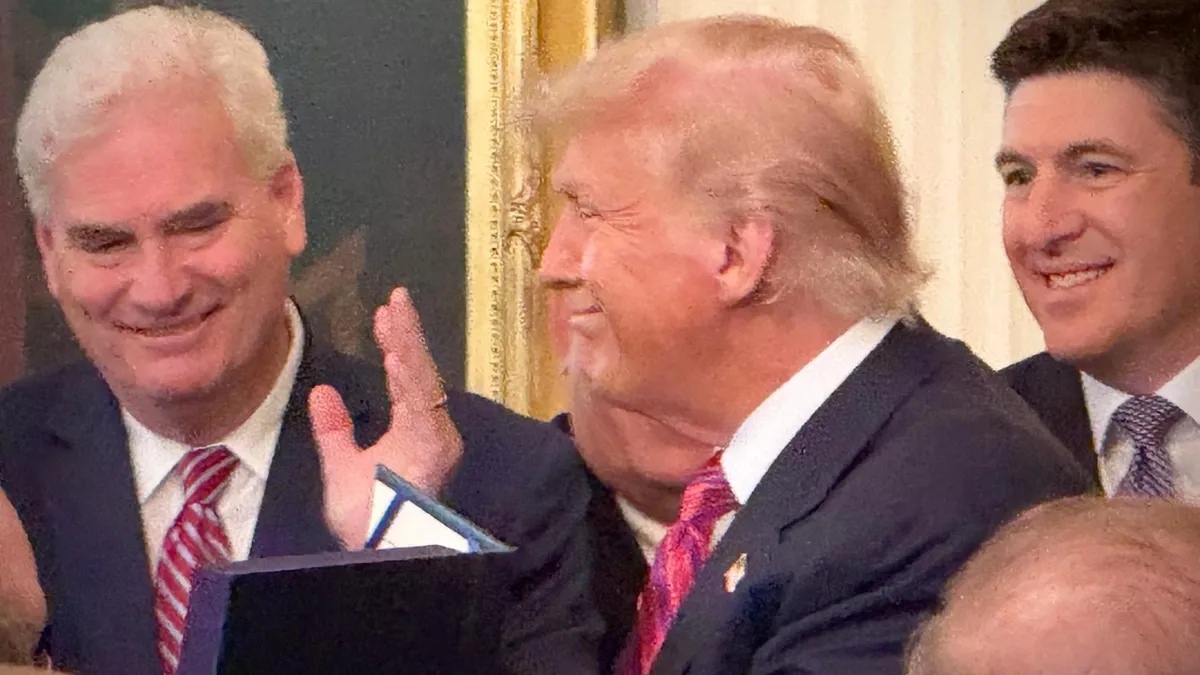
Recent discussions among Democratic lawmakers regarding the proposed crypto market structure bill have taken a turn towards the ethical implications of cryptocurrency holdings, particularly focusing on former President Trump's financial interests. As negotiations on the Clarity Act continue, the debate has highlighted the need for clear regulations that prevent conflicts of interest for U.S. officials. The Clarity Act aims to establish a comprehensive framework for the cryptocurrency market, but the potential for personal financial gain by those in power has raised eyebrows and intensified scrutiny.
The backdrop to this debate is the rapid evolution of the cryptocurrency landscape, which has outpaced existing regulatory frameworks. As digital assets gain mainstream acceptance, the potential for conflicts of interest among government officials becomes a pressing concern. Trump's financial entanglements in the crypto space have emerged as a focal point, with opponents arguing that any personal investment by public officials could undermine the integrity of regulatory processes. This context has set the stage for a broader discussion on the need for transparency and accountability within the legislative process.
The significance of this conversation cannot be understated, as it has implications for market confidence and regulatory clarity. Investors often look for stability and integrity in the regulatory environment, and any perception of corruption or self-dealing can lead to market volatility. By addressing these ethical concerns head-on, lawmakers may help to foster a more trustworthy environment for both current and future participants in the cryptocurrency market. If the Clarity Act includes stringent provisions against conflicts of interest, it could signal to investors that the government is committed to fair oversight.
Industry reactions have been mixed, with some experts advocating for stricter regulations to preserve public trust, while others caution against overreach that could stifle innovation. Proponents of a clear regulatory framework argue that transparency is essential not only for the integrity of the market but also for the long-term growth potential of the industry. Conversely, some industry players worry that too much regulation could hinder the agile nature of cryptocurrencies, which thrive on decentralization and innovation.
Looking ahead, the outcome of these discussions will be pivotal for the future of cryptocurrency regulation in the U.S. If the Clarity Act is successfully passed with strong ethics provisions, it could set a precedent for how similar legislation is approached in the future. However, if the concerns surrounding conflicts of interest remain unresolved, it may lead to further distrust among investors and hinder the regulatory progress necessary for the maturation of the cryptocurrency market. As these talks continue, all eyes will be on how lawmakers balance ethical considerations with the need for a robust and dynamic regulatory environment.

CoinMagnetic Team
Crypto investors since 2017. We trade with our own money and test every exchange ourselves.
Updated: July 2026
From our insights:
Related news

Jeonbuk Bank rolls out corporate bitcoin-backed loans using third-party custody

Financial Stability Board highlights stablecoin and AI threats for G20 leaders

France proposes 10,000 euro fines for undeclared crypto wallets exceeding 112K
Regulatory stalemate creates unexpected room for decentralized finance growth

IMF spots rising demand for tokenized stocks amid persistent market risks