Trump’s crypto ethics stance leaves Clarity Act negotiations in limbo
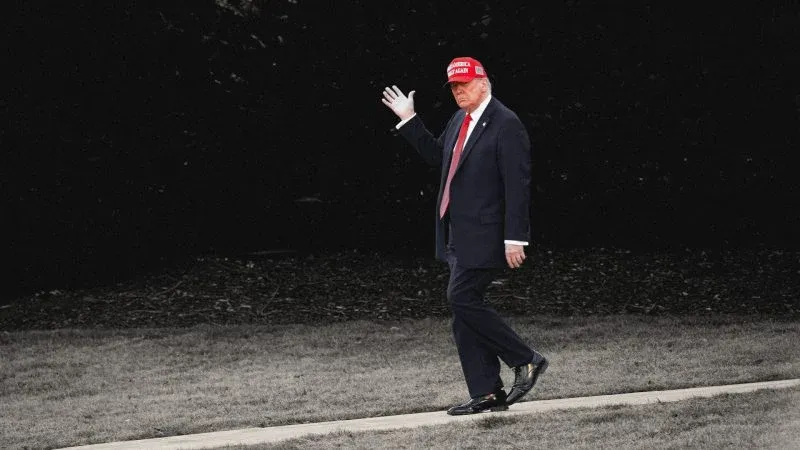
Negotiations surrounding the Clarity Act were recently thrown into disarray following a meeting that aimed to address a significant ethics provision related to President Trump's extensive cryptocurrency holdings. This situation has left many stakeholders in the crypto industry puzzled, as details of the discussions have remained largely undisclosed. The meeting was expected to clarify potential conflicts of interest and outline a framework for how public officials should manage their digital asset investments. However, the lack of transparency has raised concerns about how this uncertainty could impact the broader legislative landscape for cryptocurrencies.
The Clarity Act was introduced to provide much-needed regulatory guidance to the rapidly evolving crypto sector, which has often operated in a legal gray area. As regulators and legislators scramble to catch up with the pace of innovation, the inclusion of an ethics provision becomes increasingly critical–especially when major political figures like Trump hold substantial crypto assets. This has brought the intersection of politics and cryptocurrency into sharp focus, as many wonder whether personal financial interests could influence policy decisions. The growing importance of ethical considerations in governance has amplified the urgency for a clear framework that can accommodate both regulatory oversight and the interests of public officials.
The implications of this stalled negotiation extend beyond just Trump’s personal holdings; they could significantly impact the market's perception of regulatory stability. Market participants often react to news about potential regulations, and the uncertainty surrounding the Clarity Act could lead to volatility as stakeholders assess the potential outcomes. A strong, clear regulatory framework could foster greater confidence in the crypto markets, encouraging investment and innovation. Conversely, continued ambiguity could deter participation and exacerbate the already cautious approach many institutional investors are taking toward digital assets.
Industry reactions to the stalled negotiations have varied, with some experts advocating for a more robust ethical framework for public officials involved in cryptocurrency. They argue that such measures are essential for maintaining public trust and ensuring that policy decisions are made in the best interest of the public rather than for personal gain. Others, however, caution against overly stringent measures that could stifle innovation and drive crypto investments underground. The ongoing debate highlights the delicate balance lawmakers must strike between fostering an environment conducive to growth and ensuring ethical governance.
Looking ahead, the future of the Clarity Act and its associated provisions remains uncertain. As negotiations continue, it will be crucial for stakeholders to engage in open dialogue and push for transparency in the process. The outcome will likely set a precedent for how the government addresses cryptocurrency regulation in the future. Whether these discussions lead to a resolution or further complications will be closely monitored by both investors and industry leaders, as the stakes for the crypto ecosystem are higher than ever.

CoinMagnetic Team
Crypto investors since 2017. We trade with our own money and test every exchange ourselves.
Updated: July 2026
From our insights:
Related news

World introduces banking identity checks to combat AI fraud risks

Gibraltar DLT licence lets Revolut scale global crypto operations

South Korea finance officials plan crypto exchange talks following tax delay bill

World ID for Zoom launched to detect deepfakes in video calls

Latvian parliament targets 2027 for new crypto withdrawal tax system