Trump promised to save crypto, but his personal business might kill its landmark CLARITY law
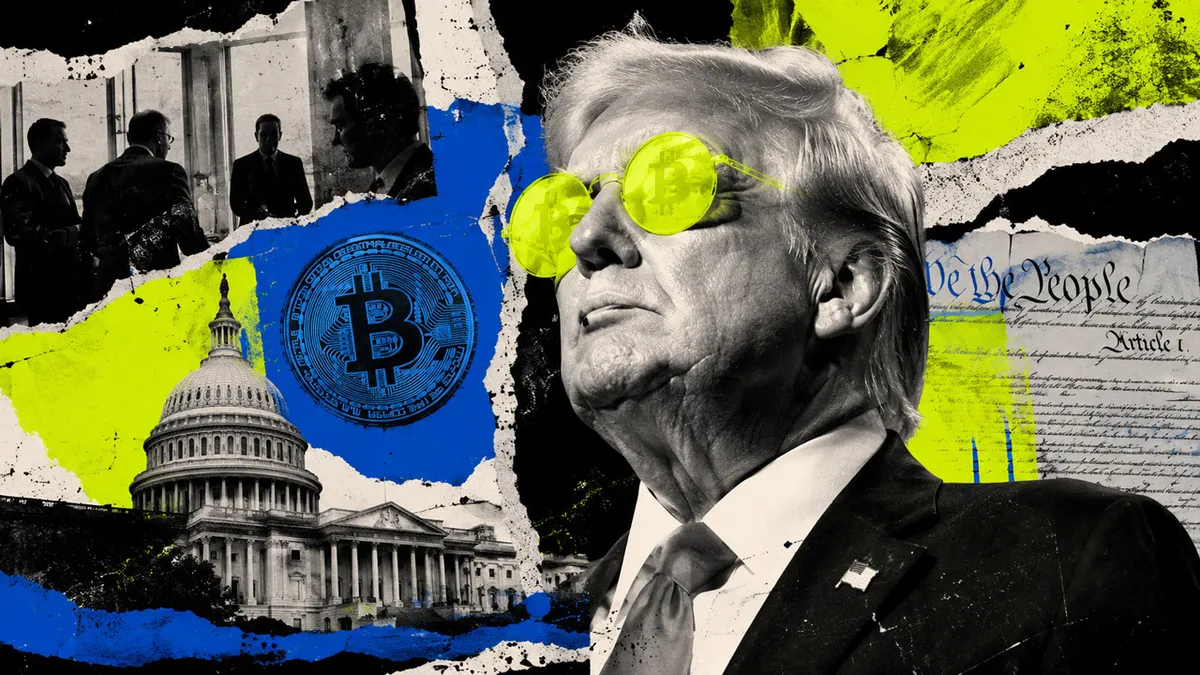
Recent developments in the ongoing negotiations surrounding the CLARITY Act, a significant piece of legislation aimed at providing a regulatory framework for digital assets, have introduced a contentious condition that could jeopardize its passage. Senate negotiators have encountered resistance from several Democrats who insist on incorporating ethics provisions that would limit the financial benefits senior officials–including the president and vice president–can derive from digital asset ventures. This demand reflects broader concerns regarding conflicts of interest, especially in light of former President Donald Trump’s personal business ties to the crypto industry.
The CLARITY Act has been viewed as a potential game-changer for the cryptocurrency market, offering clarity on how digital assets are classified and regulated. Its aim is to create a supportive environment for innovation while simultaneously addressing regulatory concerns. However, the introduction of ethics language stems from a context where crypto advocates have raised alarms about the implications of high-ranking officials profiting from a sector that is still grappling with regulatory uncertainties. As the 2024 election approaches, these issues become more pronounced, with various stakeholders cautioning against potential conflicts that could undermine the integrity of U.S. governance.
This development carries significant implications for the cryptocurrency market, which has been yearning for regulatory clarity and stability. Should the CLARITY Act stall or be significantly altered due to these ethics concerns, the market may experience heightened uncertainty. Investors and companies within the crypto space could react negatively, potentially leading to increased volatility. The timing is crucial; with the market already sensitive to regulatory news, any setback in the legislative process could further dampen investor sentiment.
Industry reaction has been mixed, with some experts praising the push for ethical standards as a necessary safeguard, while others caution that it could hinder legislative progress. Proponents argue that establishing clear boundaries for public officials is essential for maintaining trust in the regulatory process. Conversely, critics warn that such requirements could complicate negotiations and delay the implementation of much-needed regulations that could benefit the crypto ecosystem. This divide reflects the broader tension within the crypto community regarding governance, regulation, and innovation.
Looking ahead, the fate of the CLARITY Act remains uncertain as negotiations continue. Stakeholders will need to navigate the delicate balance between establishing ethical guidelines and ensuring that the legislation can move forward without significant delays. As the discussions unfold, the industry will be watching closely, as the outcome could set a precedent for how the U.S. approaches cryptocurrency regulation in the future. The coming weeks will be critical in determining whether the CLARITY Act can achieve the bipartisan support necessary to pass, and what that ultimately means for the future of digital assets in the United States.

CoinMagnetic Team
Crypto investors since 2017. We trade with our own money and test every exchange ourselves.
Updated: July 2026
From our insights:
Related news
CFTC steps in to halt Utah litigation over prediction market event contracts

Akamai joins major tech firms in offering cybersecurity tools for autonomous AI
CFTC targets Utah in legal bid to defend Kalshi prediction market oversight

Kalshi and Polymarket pitch non-election contracts at NEXTPredict

Robinhood earnings call may address challenges in tokenized stock sector