Trump Orders Acceleration of Quantum Readiness as Bitcoin Faces Coming Risk

President Donald Trump recently made headlines by signing two executive orders that focus on enhancing the United States' quantum computing capabilities and accelerating the transition to quantum-resistant encryption. This initiative comes at a time when the potential risks posed by quantum computing to current encryption methods–particularly those used in cryptocurrencies like Bitcoin–are becoming increasingly apparent. The orders aim to foster collaboration between federal agencies, private industry, and academia to ensure that the U.S. remains at the forefront of quantum technology.
The backdrop to this development is a growing awareness of the threats that quantum computing could pose to the existing digital infrastructure. Cryptographic techniques, which underpin the security of cryptocurrencies and other digital assets, are susceptible to advances in quantum computing. As quantum processors become more powerful, they could potentially break the cryptographic protocols that secure Bitcoin and other cryptocurrencies, rendering them vulnerable to hacking and fraud. This concern has prompted calls for a proactive approach to quantum readiness in order to safeguard digital assets.
This significant move by the Trump administration could have far-reaching implications for the cryptocurrency market. As the news of these executive orders spreads, it may instill confidence among investors and stakeholders that the U.S. is taking the necessary steps to protect digital currencies from quantum threats. A commitment to quantum-resistant encryption could lead to a more stable environment for cryptocurrencies, which have been known to experience volatility due to security concerns. The proactive stance taken by the government may also encourage other nations to follow suit, potentially leading to a global race toward quantum security.
Industry reactions have been varied, with some experts welcoming the government's focus on quantum readiness while others express skepticism about the timing and effectiveness of such initiatives. Cryptography experts have pointed out that while transitioning to quantum-resistant encryption is essential, it is a complex process that requires extensive research and collaboration. Additionally, some in the cryptocurrency community argue that the focus should be on improving existing security measures rather than solely preparing for future threats.
Looking ahead, the acceleration of quantum computing capabilities is likely to shape not only the landscape of digital currencies but also the broader technology sector. As the U.S. government puts plans into motion, we can expect increased investment in quantum research and development, as well as partnerships between technology companies and academic institutions. The next steps will be crucial in determining how effectively these initiatives can mitigate the risks posed by quantum computing, and whether the cryptocurrency market can adapt to emerging security challenges.

CoinMagnetic Team
Crypto investors since 2017. We trade with our own money and test every exchange ourselves.
Updated: June 2026
From our insights:
Related news

Bitcoin's weekly close above $81,000 signals potential rise to $90,000

Elon Musk's X integrates bitcoin trading options for U.S. users
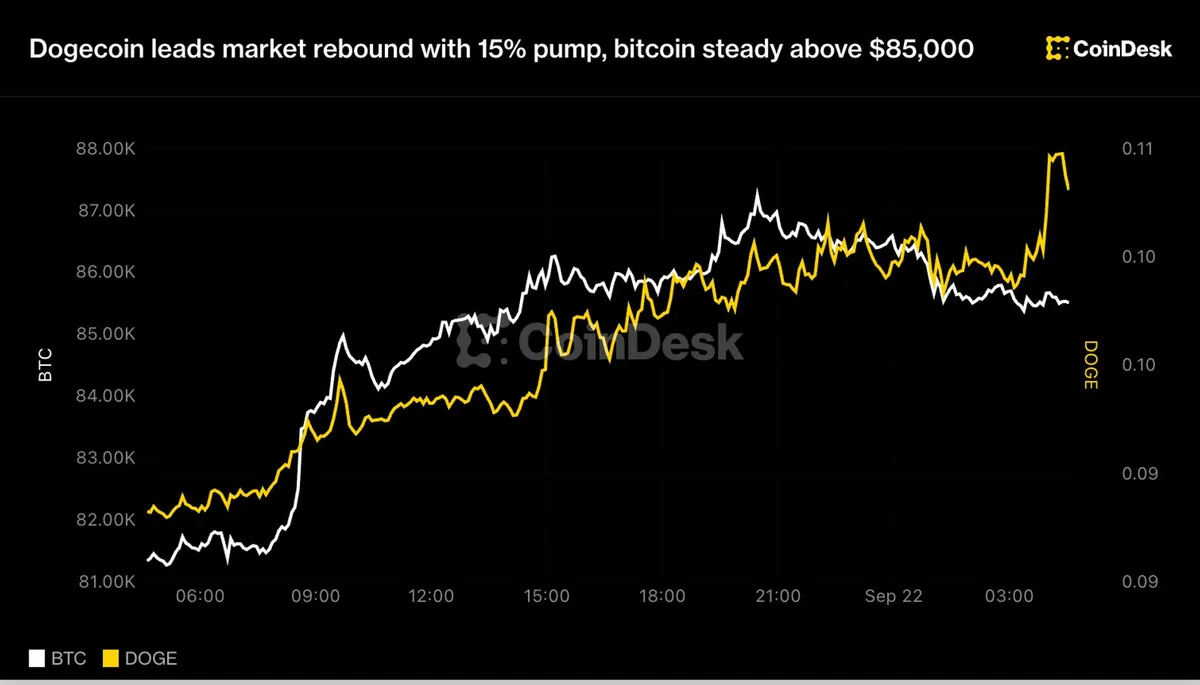
Dogecoin's 15% surge drives market recovery as bitcoin stabilizes above $85,000

Cardano adds tools for AI agent payments, joining Solana and XRP Ledger

Trueo prediction market moves from Base to Ethereum