Trump aide allegedly made $100K betting on 12 speeches before anyone knew – then Kalshi stepped in
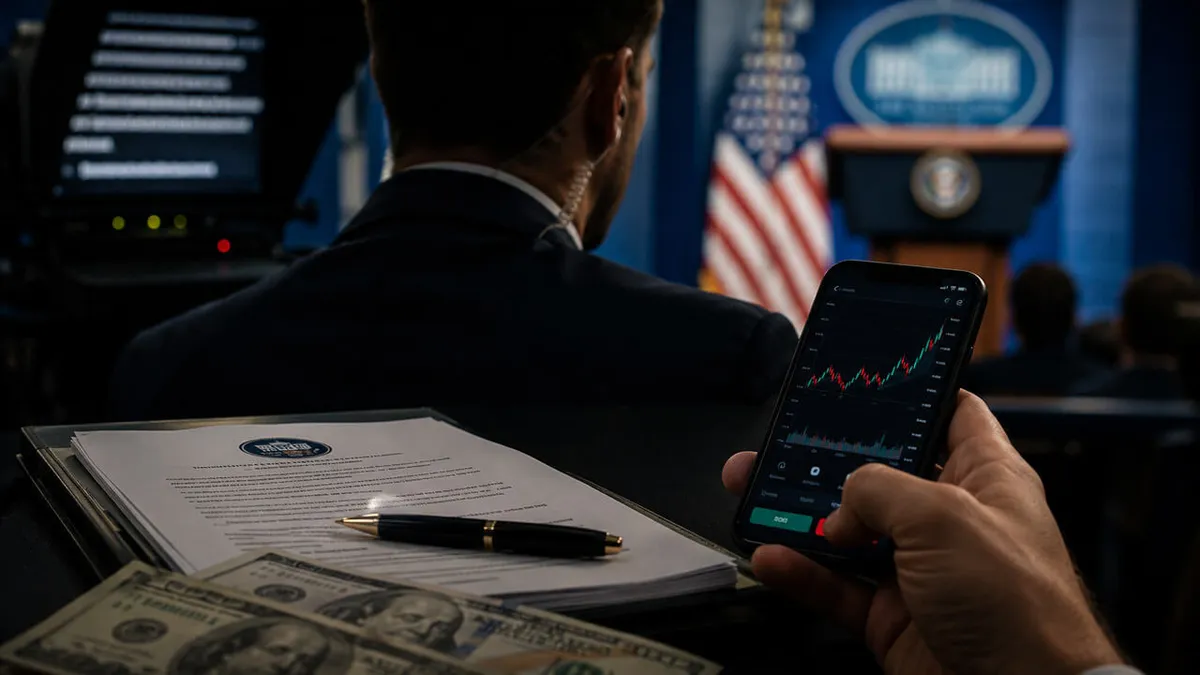
Recent reports have surfaced indicating that a former aide to Donald Trump reportedly profited significantly–around $100,000–by placing bets on twelve speeches before the public was made aware of their occurrence. This situation raises questions about the legality and ethics surrounding the prediction markets in which these bets were placed. It appears that the aide had insider knowledge that allowed them to capitalize on events that were not yet disclosed to the general public. The firm Kalshi, which operates a regulated prediction market, quickly intervened when they became aware of the situation, underscoring the regulatory complexities surrounding such activities.
To understand the ramifications of this incident, it is essential to consider the context of prediction markets and their regulatory environment. Prediction markets allow users to bet on the outcomes of future events, and while they can provide valuable insights into public sentiment, they also pose risks when individuals leverage insider information. The Commodity Futures Trading Commission (CFTC) oversees these markets to ensure compliance with regulations, and the lack of transparency in this case raises significant concerns about potential market manipulation. While the CFTC has not yet publicly addressed this specific incident, it highlights ongoing issues regarding the intersection of politics and finance.
This situation is particularly relevant to the broader market landscape because it touches on the integrity and trustworthiness of prediction markets. If people believe that insider trading or unethical behavior can distort outcomes, they may be less inclined to participate, ultimately affecting liquidity and market dynamics. Furthermore, as more players enter this space, the potential for similar incidents could lead to increased scrutiny from regulators. This could result in stricter guidelines governing prediction markets and their operators, which may reshape how these platforms operate in the future.
Industry reactions to the incident have been mixed. Some experts argue that the case illustrates the necessity for more robust regulatory frameworks for prediction markets, especially as they gain popularity. Others warn that excessive regulation could stifle innovation and limit the potential benefits these markets can offer. There are also those who view this as an isolated incident rather than a systemic issue, suggesting that the majority of users operate within ethical boundaries. Nonetheless, the incident has ignited a broader conversation about accountability and transparency within the industry.
Looking ahead, the fallout from this incident could lead to significant changes in how prediction markets are regulated. As more information comes to light regarding the aide’s actions and any potential violations, we may see a push for enhanced oversight from regulatory bodies. Additionally, Kalshi's involvement could inspire other prediction market platforms to reevaluate their compliance protocols and ensure that they are equipped to prevent similar occurrences in the future. Ultimately, this incident serves as a critical reminder of the need for ethical conduct in the rapidly evolving landscape of prediction markets.

CoinMagnetic Team
Crypto investors since 2017. We trade with our own money and test every exchange ourselves.
Updated: July 2026
From our insights:
Related news

Strategy faces potential MSCI index exclusion as final list approaches on November 11
MSCI non-operating company rules threaten Strategy and crypto treasury firms
Google Willow chip slashes magic states error rates by 40 times

Farcaster acquired by Balaji’s Network School, with new ‘social smart contract’ for users

Google audit shows AI writes 75% of code but lacks self-improvement