Trump agrees to ethics provision as crypto bill inches closer to Senate vote
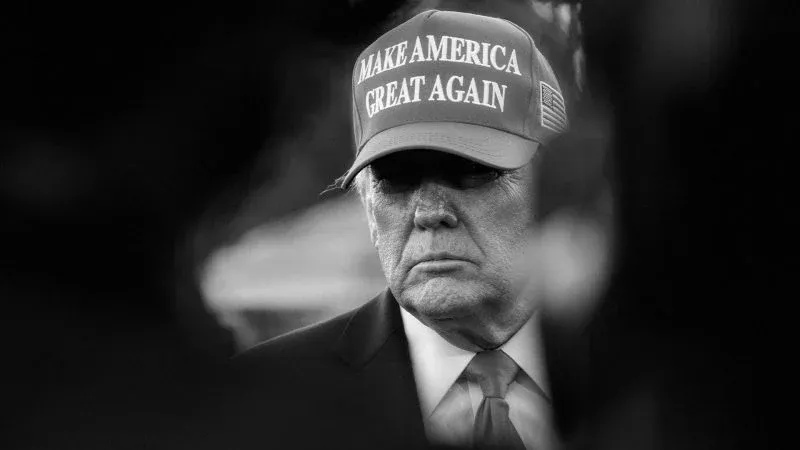
In a significant development for the cryptocurrency industry, President Trump has agreed to ethics provisions related to ongoing crypto legislation, signaling a potential breakthrough in getting the bill closer to a Senate vote. This agreement comes amid increasing bipartisan support for regulating digital assets, with the aim of establishing clearer guidelines for the rapidly evolving market. The inclusion of ethics language is seen as a necessary step to ensure transparency and accountability within the crypto space, particularly as regulators seek to mitigate risks associated with fraud and market manipulation.
The backdrop to this agreement is a growing recognition of the need for comprehensive cryptocurrency legislation in the United States. Over the past few years, the crypto market has expanded dramatically, drawing in a wide range of investors and participants. However, this growth has also brought with it numerous challenges, including regulatory uncertainty and concerns over consumer protection. The proposed legislation aims to address these issues by providing a framework for the regulation of digital currencies, security tokens, and initial coin offerings (ICOs), all of which have seen a surge in popularity.
The implications of this move are significant for the market. If the Senate successfully votes on and passes the legislation, it could pave the way for a more stable and regulated environment for cryptocurrency trading and investment. This would not only enhance investor confidence but could also attract institutional players who have been hesitant to enter the market due to regulatory uncertainties. Furthermore, establishing clear guidelines may help to curb fraudulent activities that have plagued the industry, thereby fostering a safer space for both retail and institutional investors.
Industry experts have reacted positively to the news, highlighting the importance of regulatory clarity for the future of cryptocurrencies. Many believe that a well-structured regulatory framework could lead to increased innovation within the sector, as companies would be better equipped to navigate compliance requirements. However, some voices in the industry caution that overly stringent regulations could stifle growth and limit the potential of blockchain technology. The balance between regulation and innovation will be crucial as lawmakers work to finalize the legislation.
Looking ahead, the next steps will involve further discussions in the Senate as lawmakers seek to refine the bill and address any lingering concerns. The timeline for a vote remains uncertain, but momentum appears to be building. Stakeholders in the crypto space will be closely monitoring developments, as the outcome could have lasting implications for how cryptocurrencies are treated under U.S. law. As we move forward, the focus will remain on ensuring that any regulatory framework promotes growth while safeguarding the interests of investors and the broader financial system.

CoinMagnetic Team
Crypto investors since 2017. We trade with our own money and test every exchange ourselves.
Updated: July 2026
From our insights:
Related news

CFTC pushes back against CME arguments in battle over crypto perpetual futures

$33 million in bitcoin moved from dormant wallet linked to Noah Doe lawsuit

Mastercard unveils Stablecoin Security tool to screen payments for fraud and sanctions risks

New US bill proposes dedicated disclosure program to reduce penalties for past crypto tax errors

World introduces banking identity checks to combat AI fraud risks