Treasury Secretary Scott Bessent reiterates ‘no CBDC’ commitment under Trump admin
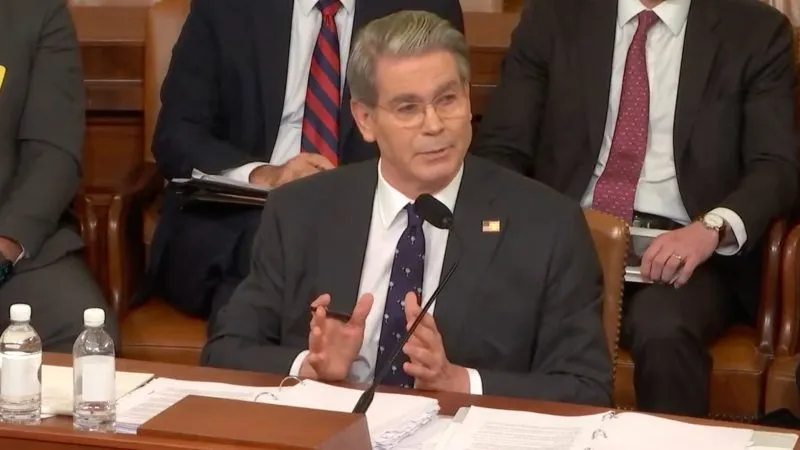
In a recent press briefing, Treasury Secretary Scott Bessent reaffirmed the Trump administration's commitment to not implementing a Central Bank Digital Currency (CBDC). This statement comes at a time when discussions surrounding the potential for CBDCs are gaining traction in various nations worldwide. Bessent emphasized that under the current administration, the focus remains on traditional monetary policies rather than adopting digital currencies that could disrupt the existing financial ecosystem. He also took the opportunity to urge Congress to advance the Clarity Act, which aims to provide a clearer regulatory framework for cryptocurrencies and digital assets.
To understand the significance of Bessent's comments, it's essential to consider the broader context surrounding CBDCs. Many countries, including China and several European nations, are actively exploring or piloting their own digital currencies, viewing them as a way to enhance monetary policy and improve payment systems. In contrast, the U.S. has been more cautious, with officials weighing the potential implications of a CBDC on privacy, financial stability, and the banking system. The Clarity Act, which Bessent mentioned, seeks to clarify regulations for crypto businesses, highlighting the administration's focus on establishing a legal framework that fosters innovation while protecting consumers.
Bessent's reiteration of the "no CBDC" stance is significant for the market, as it signals a continued reluctance from U.S. policymakers to embrace digital currencies at a central bank level. This decision could influence investor sentiment and market dynamics, particularly as other nations move forward with their own initiatives. The clarity provided by the Clarity Act may also instill confidence among cryptocurrency businesses and investors, potentially leading to increased activity and investment in the sector despite the absence of a state-backed digital currency.
Industry experts have responded with a mix of support and caution regarding Bessent's remarks. Some view the administration's stance as a positive signal for the cryptocurrency market, indicating a commitment to a more decentralized financial ecosystem. Others, however, express concern that the lack of a CBDC could hinder the U.S.'s competitiveness in the global digital currency landscape. The differing opinions underscore the growing debate within the industry about the role of government in regulating and shaping the future of digital currencies.
Looking ahead, the focus will likely shift to how the Clarity Act progresses through Congress and what impact it may have on the regulatory environment for cryptocurrencies. While the administration's stance on CBDCs remains clear, the evolving landscape of digital assets will continue to prompt discussions among lawmakers, regulators, and industry participants. The outcome of these discussions could shape the future of cryptocurrency in the U.S., influencing not only domestic market conditions but also the global standing of American digital assets.

CoinMagnetic Team
Crypto investors since 2017. We trade with our own money and test every exchange ourselves.
Updated: May 2026
From our insights:
Related news

Crypto sector emerges as top donor with $206 million in midterms backing

Stand With Crypto’s 4 million registered advocates couldn’t get the CLARITY Act through the Senate

Kakao Pay, KakaoBank to explore stablecoin opportunities with Fireblocks

US Attorney's investigation into Binance focuses on Iran sanctions compliance

ECB initiates wholesale digital euro for banks and tokenized bond purchases