‘TrapDoor’ malware targets crypto dev tools in supply chain attack

A recent report from Socket has unveiled a concerning trend in the cybersecurity landscape, specifically targeting the cryptocurrency sector. Dubbed "TrapDoor," this malware campaign is designed to infiltrate development tools commonly used by crypto developers. By injecting malicious code into popular libraries and frameworks, attackers aim to steal sensitive information and even compromise the functioning of AI coding assistants. This sophisticated supply chain attack raises alarms over the security of development environments, particularly in the rapidly evolving world of cryptocurrency where innovation and efficiency are paramount.
The context surrounding this malware campaign is particularly notable given the increasing reliance on open-source tools in software development. As the crypto industry continues to expand, developers often utilize various libraries and frameworks to streamline their work. However, this dependency also opens up vulnerabilities, making it easier for malicious actors to exploit weaknesses in these widely used tools. The TrapDoor malware highlights a growing trend in cyberattacks where hackers target the supply chain, aiming to compromise not just end-users but the tools that developers rely on to create and manage their projects.
The implications of the TrapDoor malware for the cryptocurrency market are significant. As developers face heightened risks, the integrity of the projects they are building could be jeopardized. If attackers succeed in stealing private keys or injecting backdoors into applications, the consequences could be catastrophic–not only for individual projects but for the broader trust in the security of blockchain technology. This incident serves as a wake-up call for developers and companies in the crypto space to prioritize cybersecurity measures and fortify their development environments against such threats.
Reactions from industry experts have been swift, with many emphasizing the need for increased vigilance and proactive measures in the face of evolving cyber threats. Some have called for greater collaboration within the developer community to share information about vulnerabilities and potential threats. Others have suggested implementing stricter code review processes and enhancing security protocols around the use of third-party libraries. This incident underscores the importance of a robust security posture as a critical component of the development lifecycle in the crypto space.
Looking ahead, it will be crucial for developers and companies to adapt to this new threat landscape. Investing in security training and adopting best practices for software development can help mitigate risks associated with supply chain attacks. Furthermore, as the industry becomes more aware of these threats, we can expect a push for improved tools and frameworks that prioritize security by design. The evolution of cybersecurity in the cryptocurrency sector will likely be a defining factor in its growth and sustainability in the coming years.

CoinMagnetic Team
Crypto investors since 2017. We trade with our own money and test every exchange ourselves.
Updated: May 2026
From our insights:
Related news

Bitcoin surges past $86,000 as $1 billion in shorts are liquidated, eyes on $90,000
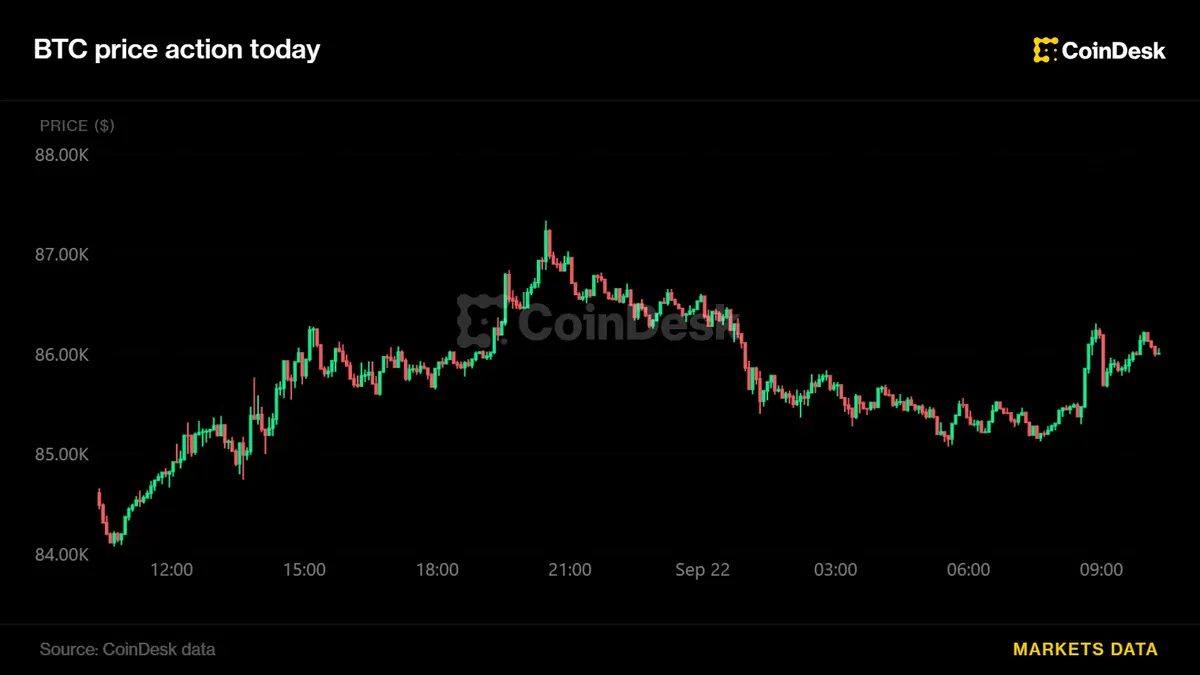
Bitcoin bounces back to $86,000 as oil prices decline and stocks rise

Prediction markets projected to reach $10 trillion by 2035, surpassing sports

Iran hints at reopening Strait of Hormuz, WTI oil drops to $89

New altseason signal emerges as Bitcoin market cap stays under 60%