Too many cooks: How regulatory infighting is choking the UK's crypto hub ambitions

Recent developments in the United Kingdom's regulatory landscape have raised eyebrows among crypto industry stakeholders. The Financial Conduct Authority (FCA) is making strides by opening its doors to market pilots, yet the enthusiasm is tempered by significant structural delays and ongoing legislative friction. These issues are causing frustration within the industry, as many feel that the UK is struggling to keep pace with its counterparts in the U.S. and Europe. The prolonged uncertainty over regulatory frameworks is leading to concerns about the UK's ambitions to establish itself as a leading crypto hub.
The context surrounding these regulatory challenges is rooted in the UK's broader economic landscape and its long-standing efforts to attract fintech innovation. Following Brexit, there was a strong push to position the UK as a global leader in various sectors, including crypto. However, the fragmented approach to regulation–characterized by multiple agencies having overlapping responsibilities–has complicated matters. The FCA's initiatives, while promising, are overshadowed by a lack of cohesive policy that can adapt to the rapidly evolving crypto environment.
This regulatory infighting is particularly significant for the market, as it can stifle innovation and deter investment. The longer the industry has to wait for a clear and robust regulatory framework, the more likely it is that businesses will seek more welcoming environments abroad. As companies weigh their options, the risk is that the UK could miss out on essential investments and talent that could otherwise solidify its position in the global crypto arena. The potential for a brain drain, where skilled professionals leave for more favorable jurisdictions, adds another layer of urgency to an already pressing situation.
Reactions from industry leaders have been largely critical, emphasizing the need for a streamlined regulatory process that can accommodate the fast-paced nature of the crypto market. Many experts argue that the current state of regulation not only hampers innovation but also creates a climate of uncertainty that can hinder consumer confidence. There is a call for a more collaborative approach among regulatory bodies to unify standards and create an environment conducive to growth. Some advocates are pushing for a dedicated crypto regulator to address the unique challenges posed by digital assets and ensure that the UK remains competitive.
Looking ahead, the future of the UK's crypto ambitions hangs in the balance. The upcoming months may be pivotal in determining whether the FCA can alleviate some of the structural delays and foster a regulatory environment that encourages growth. Additionally, continued dialogue between regulators and industry participants will be essential to ensure that the concerns raised are addressed effectively. As the global landscape for crypto evolves, it will be crucial for the UK to find its footing and establish a regulatory framework that not only catches up with but also leads the way in innovation and adoption.

CoinMagnetic Team
Crypto investors since 2017. We trade with our own money and test every exchange ourselves.
Updated: May 2026
From our insights:
Related news
Iran hints at reopening Strait of Hormuz, WTI oil drops to $89

New altseason signal emerges as Bitcoin market cap stays under 60%

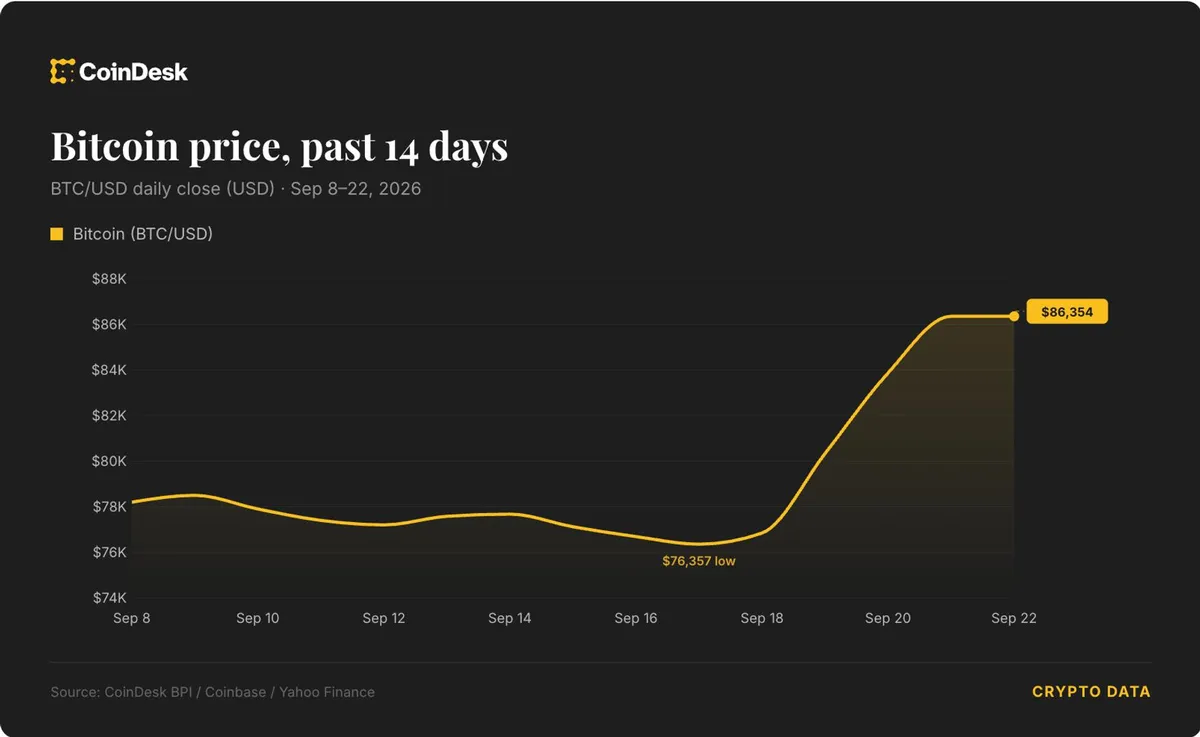
Bitcoin nears $86,000 as crypto market cap surpasses $3 trillion

Bitcoin's weekly close above $81,000 signals potential rise to $90,000

Elon Musk's X integrates bitcoin trading options for U.S. users