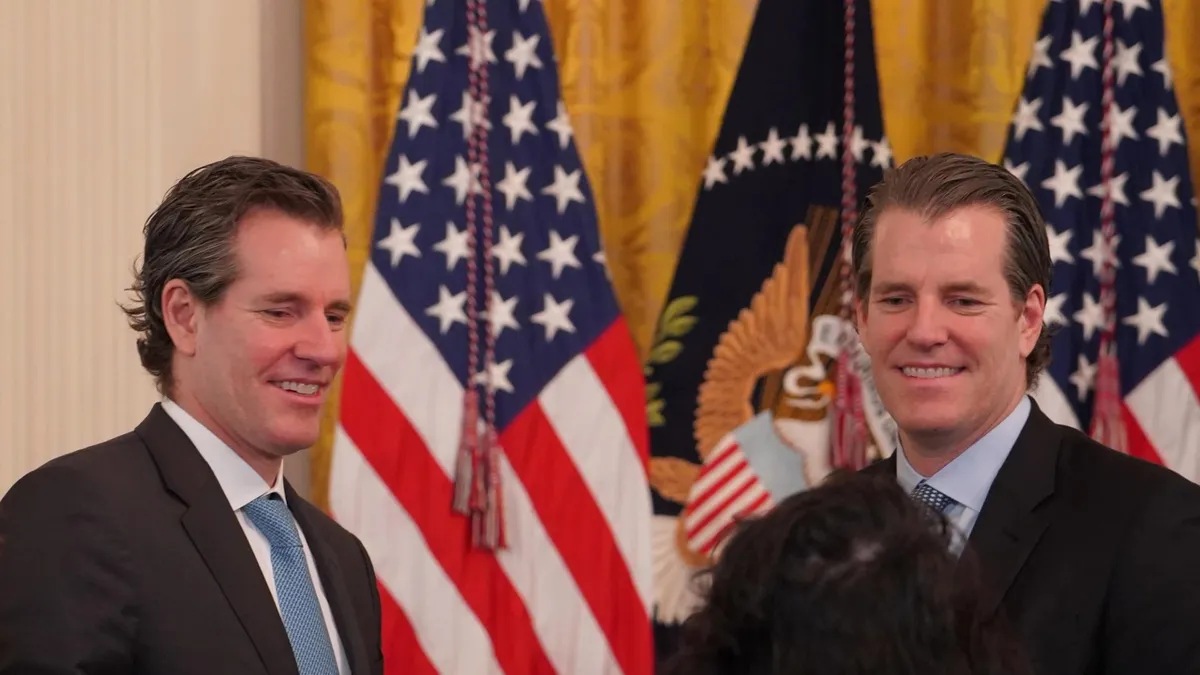
Tokyo requests Trump to cease unauthorized use of Mario and Pokémon memes
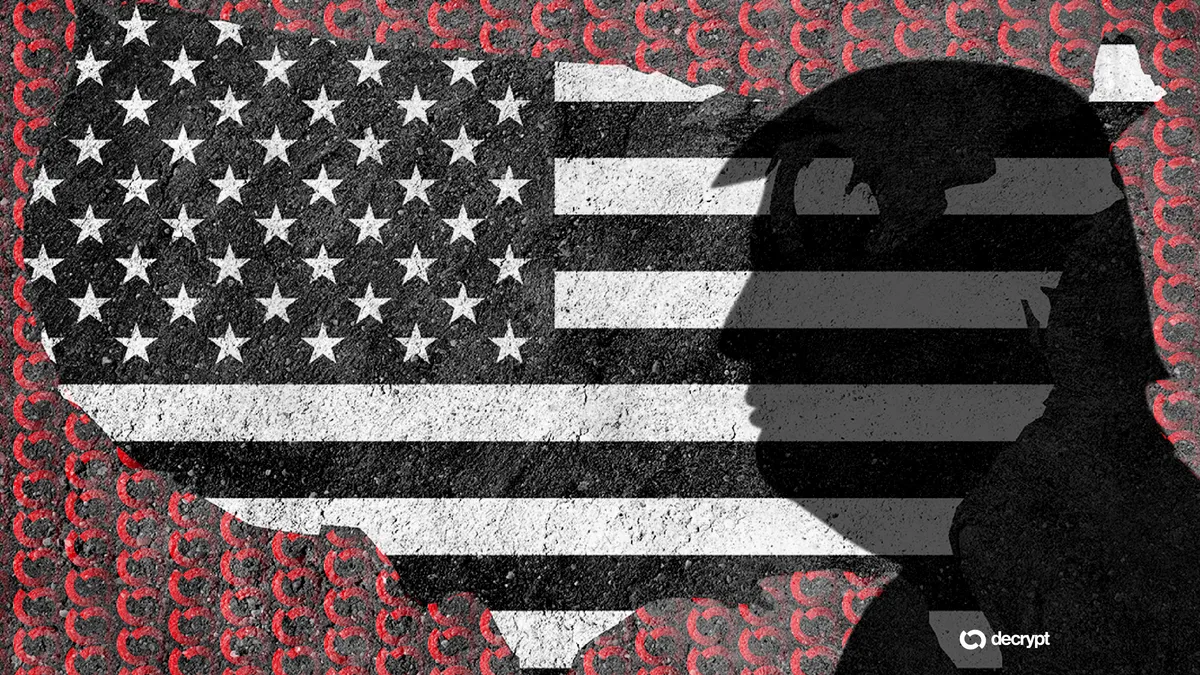
The Japanese government has formally requested that the Trump administration refrain from using popular cultural icons such as Mario, Pokémon, and Naruto in memes without prior permission. This unexpected diplomatic move highlights the growing tension between the lighthearted realm of meme culture and the serious nature of intellectual property rights. The request underscores Japan's commitment to protecting its valuable cultural assets in a digital landscape where the lines between homage and infringement can often blur.
Japan has long been a powerhouse in the realm of pop culture, with characters like Mario and Pokémon becoming global phenomena. These franchises, developed by companies such as Nintendo and The Pokémon Company, are not just entertainment but significant contributors to Japan’s economy and cultural identity. Over the years, the international popularity of these characters has led to a complex relationship regarding their use in various contexts, particularly in the age of social media where memes can spread rapidly and widely.
This request from Tokyo is particularly significant as it raises questions about the use of intellectual property in diplomatic discourse. In an era where memes often serve as a form of communication in political contexts, the clash between the playful nature of memes and the legal implications of copyright infringement comes into sharp focus. The move could impact how cultural icons are used in the future, prompting a reevaluation of how countries approach cultural exchange in the digital age.
Industry reactions have been mixed, with some experts emphasizing the need for clearer guidelines on the use of character likenesses in memes. Others argue that memes can serve as a form of free expression and cultural exchange that should not be stifled by legal ramifications. The debate highlights the ongoing tension between protecting intellectual property and embracing the evolving landscape of digital communication.
Looking ahead, this request may lead to broader discussions about the relationship between governments and internet culture. As memes continue to shape public perception and communication, there may be a need for more comprehensive frameworks that address both creative expression and the protection of intellectual property rights. This situation could set a precedent for how similar disputes are handled in the future.

CoinMagnetic Team
Crypto investors since 2017. We trade with our own money and test every exchange ourselves.
Updated: August 2026
From our insights:
Related news
Arbitrum could rise 70 times by 2030 despite regulatory hurdles
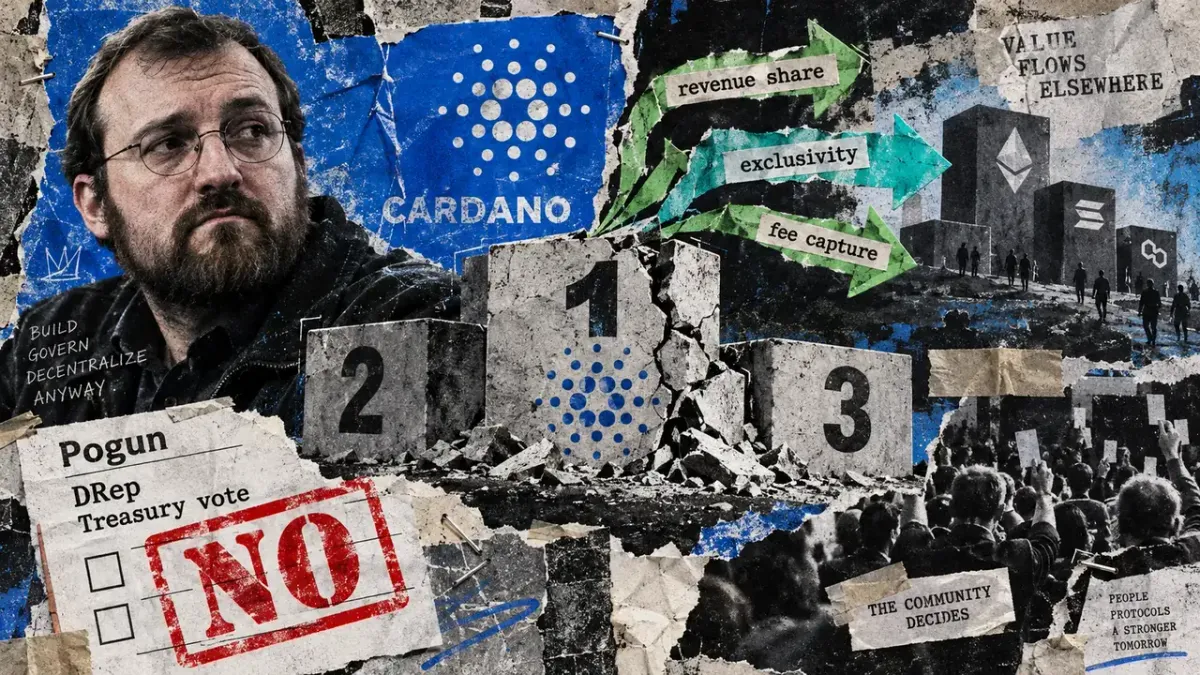
Cardano's treasury vote leads Hoskinson to prioritize other projects
Liquid network loss of 4,000 Bitcoin shows keys alone can’t prevent theft
Solana's 250ms speed boost raises concerns over potential network instability
Offshore Bitcoin futures crash 97% as traders abandon traditional risk