Tokenization won't disrupt banking rails but improve them, Wall Street executives say
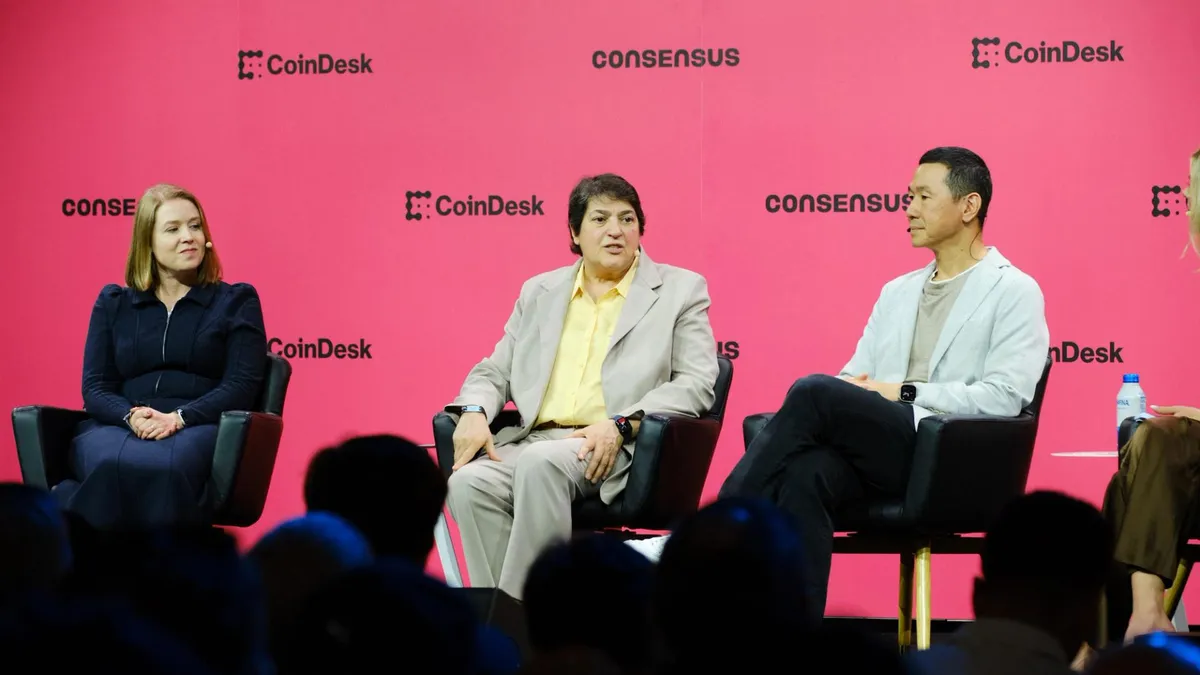
At the recent Consensus conference, top executives from Citigroup, JPMorgan, and the Depository Trust & Clearing Corporation (DTCC) shared their insights on the evolving landscape of tokenization in the financial sector. They emphasized that the rise of tokenized assets is not expected to disrupt traditional banking systems but rather enhance the existing infrastructure. This discussion highlighted the genuine client demand for these digital assets, suggesting that the financial industry is beginning to embrace the potential of blockchain technology while still valuing the stability of conventional banking rails.
The context behind this conversation is the increasing interest in tokenization as a tool for improving efficiency in asset management and transactions. Over the past few years, there has been a growing recognition of the benefits of blockchain technology, including greater transparency, reduced transaction costs, and faster settlement times. Major financial institutions have been exploring how tokenization can streamline processes, particularly in areas like securities trading, where fractional ownership and quicker settlements could revolutionize the market. The executives' comments signify a shift in attitudes as Wall Street begins to take tokenization more seriously as a complementary innovation rather than a disruptive force.
This perspective is significant for the market, as it suggests a more collaborative approach between traditional financial institutions and emerging technologies. By viewing tokenization as a means to enhance existing systems, banks may be more willing to invest in and adopt blockchain solutions. This could lead to increased liquidity in tokenized assets and create more robust markets for digital securities. As the demand for tokenized assets grows, we may see a more integrated approach to financial services, bridging the gap between conventional banking and the digital asset space.
Industry reactions to these developments have been largely optimistic. Many experts believe that the validation from major financial institutions will accelerate the acceptance and implementation of tokenization across various sectors. The consensus among these leaders indicates that tokenization is becoming an integral part of mainstream finance, with the potential to improve regulatory compliance, reduce fraud, and enhance customer experiences. This positive outlook reinforces the idea that the financial ecosystem is evolving rather than facing a binary choice between traditional and digital assets.
Looking ahead, it will be interesting to observe how these discussions translate into concrete actions within the industry. As institutions begin to pilot tokenization projects and develop frameworks that incorporate these assets into their existing operations, we can expect to see regulatory responses that will shape the future of digital finance. The next steps will involve not only technological advancements but also collaboration between regulators and financial institutions to create a secure and efficient environment for tokenized assets. The journey toward an integrated financial landscape continues, and the insights from these industry leaders provide a promising outlook for the future of banking and tokenization.

CoinMagnetic Team
Crypto investors since 2017. We trade with our own money and test every exchange ourselves.
Updated: May 2026
From our insights:
Related news

21shares launches first European ETP for Zcash after US ETF debut
Bitcoin ETFs attract nearly $1B in a single day as holders regain profitability
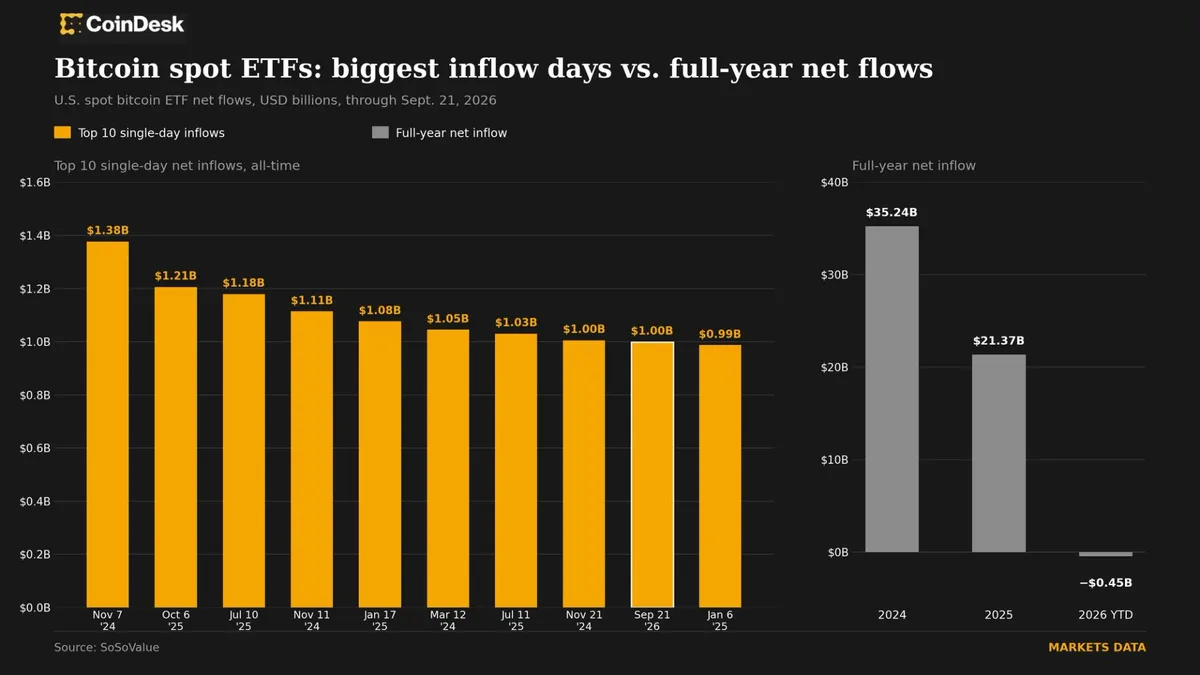
Spot bitcoin ETFs see nearly $1 billion inflow as bitcoin hits January highs
US spot Bitcoin ETFs see nearly $1 billion inflow, highest since October 2025
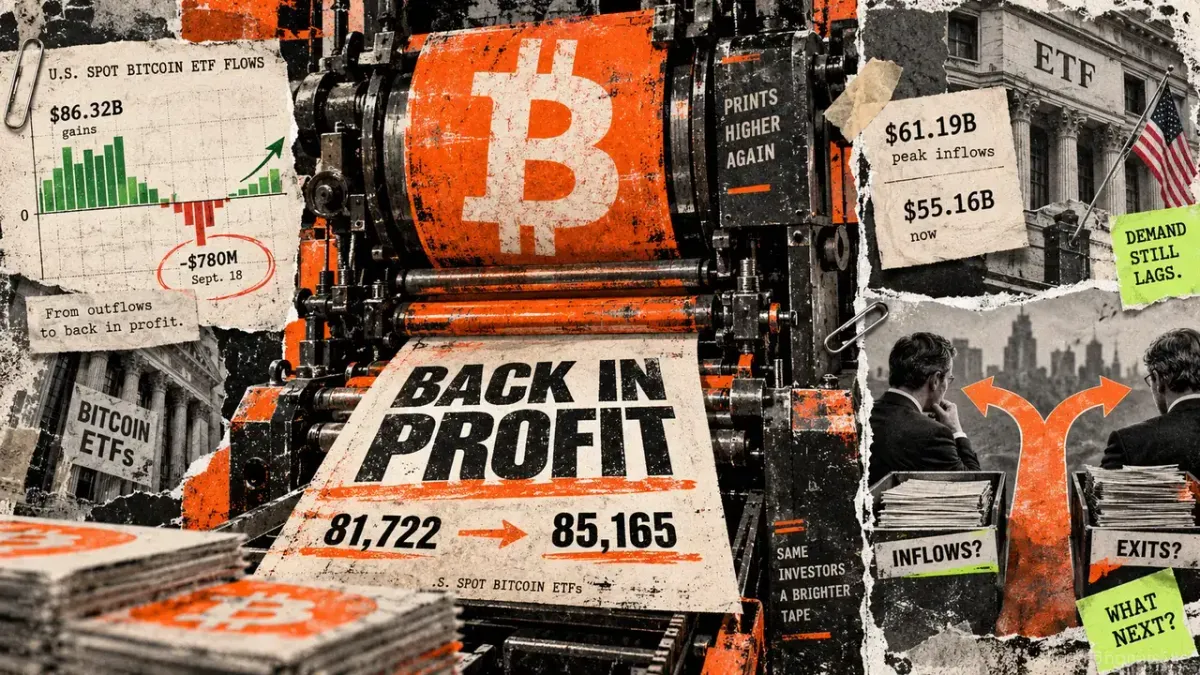
Bitcoin's rise to $86,000 restores profitability for ETF investors