THORChain technical co-founder claims Tether froze and unfroze vaults
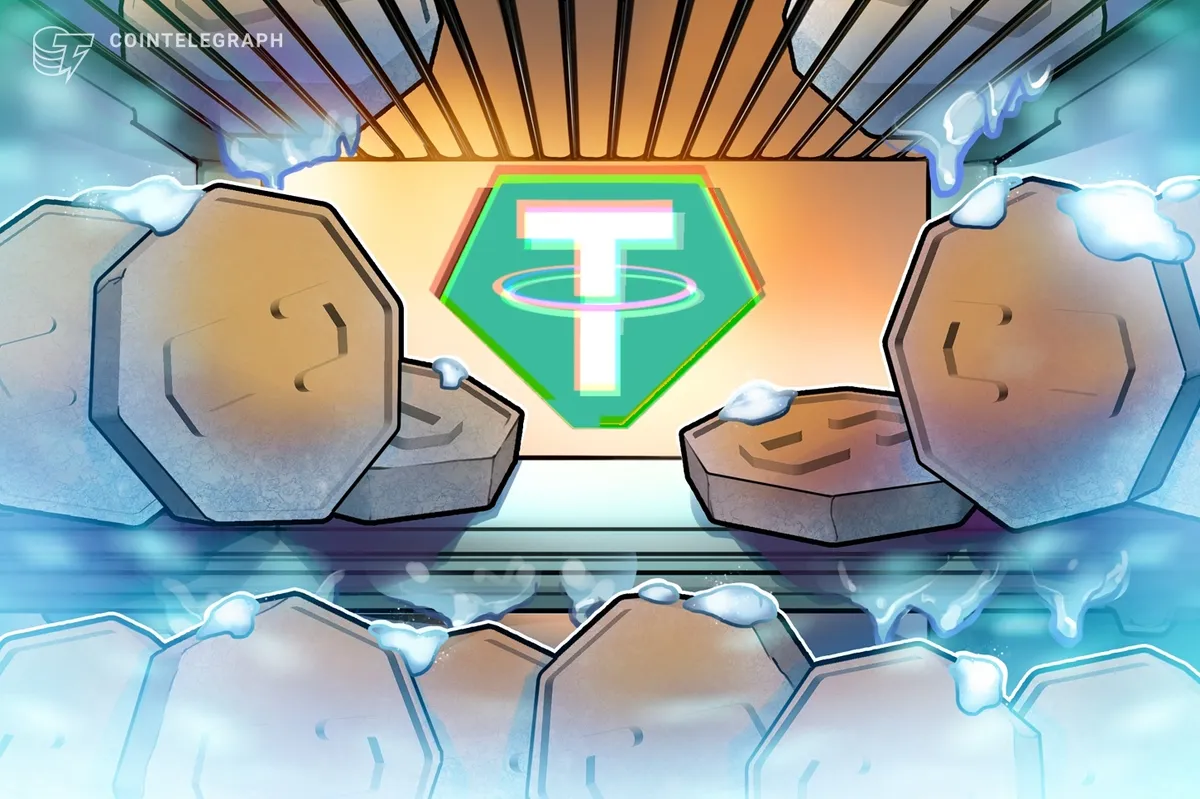
We have been closely following recent developments involving THORChain, where technical co-founder Chad Barraford publicly accused stablecoin issuer Tether of temporarily freezing specific USDT vaults. According to the claims made by the executive, the funds in question were locked and subsequently released without any formal explanation provided to the network operators. This unexpected intervention has brought renewed attention to the centralized control mechanisms that govern major stablecoins, even when interacting with decentralized liquidity protocols.
To provide some context, THORChain operates as a decentralized cross-chain liquidity network that allows users to swap native assets like Bitcoin and Ethereum across different blockchains without wrapping tokens. Because the protocol handles substantial volumes of liquidity, it frequently integrates prominent stablecoins like USDT to facilitate seamless trading pairs. The ability of issuers to freeze assets is a built-in compliance feature designed to prevent illicit activities, such as money laundering or the movement of stolen funds, but it routinely sparks debates regarding censorship and financial sovereignty within the crypto ecosystem.
This incident matters significantly for the broader digital asset market because it highlights the ongoing tension between centralized stablecoin issuers and decentralized finance protocols. Market participants rely heavily on USDT for daily trading and liquidity provision, making any hint of arbitrary freezes a source of systemic anxiety. When infrastructure providers can halt funds without transparent communication, it reinforces concerns about counterparty risk and the true decentralization of multi-chain applications.
Industry reactions have been swift, with various commentators and developers weighing in on the implications of Barraford's statements. Many experts point out that while freezing capabilities are legally required for issuers to maintain regulatory compliance, the lack of transparency in how these actions are executed creates uncertainty for protocol developers and liquidity providers alike. The crypto community continues to debate where the balance lies between regulatory adherence and permissionless operations.
Looking ahead, developers and users will likely monitor how cross-chain protocols manage their reliance on centralized assets. As regulatory scrutiny intensifies globally, incidents like this one underscore the delicate relationship between centralized stablecoins and the decentralized infrastructure that increasingly depends on them.

CoinMagnetic Team
Crypto investors since 2017. We trade with our own money and test every exchange ourselves.
Updated: October 2026
From our insights:
Related news

Former FTX COO Constance Wang criticizes Netflix's 'Altruists' trailer

Ledger investigates CryptoBilis reseller after onchain data links sales to $87 million in thefts
CryptoBilis buyer wallet drains prompt Ledger probe into losses over $86 million

XRP Ledger adds new controls for banks, stablecoins and tokenized funds
JPMorgan estimates $50 billion has flowed into crypto this year as momentum improves into Q4