This sanctioned Russian stablecoin claims it processes billions, but blockchain analysts disagree

The Russian stablecoin A7A5 has recently made headlines by asserting that it processes billions in trading activity, a claim that has raised eyebrows among blockchain analysts. The company argues that crypto data providers are significantly underreporting its trading volumes, suggesting that their methodologies may be flawed or biased. However, independent blockchain analytics firms have countered these assertions, indicating that the actual trading volume of the ruble-backed token has experienced a notable decline over the past year. This discrepancy has sparked a debate regarding the credibility of the data provided by both A7A5 and the analytics firms.
To understand the significance of A7A5's claims, it's essential to consider the broader context in which this stablecoin operates. Launched amidst growing geopolitical tensions and sanctions against Russia, A7A5 was designed to facilitate transactions in a stable manner, particularly for those affected by financial restrictions. Stablecoins, in general, are intended to provide a semblance of stability in the often-volatile crypto market, and A7A5's appeal lies in its backing by the Russian ruble. However, as the crypto landscape evolves, the effectiveness and adoption of such assets are increasingly scrutinized, especially when they are linked to sanctioned entities.
The implications of A7A5's claims extend beyond its immediate trading activity; they signal potential shifts in market dynamics. If A7A5's assertions were accurate, it could suggest a stronger demand for ruble-backed assets, potentially countering the effects of international sanctions. On the other hand, if the analytics firms are correct, it raises concerns about the viability and trustworthiness of A7A5 as a stablecoin, which could deter investors from engaging with it. This situation underscores the need for transparency and reliable data in the crypto market, as discrepancies can lead to a loss of confidence among traders and investors.
Industry reactions to this situation have been mixed. Some analysts have expressed skepticism towards A7A5's claims, emphasizing the importance of relying on independent data sources for accurate assessments of trading volumes. Others argue that the stablecoin's assertions should not be dismissed outright, considering the challenges of tracking trading activity in a space often characterized by obfuscation and misinformation. As the debate continues, experts are calling for more rigorous standards in data reporting to ensure that claims made by crypto entities can be substantiated.
Moving forward, the future of A7A5 and its role in the crypto market may hinge on the outcome of this data dispute. If further investigations reveal that A7A5's trading volume is indeed inflated, it could lead to regulatory scrutiny or a potential loss of user trust. Conversely, if the stablecoin can substantiate its claims, it might carve out a more significant niche in the market amidst ongoing geopolitical challenges. As the situation develops, both investors and analysts will be closely monitoring the interplay between A7A5's performance and the broader implications for cryptocurrency usage in sanctioned economies.

CoinMagnetic Team
Crypto investors since 2017. We trade with our own money and test every exchange ourselves.
Updated: July 2026
From our insights:
Related news

MiCA enhances trust in regulated crypto firms, says Bitpanda co-CEO
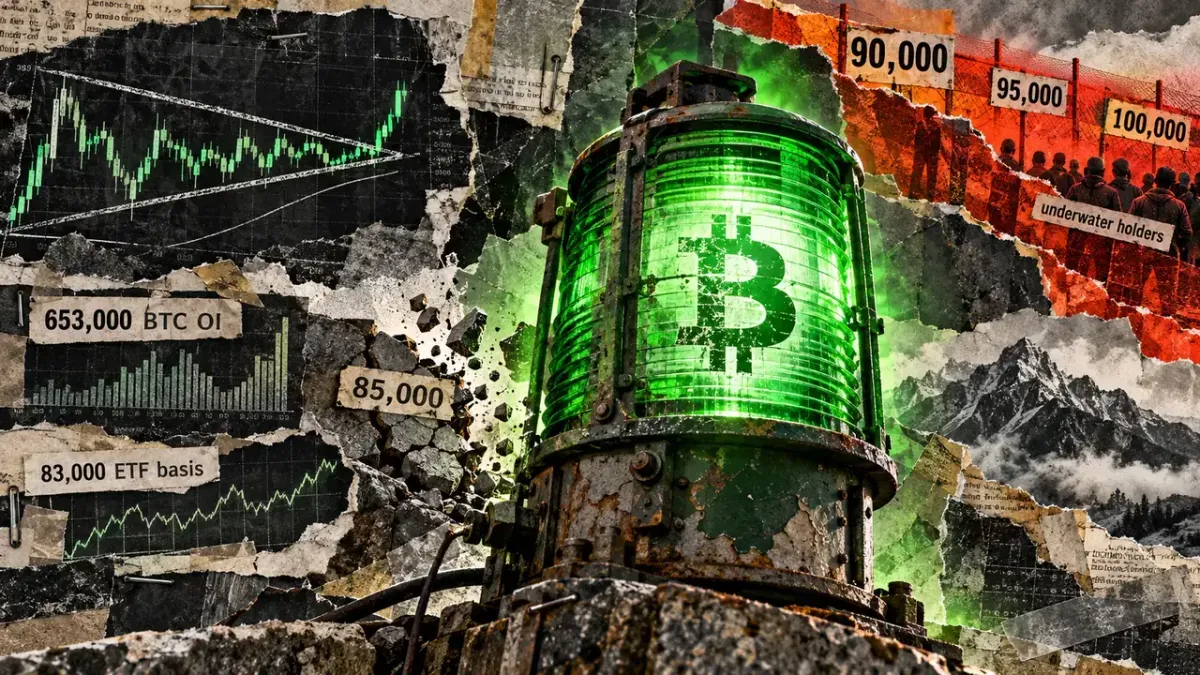
With $85,000 sell wall removed, Bitcoin eyes $100,000 milestone

Ethereum's zkAPI enables anonymous AI payments with USDC

Tavus claims 26 out of 54 people mistook AI for human on video calls

Evernorth’s Nasdaq XRP treasury is approved, but its real buying power isn’t the $300 million expected