This Open-Source Phone AI Agent Sees, Hears and Acts—All Without Touching the Cloud
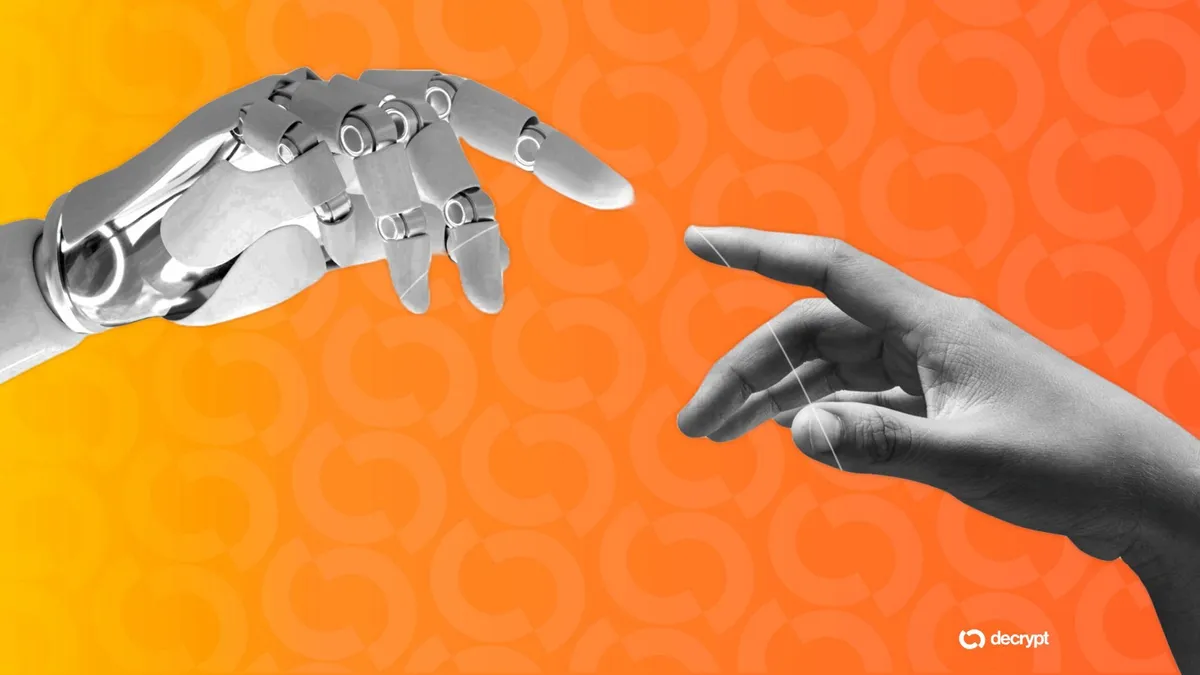
Oppo has recently unveiled its innovative X-OmniClaw, an open-source AI agent that operates directly on Android devices without relying on cloud-based processing. This cutting-edge technology leverages the device's camera, microphone, and screen to perform a variety of practical tasks within real applications. By enabling users to interact with their devices in a more intuitive and hands-free manner, X-OmniClaw represents a significant advancement in mobile AI capabilities. The ability to execute commands locally not only enhances user experience but also addresses privacy concerns associated with cloud computing.
The development of X-OmniClaw is a game changer in the context of the growing demand for privacy-focused technology. As concerns over data security and surveillance escalate, more consumers are looking for solutions that minimize their reliance on cloud services. Oppo's approach to integrating AI directly into smartphones offers a compelling alternative, allowing users to maintain control over their data while still benefiting from advanced functionalities. This trend aligns with a broader shift in the tech industry towards decentralized solutions, where users can enjoy smart features without compromising their privacy.
The introduction of X-OmniClaw could have a notable impact on the mobile technology market. As users become increasingly aware of the implications of cloud storage and data processing, the demand for devices that prioritize local computing solutions may rise. This could lead competitors to explore similar technologies, potentially sparking a wave of innovation in the mobile landscape. Furthermore, with AI becoming an integral part of everyday life, the ability to execute tasks locally could enhance device performance and responsiveness, making it a competitive edge for manufacturers who adopt such technology.
Industry experts have reacted positively to the announcement of X-OmniClaw, emphasizing its potential to reshape user interactions with mobile devices. Many see it as a logical progression in the evolution of AI technology, bridging the gap between advanced capabilities and user privacy. Analysts suggest that this move could set a new standard for mobile AI applications, prompting other manufacturers to rethink their approaches to AI integration and cloud dependency.
Looking ahead, the success of X-OmniClaw will depend on user adoption and the ability of Oppo to effectively communicate the advantages of local processing. As the tech community watches closely, it will be interesting to see how this initiative influences future developments in mobile AI and whether it prompts a broader industry shift towards more privacy-centric solutions. If successful, Oppo could not only enhance its market position but also redefine the way consumers engage with their devices in a digital landscape increasingly concerned with data security.

CoinMagnetic Team
Crypto investors since 2017. We trade with our own money and test every exchange ourselves.
Updated: May 2026
From our insights:
Related news

Crypto sector emerges as top donor with $206 million in midterms backing

Stand With Crypto’s 4 million registered advocates couldn’t get the CLARITY Act through the Senate

Kakao Pay, KakaoBank to explore stablecoin opportunities with Fireblocks

US Attorney's investigation into Binance focuses on Iran sanctions compliance

ECB initiates wholesale digital euro for banks and tokenized bond purchases