‘This is the future’: Czech central bank governor makes case for bitcoin in sovereign reserves

Czech National Bank Governor Ales Michl has recently made headlines by advocating for the inclusion of Bitcoin in sovereign reserves. Speaking at the Bitcoin 2026 conference, Michl argued that incorporating Bitcoin could enhance reserve portfolios while not significantly elevating risk levels. His remarks signal a noteworthy shift in perspective from traditional monetary policies, suggesting that central banks could benefit from diversifying their assets with cryptocurrencies like Bitcoin.
Historically, central banks have been cautious about adopting cryptocurrencies, preferring to stick with established assets such as gold and foreign currencies. However, the increasing maturity of the cryptocurrency market and its growing acceptance among institutional investors have prompted some financial leaders to reconsider their positions. Michl's comments come at a time when several countries are exploring the potential benefits of digital currencies, reflecting a broader trend towards the integration of cryptocurrencies into mainstream financial systems.
This development is significant for the market, as it highlights a potential shift in how central banks view digital assets. If more central banks follow Michl's lead, we could see a considerable increase in demand for Bitcoin, leading to price appreciation and greater legitimacy for the asset class. The idea that Bitcoin can be a less risky addition to reserve portfolios may encourage more conservative investors to engage with cryptocurrencies, impacting market dynamics substantially.
Industry experts have reacted positively to Michl's remarks, viewing them as a progressive step for central banking. Many believe that acknowledging Bitcoin's potential role in reserves could pave the way for more central banks to explore digital currencies. Analysts are particularly interested in how this stance could influence other European central banks, potentially sparking a regional trend toward greater acceptance of cryptocurrencies in official monetary policy.
Looking ahead, the implications of Michl's advocacy could be far-reaching. If the Czech National Bank formally adopts Bitcoin as part of its reserve strategy, it could set a precedent for other nations to follow. This move might catalyze a domino effect, encouraging a broader acceptance of Bitcoin and potentially leading to regulatory developments that further integrate cryptocurrencies into the global financial system. As the conversation around digital assets evolves, we will be watching closely to see how these developments unfold.

CoinMagnetic Team
Crypto investors since 2017. We trade with our own money and test every exchange ourselves.
Updated: April 2026
From our insights:
Related news

SoFi begins stablecoin settlement on Mastercard network for program expected to exceed $25 billion in annualized volume
A $3.2 million 'bitcoin butterfly' option trade bets on $95,000 by the end of October

Bitcoin surges past $86,000 as $1 billion in shorts are liquidated, eyes on $90,000
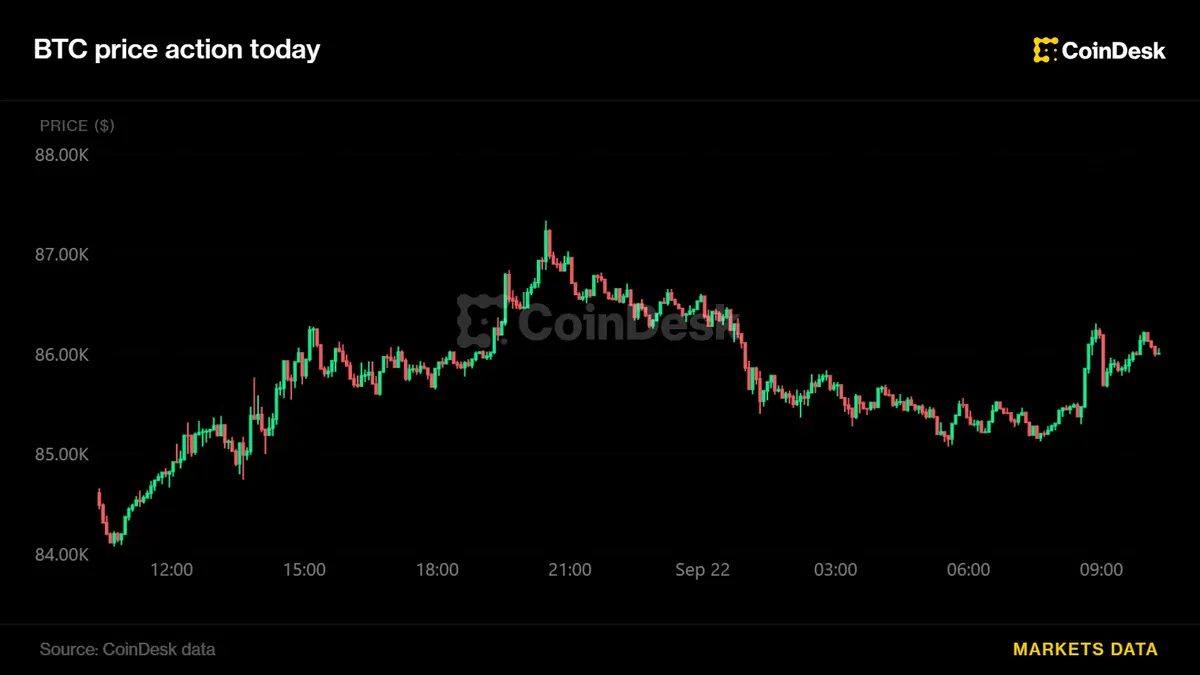
Bitcoin bounces back to $86,000 as oil prices decline and stocks rise

Prediction markets projected to reach $10 trillion by 2035, surpassing sports