'This Is Fine' Creator Says AI Startup Stole His Meme for Subway Ads
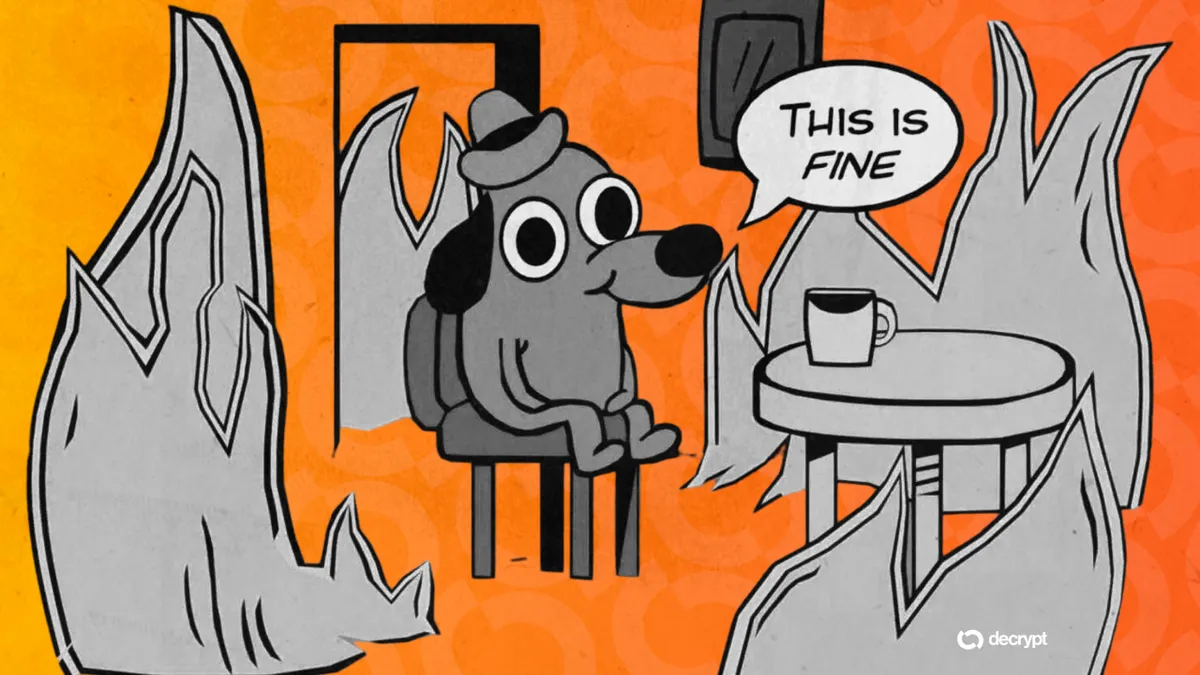
KC Green, the creator of the beloved “This Is Fine” meme, has publicly accused the AI startup Artisan of appropriating his artwork for a Subway advertising campaign without his consent. The comic, which depicts a dog sitting calmly in a burning room, has become an emblem of denial in the face of disaster. Green's revelation comes as he shared his discontent on social media, urging followers to vandalize the unauthorized ads. This incident has sparked discussions about intellectual property rights in the digital era, particularly as AI technologies increasingly intersect with creative works.
The “This Is Fine” meme first gained traction in 2013, quickly rising to prominence as a representation of feelings of anxiety and resignation amidst chaos. Green’s comic has been widely shared and referenced across various platforms, solidifying its place in internet culture. The use of his artwork by Artisan, an AI startup that has been involved in generating content for marketing purposes, raises important questions about how digital creations are used, especially when they are repurposed for commercial gain without the original creator's permission.
This controversy not only highlights the ongoing challenges artists face in protecting their work in an increasingly automated landscape but also reflects broader issues within the crypto and tech sectors, where the boundaries of ownership can often appear blurred. As more companies leverage AI to create and distribute content, the implications for creators and their rights become more pressing. This incident could potentially lead to a reevaluation of how businesses engage with digital content creators and the legal frameworks that govern such interactions.
Industry reactions to Green’s claims have been mixed. Some experts have expressed solidarity with Green, emphasizing the importance of respecting artists' rights and the need for clearer regulations surrounding AI-generated content. Others, however, argue that the rapid evolution of technology necessitates a shift in how we perceive ownership and creativity. This debate is likely to intensify as more instances of similar appropriation arise, prompting calls for a dialogue about ethical practices in advertising and content generation.
Looking ahead, the fallout from this incident may prompt further discussions about copyright laws and the responsibilities of companies that utilize AI-generated or remixed content. Green's case could serve as a precedent for future disputes involving unauthorized use of digital artwork, potentially leading to new guidelines that protect creators while still allowing for innovation in the marketing sector. As the conversation continues, it is essential for both creators and companies to navigate this complex landscape with an emphasis on respect and acknowledgment of original work.

CoinMagnetic Team
Crypto investors since 2017. We trade with our own money and test every exchange ourselves.
Updated: May 2026
From our insights:
Related news
Elon Musk's influence drives Dogecoin to highest price in months
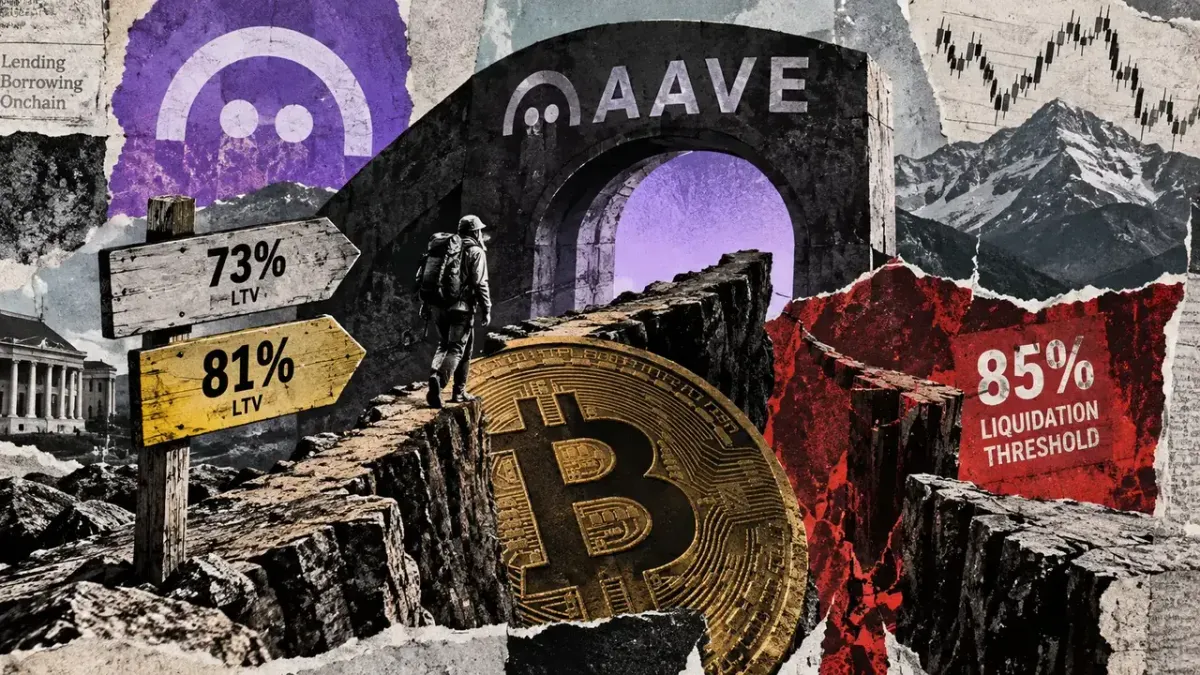
Aave's plan could expose Bitcoin loans to 4.7% price dips with higher leverage

Bitcoin price targets $86K support as oil falls under $90
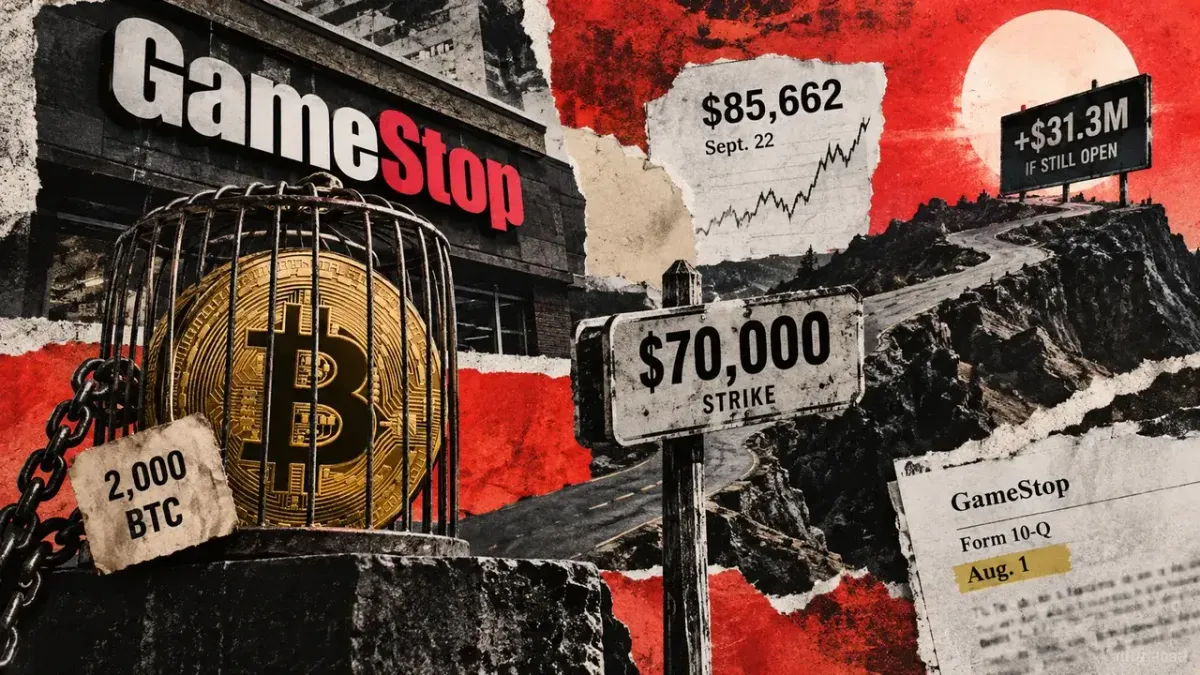
GameStop possibly forfeits $31 million in Bitcoin gains from options trade
Researchers trace 1.1 million Bitcoin to early miner but Satoshi's identity remains unclear