Theta and XYO partner on blockchain-based verification layer for AI agents
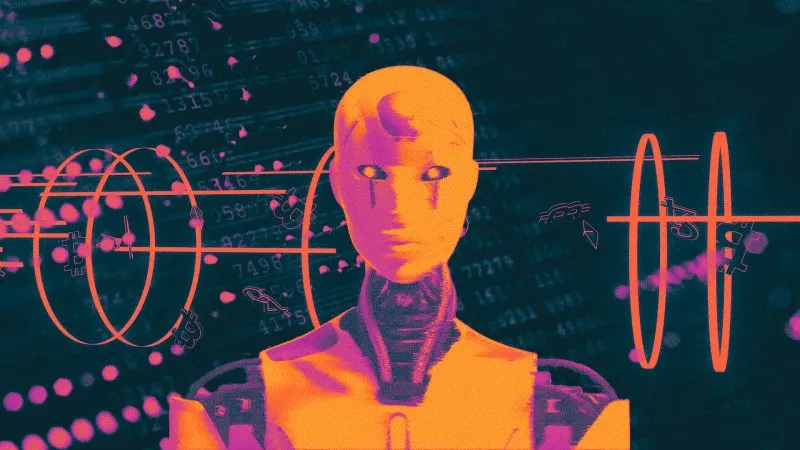
Theta Network and XYO have recently announced a partnership aimed at creating a blockchain-based verification layer specifically designed for AI agents. This collaboration focuses on developing a decentralized physical infrastructure network (DePIN) that employs cryptographic proofs to independently verify the workloads of AI agents. By leveraging Theta's blockchain technology alongside XYO's geolocation and data verification capabilities, the two projects are set to enhance the transparency and trustworthiness of AI operations, addressing a critical need in an industry increasingly scrutinized for accountability.
Understanding the context behind this partnership requires examining the rapid advancements in AI and the growing demand for verification mechanisms that ensure the integrity of AI-generated data. As AI technologies proliferate across various sectors, the need for reliable validation of AI outputs becomes paramount. Misuse or misrepresentation of AI capabilities can lead to significant repercussions, making it essential to have robust systems that can authenticate AI processes. Theta's blockchain foundation provides the necessary infrastructure for secure and immutable records, while XYO's focus on data verification adds an extra layer of assurance for users and developers alike.
This partnership is significant for the market as it signals a shift towards greater accountability and transparency in AI applications. Investors and stakeholders are increasingly aware of the risks associated with unverified AI outputs, which can lead to misinformation or erroneous decision-making. By combining blockchain technology with AI, Theta and XYO are positioning themselves at the forefront of a burgeoning market for secure AI solutions. This initiative could not only enhance the credibility of AI agents but also attract more developers and businesses looking for trustworthy tools to integrate AI into their operations.
Industry reactions have been largely positive, with experts recognizing the potential of this partnership to set a new standard for AI verification. Commentators have highlighted that the integration of blockchain technology with AI could reduce the incidence of fraud and improve compliance with regulatory standards. The collaboration is seen as a proactive approach to address the challenges posed by the rapid evolution of AI, emphasizing the need for responsible development practices. Additionally, the partnership may inspire similar ventures in the industry, prompting other projects to explore how they can leverage blockchain for greater accountability.
Looking ahead, the next steps for Theta and XYO will likely involve the development and testing of their verification layer, with an eye on real-world applications. The success of this initiative could pave the way for more extensive collaborations between blockchain and AI technologies, potentially leading to new standards in both fields. As they continue to refine their offerings, the implications for the broader market and the future of AI verification will be closely watched by industry participants and investors alike.

CoinMagnetic Team
Crypto investors since 2017. We trade with our own money and test every exchange ourselves.
Updated: May 2026
From our insights:
Related news
ZetaChain votes to shut down Layer 1 network and move ZETA to Solana
Solana reduces block times by 17% with latest upgrade, boosting transaction freshness

Optimism secures upgrade for Superchain to enable interoperability
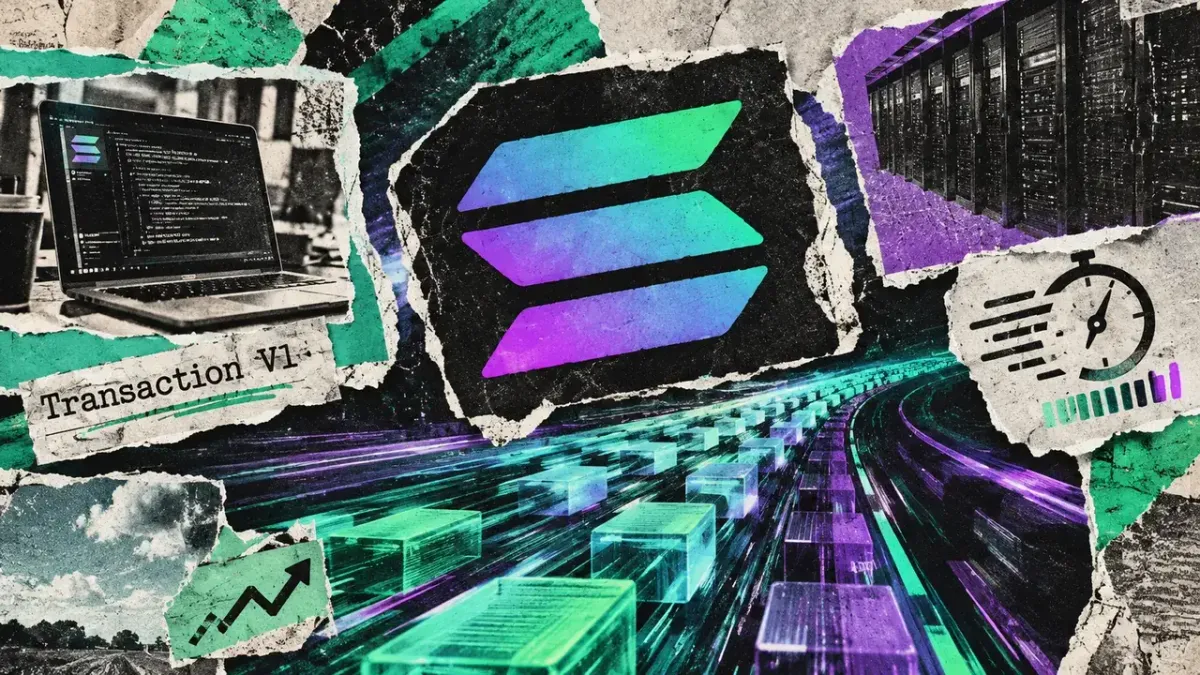
Solana boosts transaction size by 3x amid surge in network activity
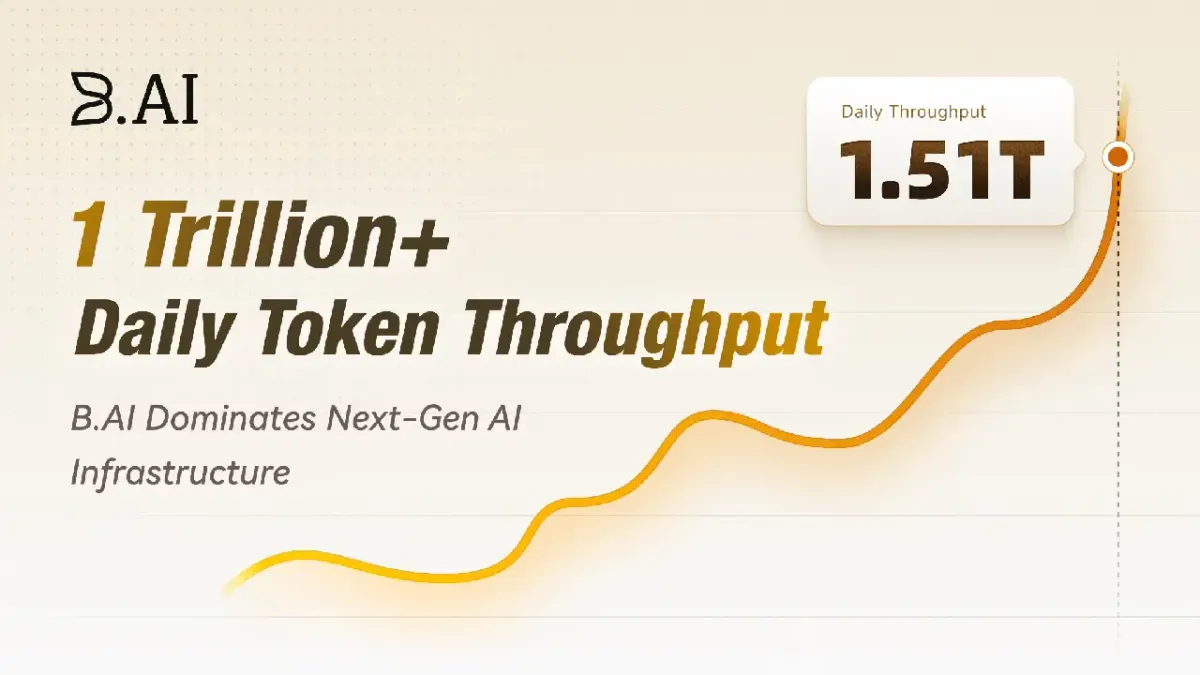
B.AI achieves record 1.51 trillion tokens daily throughput for AI infrastructure