These bitcoin metrics suggest February’s $60,000 selloff may have marked the bottom
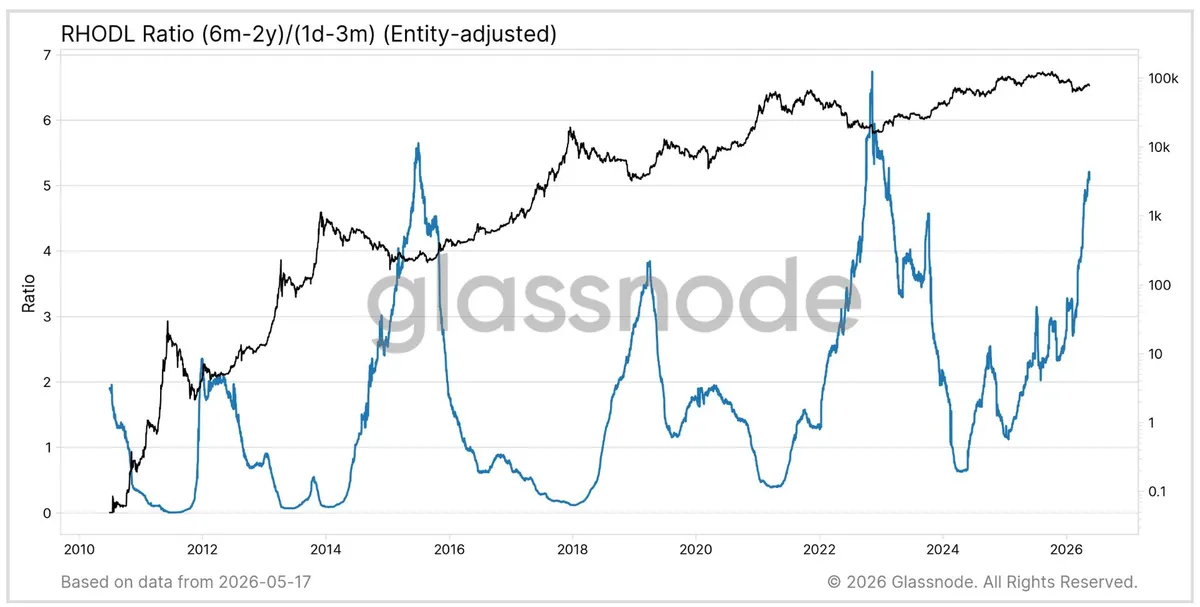
Recent analyses suggest that the significant selloff of Bitcoin in February, which saw prices drop to around $60,000, might have marked a pivotal bottom for the cryptocurrency. Metrics such as the stabilization of Bitcoin's realized market capitalization, coupled with historically high RHODL (Realized HODL) ratios, indicate that investors could be positioning themselves for a potential upward trend. Additionally, the current state of funding rates–which have turned deeply negative–further supports the notion that market sentiment is shifting and that we may be witnessing the early signs of a recovery phase.
To understand the implications of these metrics, it's essential to consider the broader context. Bitcoin has experienced considerable volatility over the past year, with prices fluctuating dramatically due to various market forces, regulatory developments, and macroeconomic conditions. The selloff in February was particularly notable, as it followed a period of rapid gains, leading many to speculate about the sustainability of the rally. Historical data shows that significant price corrections often precede new bullish trends, making the analysis of current market indicators crucial for traders and investors.
The potential for a cycle low forming is significant for the market as it could influence trading strategies and investment decisions moving forward. If Bitcoin has indeed found a bottom, it could attract new capital and re-engage institutional investors who may have been hesitant during the downturn. Such a shift in market dynamics could lead to increased buying pressure, potentially driving prices higher and fostering a more bullish environment in the crypto space. As Bitcoin continues to dominate discussions in the financial world, these developments warrant close attention.
Industry experts have weighed in on these findings, with many expressing cautious optimism. Analysts point out that while historical patterns suggest that a market bottom might be forming, uncertainties still loom, particularly concerning regulatory actions and macroeconomic factors that could impact investor sentiment. The deeply negative funding rates are seen as a contrarian indicator, suggesting that many traders are overly pessimistic. However, some caution that such metrics alone are not foolproof and should be considered alongside broader market trends.
Looking ahead, the next steps for Bitcoin will likely revolve around monitoring these key metrics as well as external factors that could influence market sentiment. Should the positive indicators continue to hold, we may see increased momentum that could lead to higher prices in the coming months. Conversely, any signs of renewed bearish sentiment could complicate the outlook. As always, staying informed and vigilant will be essential for all market participants as they navigate the complexities of the ever-evolving crypto landscape.

CoinMagnetic Team
Crypto investors since 2017. We trade with our own money and test every exchange ourselves.
Updated: May 2026
From our insights:
Related news
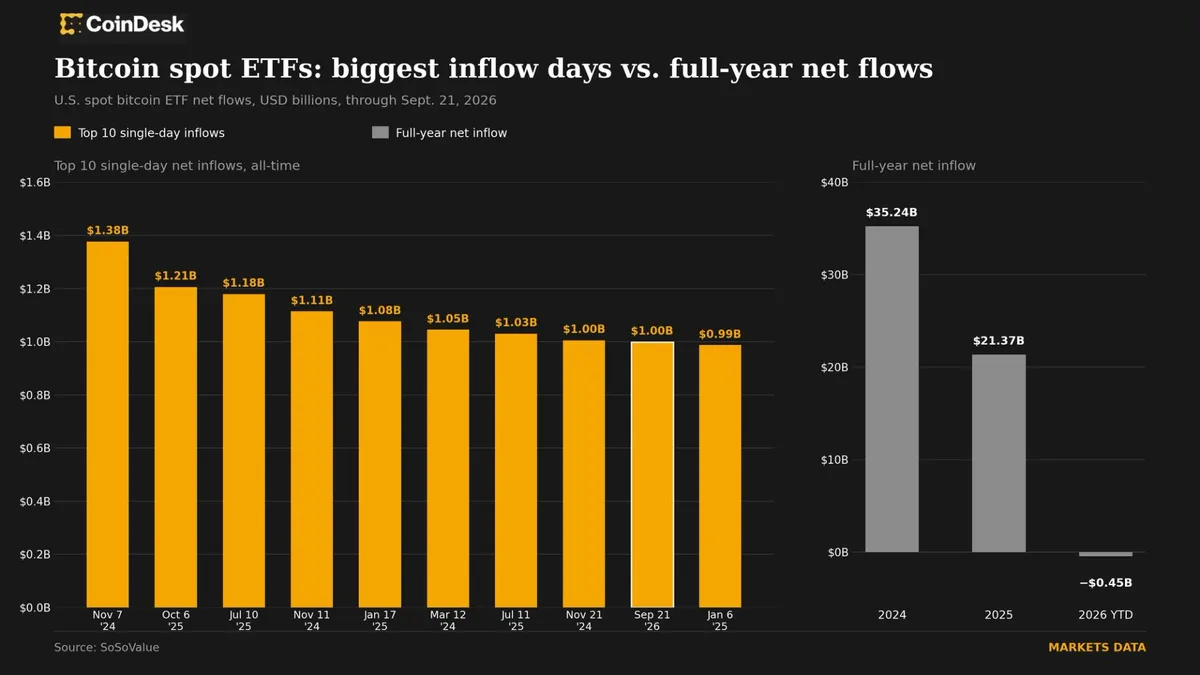
Spot bitcoin ETFs see nearly $1 billion inflow as bitcoin hits January highs

US spot Bitcoin ETFs see nearly $1 billion inflow, highest since October 2025

Bitcoin's rise to $86,000 restores profitability for ETF investors

Apple and Google seek crypto experts, signaling potential stablecoin initiatives

ECB initiates bond purchases using its own funds in crypto-linked system