There's one simple way to tell whether bitcoin has really bottomed. Right now, it hasn't.

Recent analysis has focused on Bitcoin's weekly Relative Strength Index (RSI) as a pivotal tool for assessing market trends. The RSI is a momentum oscillator that measures the speed and change of price movements, and it has consistently demonstrated its effectiveness in distinguishing between bull and bear market phases over various cycles. Currently, Bitcoin's RSI has not surpassed a crucial threshold, suggesting that the cryptocurrency has not yet confirmed a market bottom. This insight raises concerns for traders and investors who are closely monitoring the cryptocurrency's performance.
To understand the significance of the RSI, it's important to consider its historical context. In previous Bitcoin market cycles, the RSI has acted as a reliable indicator of trend reversals. When the RSI crosses above the critical level, it has often signaled the start of a bull market, while failing to breach that line has indicated a continuation of bearish sentiment. Given the volatile nature of cryptocurrency markets, traders have increasingly relied on technical indicators like the RSI to inform their investment strategies, especially during uncertain periods.
The implications of the current RSI reading are profound for market participants. A failure to break through the critical level could suggest that Bitcoin is still entrenched in a bear market, which may deter new investments and lead to further price declines. Conversely, if Bitcoin does manage to reclaim this level, it could signal renewed investor confidence and potentially ignite a bullish rally. As such, many market observers are keenly watching this indicator for signs of a potential trend reversal, which could significantly influence trading behavior in the days and weeks to come.
Industry experts have expressed varying opinions on the significance of the RSI in the current market environment. Some analysts argue that the RSI is an essential tool for gauging market sentiment, while others caution against relying too heavily on a single indicator. They highlight the importance of considering broader market conditions, including macroeconomic factors and regulatory developments, which can also impact Bitcoin's price. This divergence in opinions underscores the complexity of market analysis and the need for a holistic approach when evaluating potential market movements.
Looking ahead, the trajectory of Bitcoin's price will likely depend on multiple factors, including the performance of the RSI and overarching market dynamics. As traders remain vigilant, the next few weeks will be crucial in determining whether Bitcoin can break through that critical RSI level. If it does, we may witness a shift in market sentiment and a possible transition to a bullish phase. Conversely, continued struggles with this indicator could reinforce bearish trends, prompting investors to rethink their strategies in this ever-evolving landscape.

CoinMagnetic Team
Crypto investors since 2017. We trade with our own money and test every exchange ourselves.
Updated: June 2026
From our insights:
Related news

Bitcoin surges past $86,000 as $1 billion in shorts are liquidated, eyes on $90,000
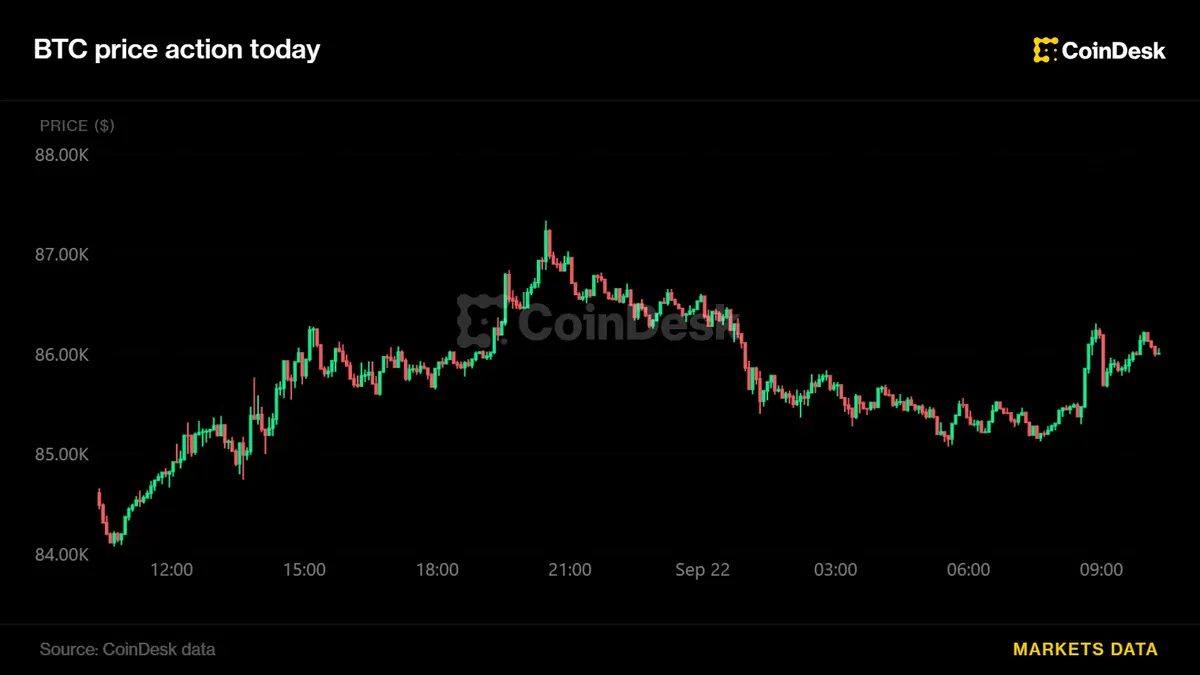
Bitcoin bounces back to $86,000 as oil prices decline and stocks rise

Prediction markets projected to reach $10 trillion by 2035, surpassing sports
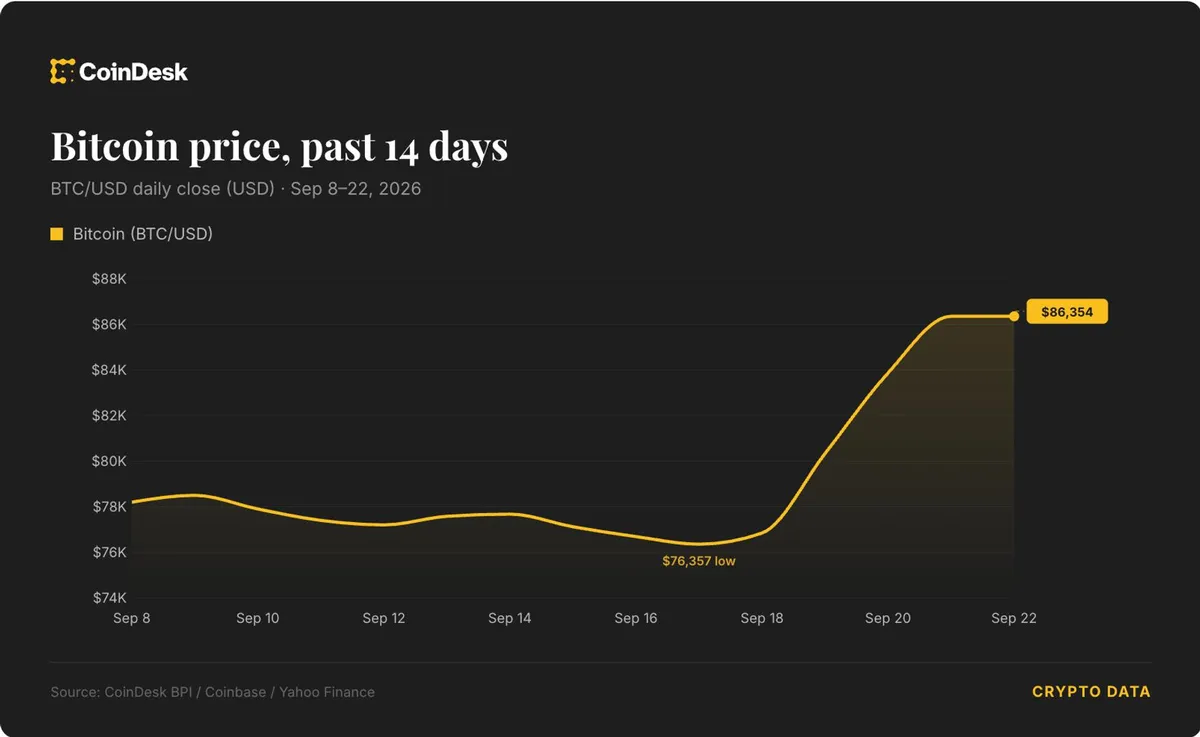
Iran hints at reopening Strait of Hormuz, WTI oil drops to $89

New altseason signal emerges as Bitcoin market cap stays under 60%