Avalanche Treasury CEO anticipates 24/5 trading shift by 2027, urging blockchain upgrades

In a recent statement, Avalanche Treasury CEO expressed concerns regarding the current limitations of Layer 1 (L1) blockchain capacities, particularly in the context of anticipated shifts in traditional financial markets. According to Smith, the move toward a 24/5 trading environment, likely to be realized by mid-2027, will necessitate enhanced blockchain infrastructure capable of accommodating increased demand. With the rise of artificial intelligence (AI) agents, the need for a more robust and scalable solution to manage transactions and data is becoming increasingly urgent.
The background of this discussion stems from an evolving financial landscape that is increasingly integrating digital technologies. As traditional financial markets explore the potential for extended trading hours, there is a growing recognition of the limitations that current blockchain systems face. Smith's comments reflect a broader industry concern about existing L1 blockspace and the need for innovative solutions to support an evolving trading ecosystem.
This shift matters significantly for the market as it suggests that the adoption of blockchain technology could accelerate, particularly if financial institutions begin to rely more heavily on these systems for their trading operations. The transition to 24/5 trading could drive a surge in transaction volumes, thereby putting additional pressure on existing blockchain networks. Failure to adapt could result in bottlenecks, inefficiencies, and increased costs for users and institutions alike.
Reactions from industry experts have been mixed, with some agreeing with Smith's perspective on the necessity of enhancing blockchain capacities. Others, however, are more optimistic about the current capabilities of L1 solutions, suggesting that ongoing developments in technology may suffice to meet future demands. Nevertheless, many acknowledge that the rise of AI agents will indeed require a reassessment of how blockchain infrastructure is designed and implemented.
Looking ahead, the next few years will be crucial for the blockchain industry as it prepares for the anticipated shift in trading practices. Companies and developers will need to prioritize scalability and efficiency in their blockchain designs, ensuring that the infrastructure can support the increasing demands of a 24/5 market. This evolution will likely involve collaborative efforts between traditional financial institutions and blockchain developers to create a symbiotic relationship that benefits both sectors.

CoinMagnetic Team
Crypto investors since 2017. We trade with our own money and test every exchange ourselves.
Updated: September 2026
From our insights:
Related news

FCA intensifies scrutiny, eyes three more London sites for unregistered P2P trading
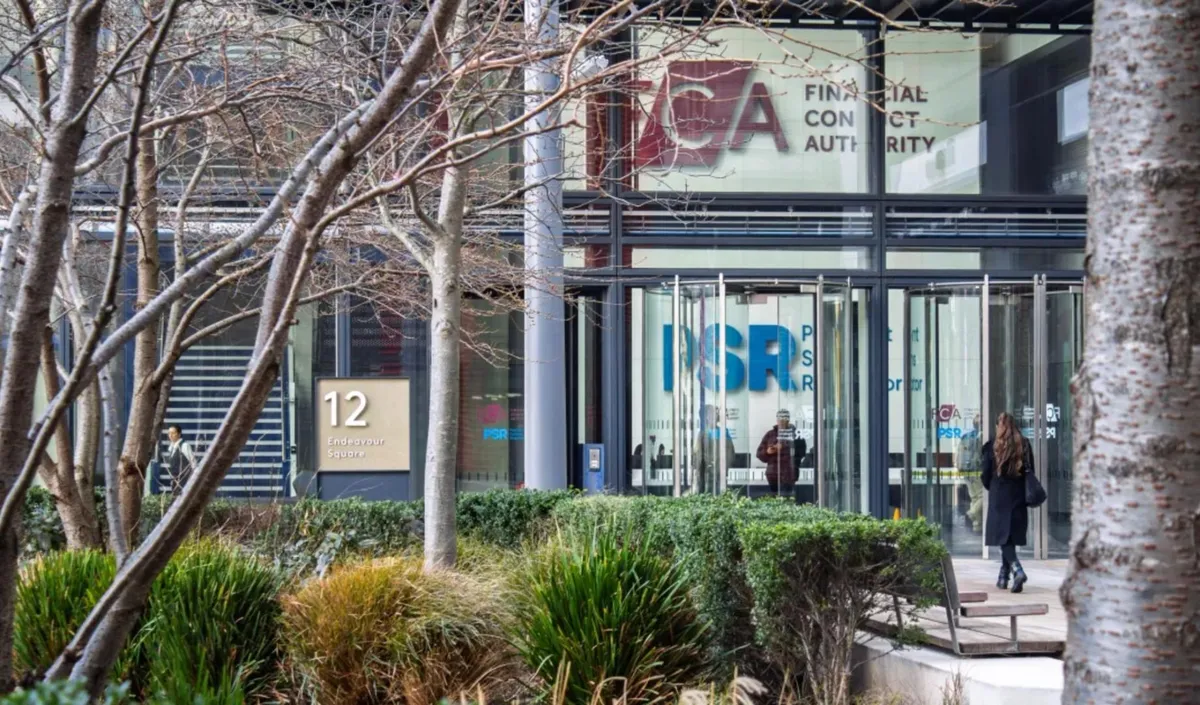
UK enforcement actions mark a shift from 'light-touch' stance on crypto regulation

World launches ‘World Money’ super app with stablecoins, Stripe integration and boosted rewards

Crypto for Advisors: Beyond bitcoin and ether

Bitcoin treasury firms may yield better returns than BTC, but risks persist