The world's entire economy will be tokenized, says Consensys’ Joseph Lubin

In a recent statement, Joseph Lubin, the CEO and founder of Consensys, expressed a bold vision for the future of the global economy–one that revolves around the tokenization of assets. Lubin, who played a crucial role in the development of Ethereum, believes that the concept of tokenization is not just a trend but rather a fundamental shift that can be traced back to the very beginnings of Ethereum. He posits that as blockchain technology continues to mature, it will enable the creation of digital representations for a myriad of assets, ranging from real estate to securities, thereby bringing an unprecedented level of efficiency and accessibility to financial markets.
To understand the significance of Lubin's assertion, it's essential to delve into the history of tokenization and its roots in blockchain technology. Tokenization involves converting physical or intangible assets into digital tokens that can be easily traded on a blockchain. This process enhances liquidity, simplifies transactions, and opens up opportunities for fractional ownership. Since the inception of Ethereum in 2015, the potential for tokenization has grown exponentially, with numerous projects exploring its applications across various sectors. Lubin's perspective reflects a long-standing belief in Ethereum's utility and its capacity to revolutionize traditional finance.
The implications of a fully tokenized economy are profound for the cryptocurrency market and beyond. If Lubin's vision materializes, we could witness a significant shift in how assets are owned, traded, and valued. This could lead to increased participation from retail investors, as tokenization lowers the barriers to entry for investment in high-value assets. Furthermore, the interoperability of tokens could facilitate cross-border transactions and enhance global trade, ultimately driving more liquidity into the market. As more investors recognize the advantages of tokenized assets, we may see a surge in demand for cryptocurrencies and blockchain solutions that support this transition.
Industry reactions to Lubin's statements have been varied, with many experts acknowledging the potential of tokenization while also raising concerns about regulatory challenges and technological limitations. Some analysts argue that while the trajectory toward a tokenized economy is clear, the pace of adoption will largely depend on how quickly regulations adapt and evolve to accommodate this new landscape. Additionally, experts highlight the need for robust infrastructure to support the secure and efficient trading of tokenized assets, emphasizing that successful implementation will require collaboration across sectors.
Looking ahead, the journey towards a fully tokenized economy will likely be marked by both opportunities and obstacles. As more companies explore the integration of tokenization into their business models, we can expect ongoing discussions about best practices, regulatory frameworks, and technological innovations. The evolution of this space will undoubtedly shape the future of finance and investment, making it essential for stakeholders to stay informed and engaged in the developments that lie ahead.

CoinMagnetic Team
Crypto investors since 2017. We trade with our own money and test every exchange ourselves.
Updated: May 2026
From our insights:
Related news

SoFi begins stablecoin settlement on Mastercard network for program expected to exceed $25 billion in annualized volume

A $3.2 million 'bitcoin butterfly' option trade bets on $95,000 by the end of October

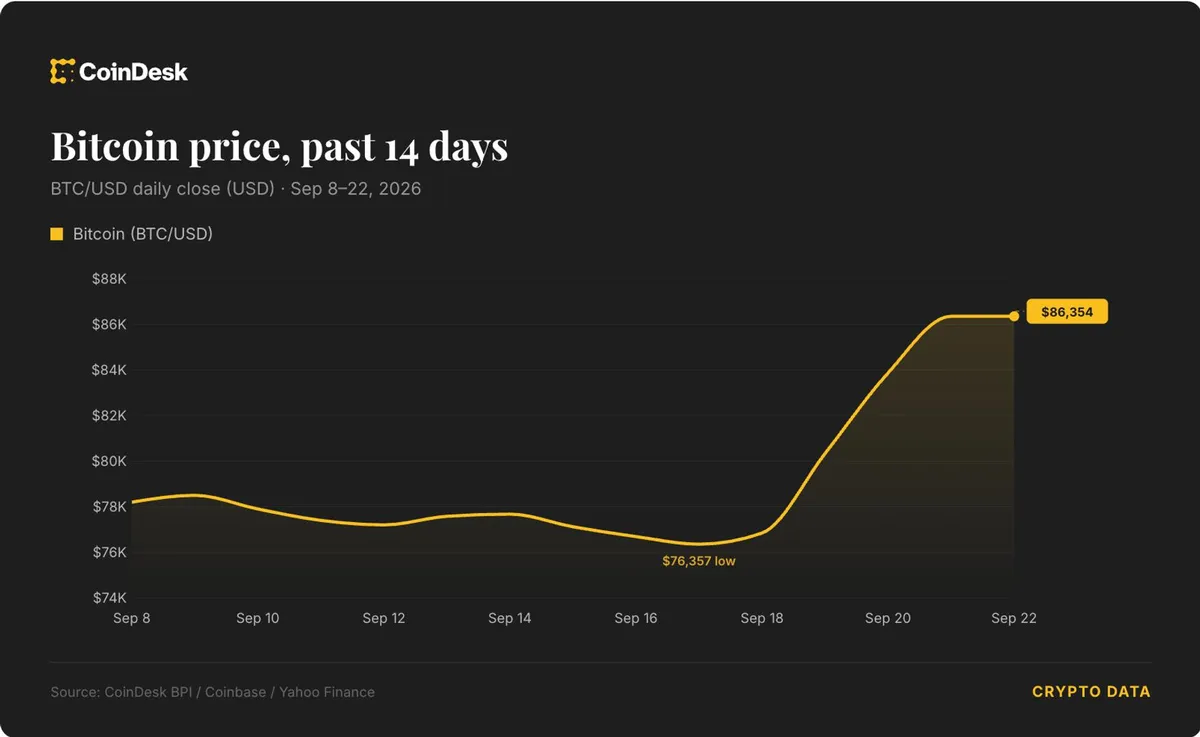
Bitcoin surges past $86,000 as $1 billion in shorts are liquidated, eyes on $90,000
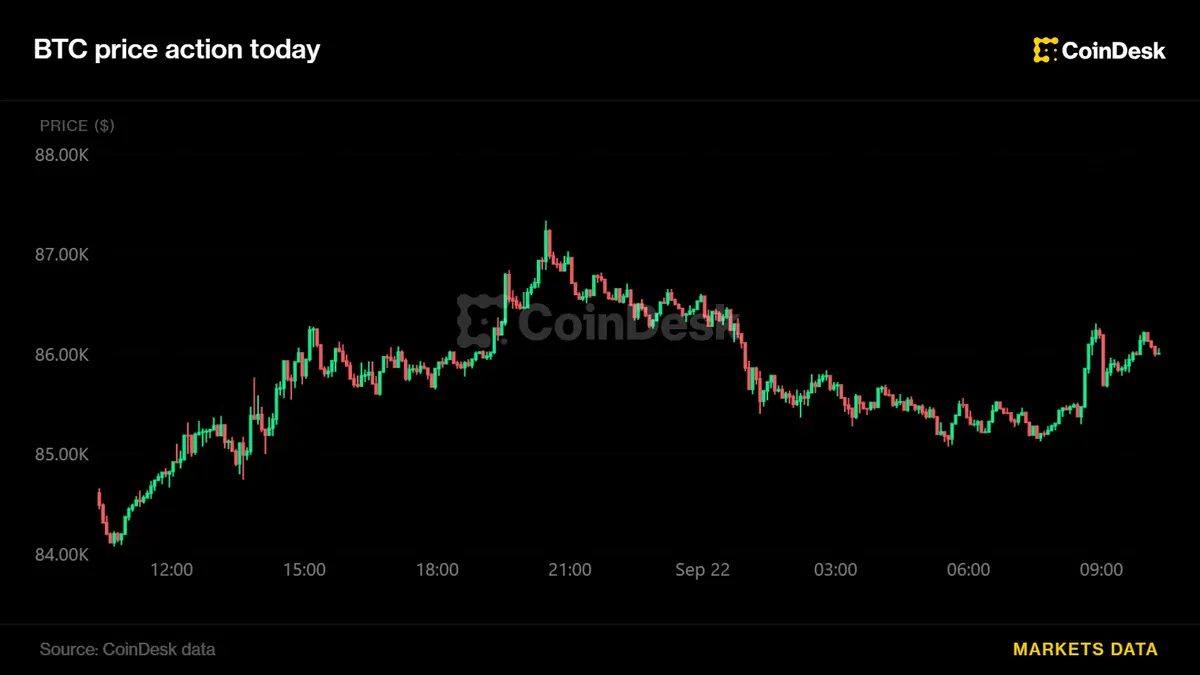
Bitcoin bounces back to $86,000 as oil prices decline and stocks rise

Prediction markets projected to reach $10 trillion by 2035, surpassing sports