The US just blacklisted the Iranian maritime scheme forcing commercial ships to pay Bitcoin tolls for safe passage
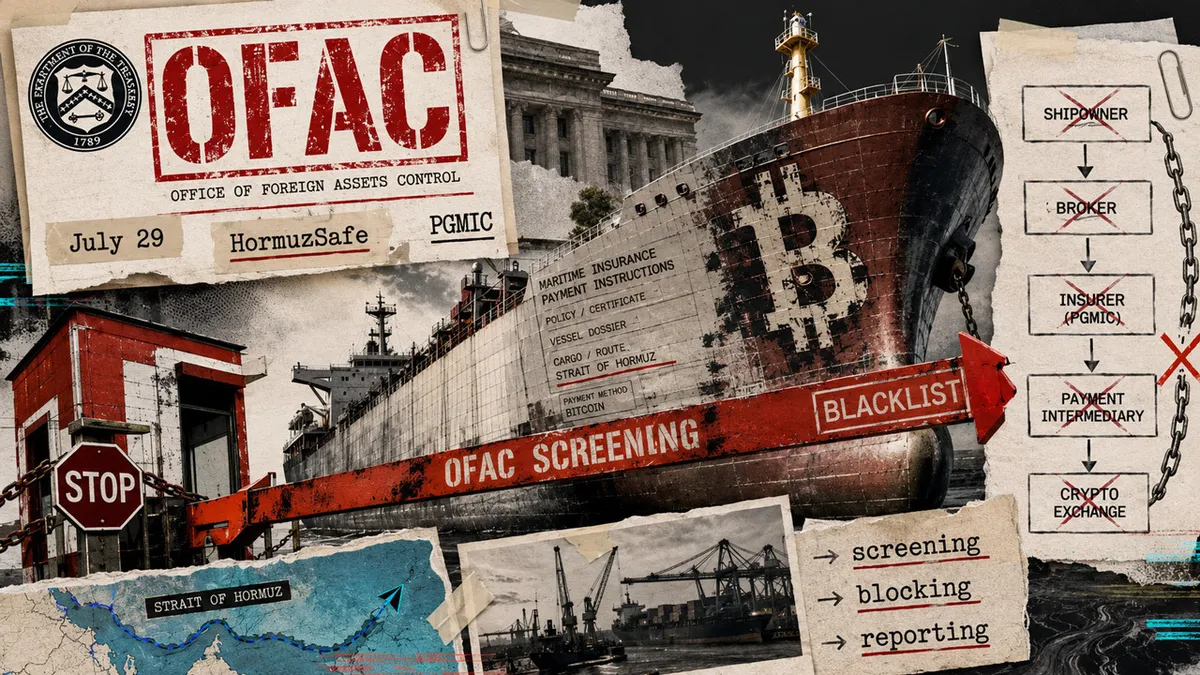
The U.S. Department of the Treasury has recently taken decisive action against a maritime scheme linked to Iran that mandates commercial ships to pay tolls in Bitcoin for safe passage through certain waters. This move is part of broader sanctions aimed at curbing Iran's influence and activities in global shipping. U.S. persons are required to block any covered property and report their actions within 10 business days. The implications of this decision extend beyond just the immediate economic impact, as it signifies a notable shift in how cryptocurrencies are perceived and regulated in relation to international maritime commerce.
To understand the significance of this development, it is essential to look at the background of Iran's maritime operations and their use of cryptocurrencies. Over recent years, Iran has increasingly turned to digital currencies as a means to circumvent sanctions that have been imposed on its economy. These sanctions, aimed at Iran’s nuclear program and other activities, have restricted its ability to engage in traditional banking and trade. By implementing a Bitcoin toll scheme for maritime passage, Iran was attempting to create an alternative financial channel that would allow it to maintain trade routes despite international restrictions.
The implications of the U.S. blacklisting this maritime scheme are substantial for the broader cryptocurrency market. It highlights the increasing intersection of digital assets and geopolitical strategies, as governments begin to recognize the potential of cryptocurrencies to facilitate illicit activities or evade sanctions. This could lead to heightened scrutiny of cryptocurrency transactions by regulators worldwide, potentially resulting in stricter compliance requirements for exchanges and businesses operating in the crypto space. Investors and market participants may need to brace for volatility as such regulatory measures could influence trading behaviors and overall market sentiment.
Industry experts have reacted with a mix of concern and caution regarding the U.S. government's latest actions. Some analysts view this move as a necessary step to uphold international law and maintain the integrity of the global financial system, while others worry about the potential chilling effect it may have on legitimate cryptocurrency use. The fear is that increased regulatory oversight could stifle innovation in the blockchain sector, which has been rapidly evolving and attracting significant investment. The reactions underscore the delicate balance that regulators must strike between enforcing laws and fostering an environment conducive to technological growth.
Looking ahead, it remains to be seen how Iran will respond to this latest round of sanctions and whether it will pivot further towards alternative cryptocurrencies or decentralized finance solutions. The U.S. government’s actions may also prompt other nations to reassess their own regulatory stances on cryptocurrencies, particularly in the context of international trade and sanctions compliance. As the situation unfolds, stakeholders in both the maritime and cryptocurrency sectors will need to stay vigilant, adapting to a rapidly changing landscape shaped by regulatory developments and geopolitical tensions.

CoinMagnetic Team
Crypto investors since 2017. We trade with our own money and test every exchange ourselves.
Updated: August 2026
From our insights:
Related news

Meta's new smart glasses could eliminate privacy concerns with no camera
Fed Chair credits Trump but dismisses rate-cut wishes after hike
Fed Hikes Rates for the First Time Since 2023, Bitcoin Spikes
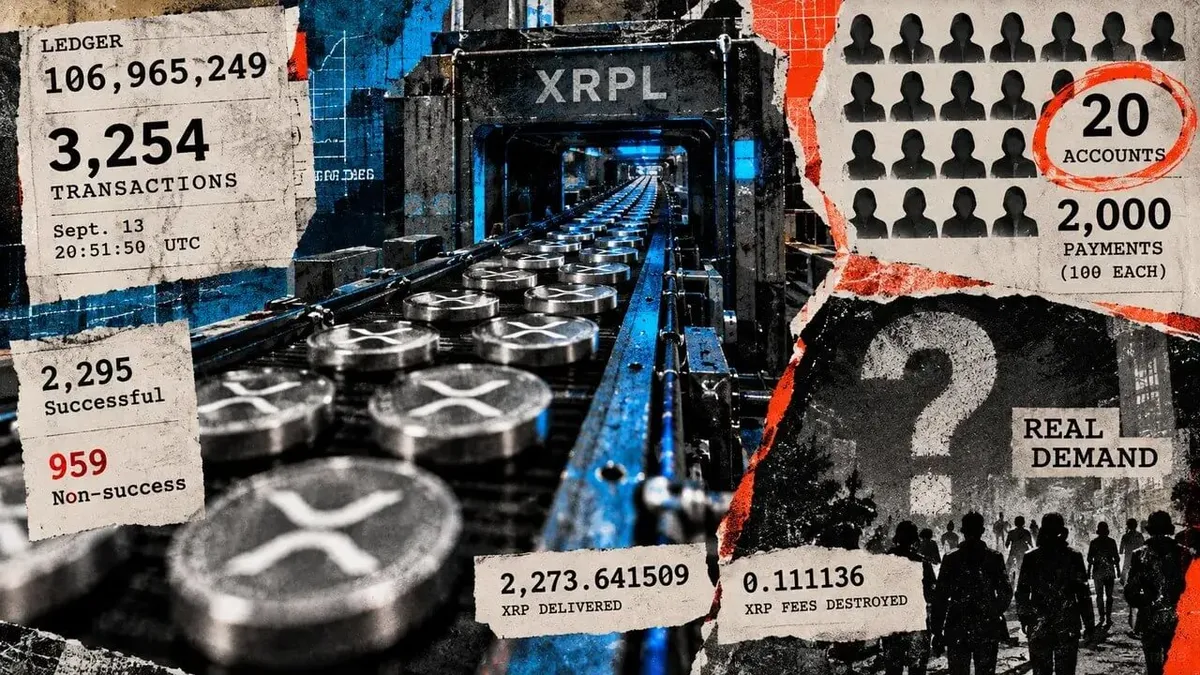
XRPL processes over 3,000 transactions, but all were synthetic

Bitcoin stabilizes near $68K ahead of Fed rate decision with 93% hike odds