The US debt machine is getting harder to stabilize – So where does Bitcoin fit in?

The recent turmoil in the US Treasury market has raised significant concerns about the stability of the global financial system. Traditionally viewed as a bastion of safety, the Treasury market has faced challenges stemming from escalating government debt levels and liquidity issues. As these factors create uncertainty, investors are left wondering how this evolving landscape will impact their portfolios, particularly with the growing interest in alternative assets like Bitcoin. The interplay between traditional finance and cryptocurrencies is becoming increasingly relevant as the macroeconomic environment shifts.
Historically, the US Treasury market has been considered the bedrock of financial stability, influencing everything from mortgage rates to corporate lending. However, over the past few years, a confluence of rising debt, monetary policy shifts, and inflationary pressures has led to a series of liquidity crises. These have prompted investors to reconsider their strategies, as once-reliable indicators of economic health now seem vulnerable. With the potential for further destabilization, the role of alternative assets, notably Bitcoin, is coming into sharper focus.
This situation is significant for the cryptocurrency market as it highlights the potential for Bitcoin to emerge as a hedge against traditional financial instabilities. As investors seek refuge from the volatility inherent in the Treasury market, Bitcoin's decentralized nature and deflationary supply could attract those looking for a safer store of value. The current environment may catalyze a shift in perception towards cryptocurrencies, encouraging a broader adoption as an alternative to fiat currencies and government-backed securities.
Industry experts are weighing in on the implications of this evolving situation. Some view Bitcoin as a viable alternative for those concerned about the long-term sustainability of the US debt machine. Others caution that increased integration of cryptocurrencies into traditional finance could lead to regulatory scrutiny and potential headwinds for the market. This duality of perspectives highlights the complex dynamics at play and the need for investors to navigate their positions carefully amidst an uncertain backdrop.
Looking ahead, the path for Bitcoin and other cryptocurrencies will likely depend on how the US government addresses its debt challenges and whether liquidity issues persist. If the current trends continue, we may witness an acceleration of institutional interest in Bitcoin, prompting more strategic allocations among traditional investors. As the financial landscape evolves, it will be crucial for stakeholders to remain vigilant and adaptable in the pursuit of stability and growth.

CoinMagnetic Team
Crypto investors since 2017. We trade with our own money and test every exchange ourselves.
Updated: May 2026
From our insights:
Related news
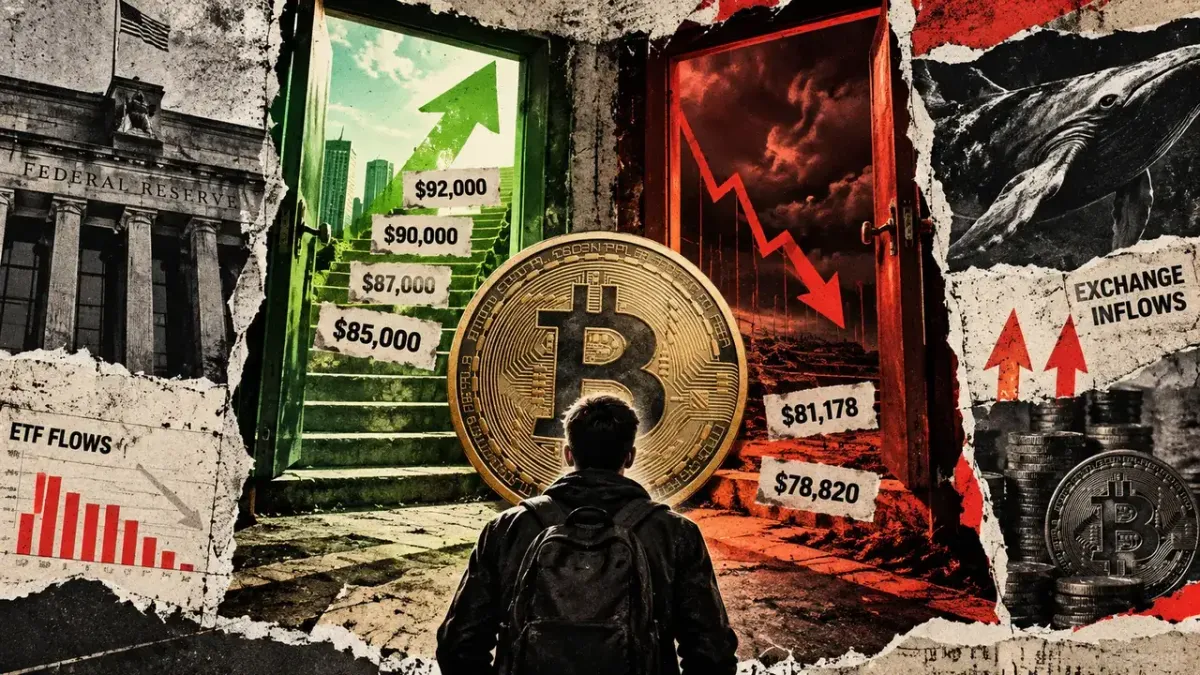
Bitcoin's weekly close above $81,000 signals potential rise to $90,000

Elon Musk's X integrates bitcoin trading options for U.S. users
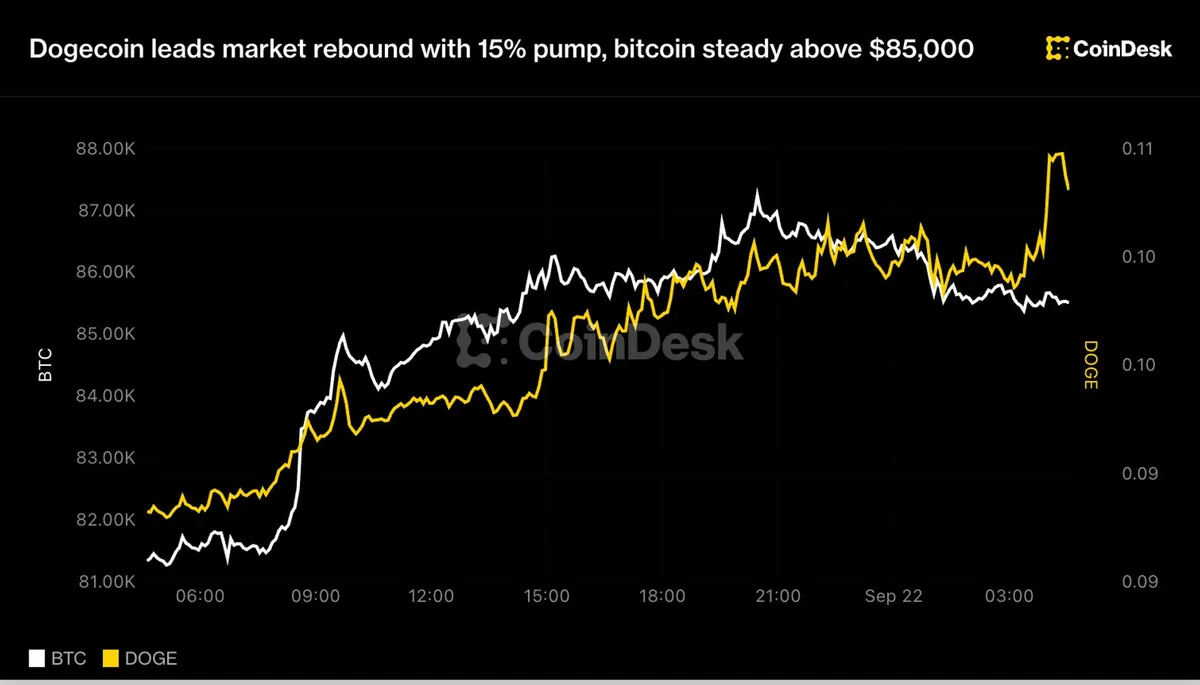
Dogecoin's 15% surge drives market recovery as bitcoin stabilizes above $85,000

Cardano adds tools for AI agent payments, joining Solana and XRP Ledger

Trueo prediction market moves from Base to Ethereum