The US Bitcoin ATM industry is breaking under fraud, bans, and fees
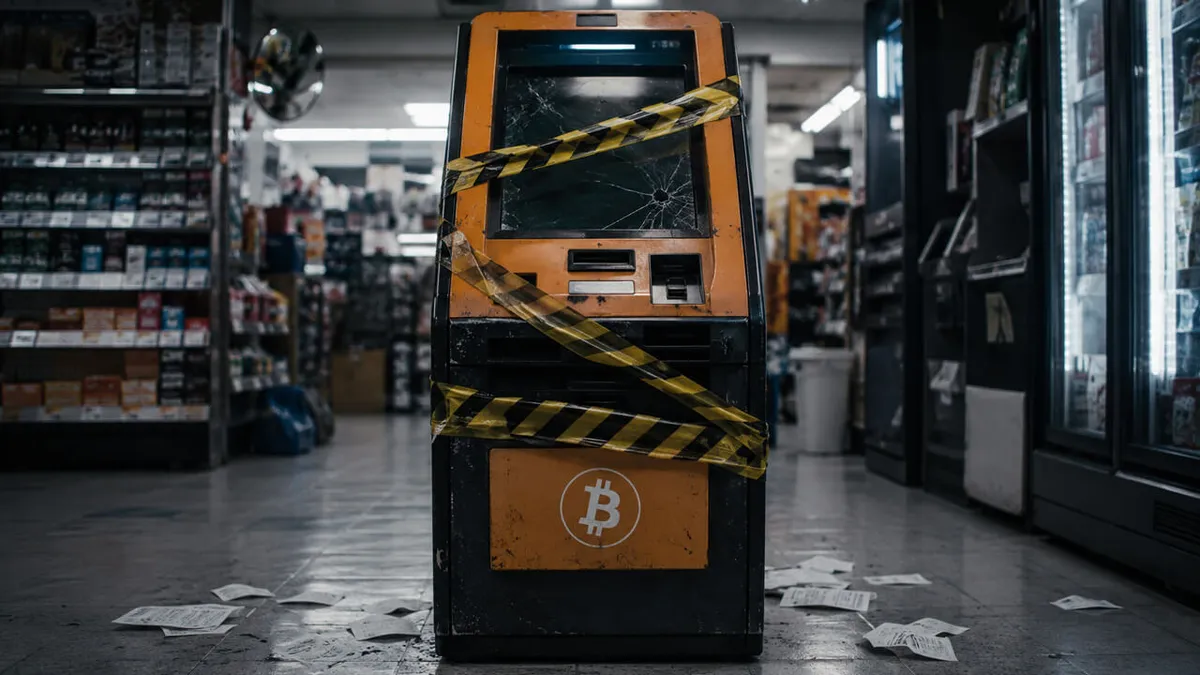
The recent filing for Chapter 11 protection by Bitcoin Depot, one of the largest Bitcoin ATM operators in the U.S., highlights the mounting challenges facing the Bitcoin ATM industry. On May 18, the company announced plans to wind down operations and sell its assets, effectively taking its extensive network of over 9,000 kiosks offline. This move comes in light of growing concerns about fraud, regulatory scrutiny, and increasing operational costs associated with running Bitcoin ATMs. The situation has raised alarms not only for investors but also for consumers who rely on these machines for cryptocurrency transactions.
The backdrop to this development involves a confluence of factors that have plagued the Bitcoin ATM sector. Over recent years, the industry has witnessed a surge in fraudulent activities, leading to significant financial losses for both users and operators. Additionally, regulatory bodies have intensified their oversight, imposing stricter compliance requirements that many operators struggle to meet. Fees associated with these transactions have also escalated, discouraging potential users and further complicating the business model for operators. As a result, many ATMs have become less appealing to the average consumer, contributing to the decline in usage.
This trend matters for the broader market as it signals a potential shift in how consumers interact with cryptocurrencies. The decline of Bitcoin ATMs could result in reduced accessibility for everyday users, impacting the adoption rate of Bitcoin and other cryptocurrencies. If consumers find it harder to transact with crypto, it could lead to decreased demand, affecting prices and overall market sentiment. Furthermore, the challenges faced by Bitcoin Depot may prompt other operators to reevaluate their business strategies, potentially leading to further consolidation in the industry.
Industry experts have weighed in on the implications of Bitcoin Depot's situation. Many believe that the struggles of Bitcoin ATMs are symptomatic of larger issues within the cryptocurrency ecosystem, including the need for more robust security measures and clearer regulatory frameworks. Some analysts suggest that while the current environment poses significant challenges, it may also pave the way for innovation, as companies look to adapt to evolving consumer needs and regulatory landscapes. There is also a growing call for the development of better technologies to enhance transaction security and streamline the user experience.
Looking ahead, the future of Bitcoin ATMs remains uncertain. As operators like Bitcoin Depot wind down, the industry may witness a shift towards more sustainable business models or the emergence of new players better equipped to navigate the current landscape. It will be crucial for remaining operators to address the existing concerns regarding fraud and fees while enhancing user trust. The next few months will likely be pivotal in determining whether Bitcoin ATMs can recover and thrive or if they will continue to decline in the face of these formidable challenges.

CoinMagnetic Team
Crypto investors since 2017. We trade with our own money and test every exchange ourselves.
Updated: May 2026
From our insights:
Related news

Crypto sector emerges as top donor with $206 million in midterms backing

Stand With Crypto’s 4 million registered advocates couldn’t get the CLARITY Act through the Senate

Kakao Pay, KakaoBank to explore stablecoin opportunities with Fireblocks

US Attorney's investigation into Binance focuses on Iran sanctions compliance

ECB initiates wholesale digital euro for banks and tokenized bond purchases